Vitex L.

TSO logo

Sponsor this page

For information about how you could sponsor this page, see How You Can Help

Credits

Article from Bean's Trees and Shrubs Hardy in the British Isles

Recommended citation
'Vitex' from the website Trees and Shrubs Online (treesandshrubsonline.org/articles/vitex/). Accessed 2026-01-16.

Family

  • Lamiaceae

Glossary

axillary
Situated in an axil.
digitate
Hand-like; palmate.

Credits

Article from Bean's Trees and Shrubs Hardy in the British Isles

Recommended citation
'Vitex' from the website Trees and Shrubs Online (treesandshrubsonline.org/articles/vitex/). Accessed 2026-01-16.

Editorial Note

The text below is adapted from Bean (1981) to reflect newer understandings of the taxonomy. A fuller, revised treatment of the genus will be provided when funding is available. If you would like to sponsor the work please write to editor@treesandshrubsonline.org

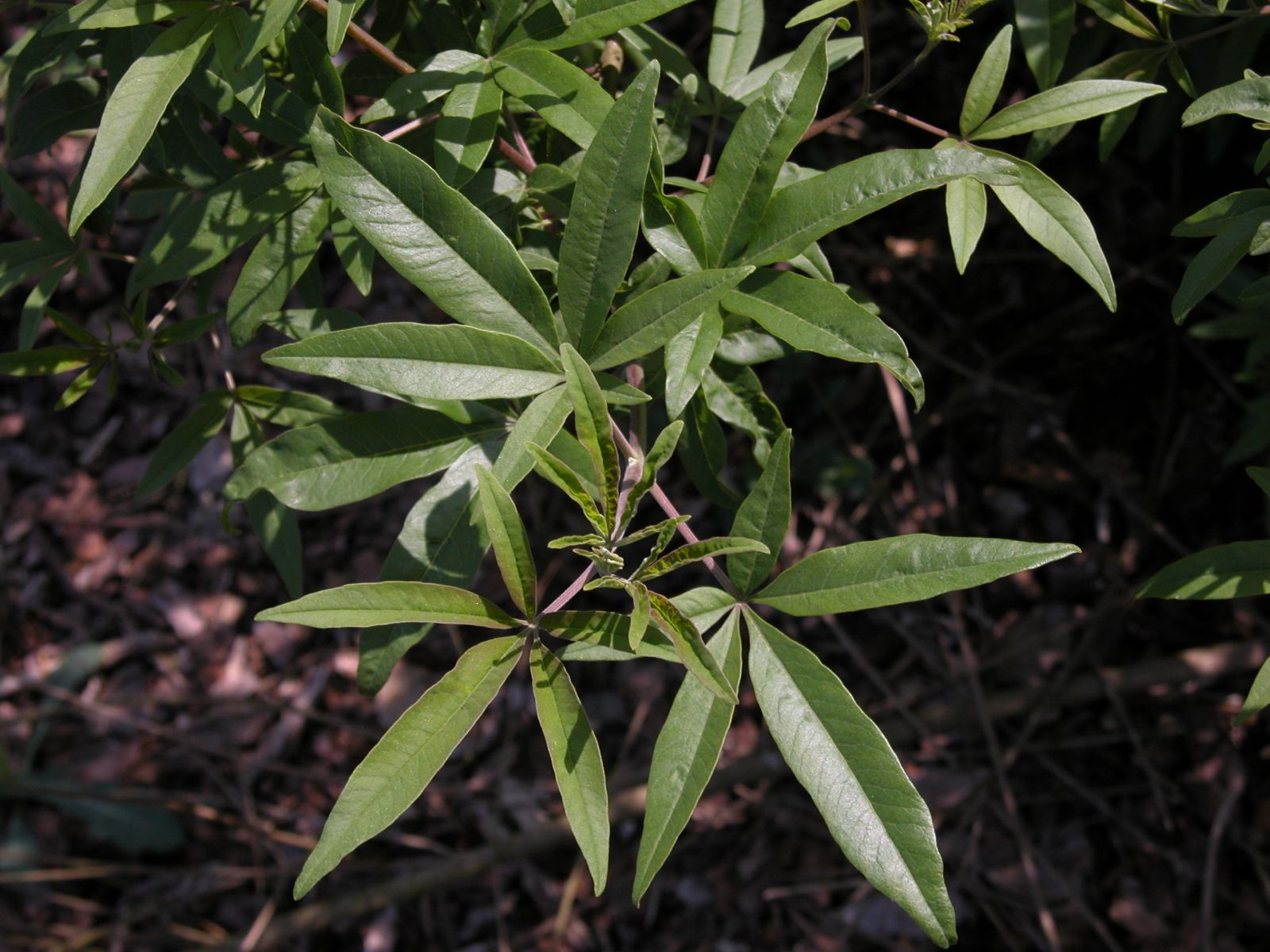
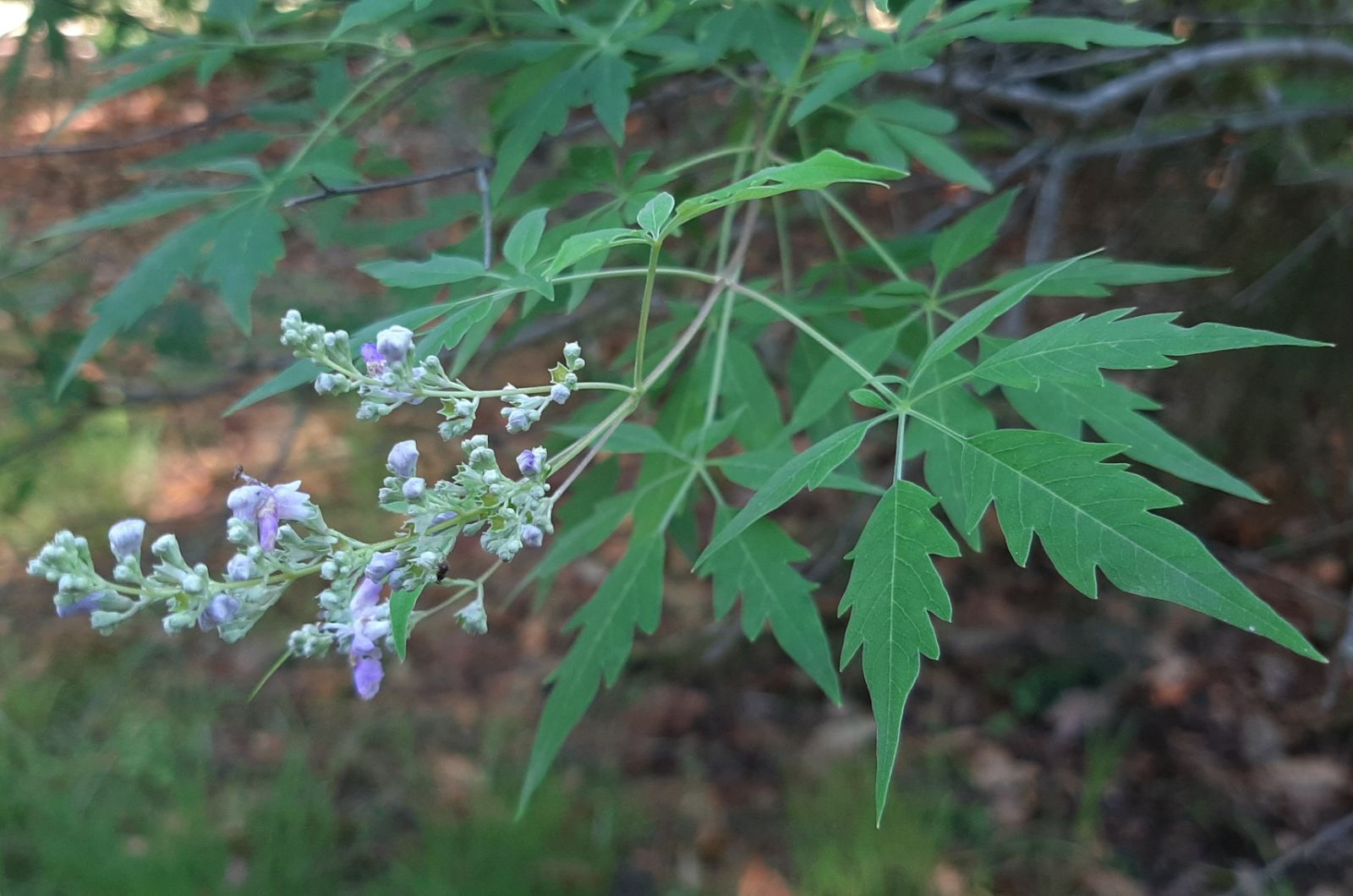
The two species described here are almost hardy representatives of a mainly tropical and subtropical genus, which contains tall timber trees such as V. altissima of southern India and V. lignum-vitae of southeast Australia. Leaves deciduous or persistent, palmately compound, usually opposite. Flowers stalked, in cymose clusters, which are often arranged in the form of panicles. Calyx campanulate. Corolla tubular or funnel-shaped, with a five-lobed limb. Stamens four. Fruit a drupe, with a four-celled stone.

A genus of around 200 mainly tropical Old and New World species (POWO 19/5/2025), with digitate leaves and terminal or axillary inflorescences (Bramley, Forest & de Kok 2009). Formerly placed in Verbenaceae (partly on account of its fleshy fruits), but moved to Lamiaceae, together with most of the rest of subfam. Viticoideae (Cantino, Harley & Wagstaff 1992).

The two species treated here are propagated by cuttings of half-ripened wood. Flowering as they do on the wood of the current season they should be pruned in much the same way as the late-flowering buddleias, once a framework of branches has been formed.