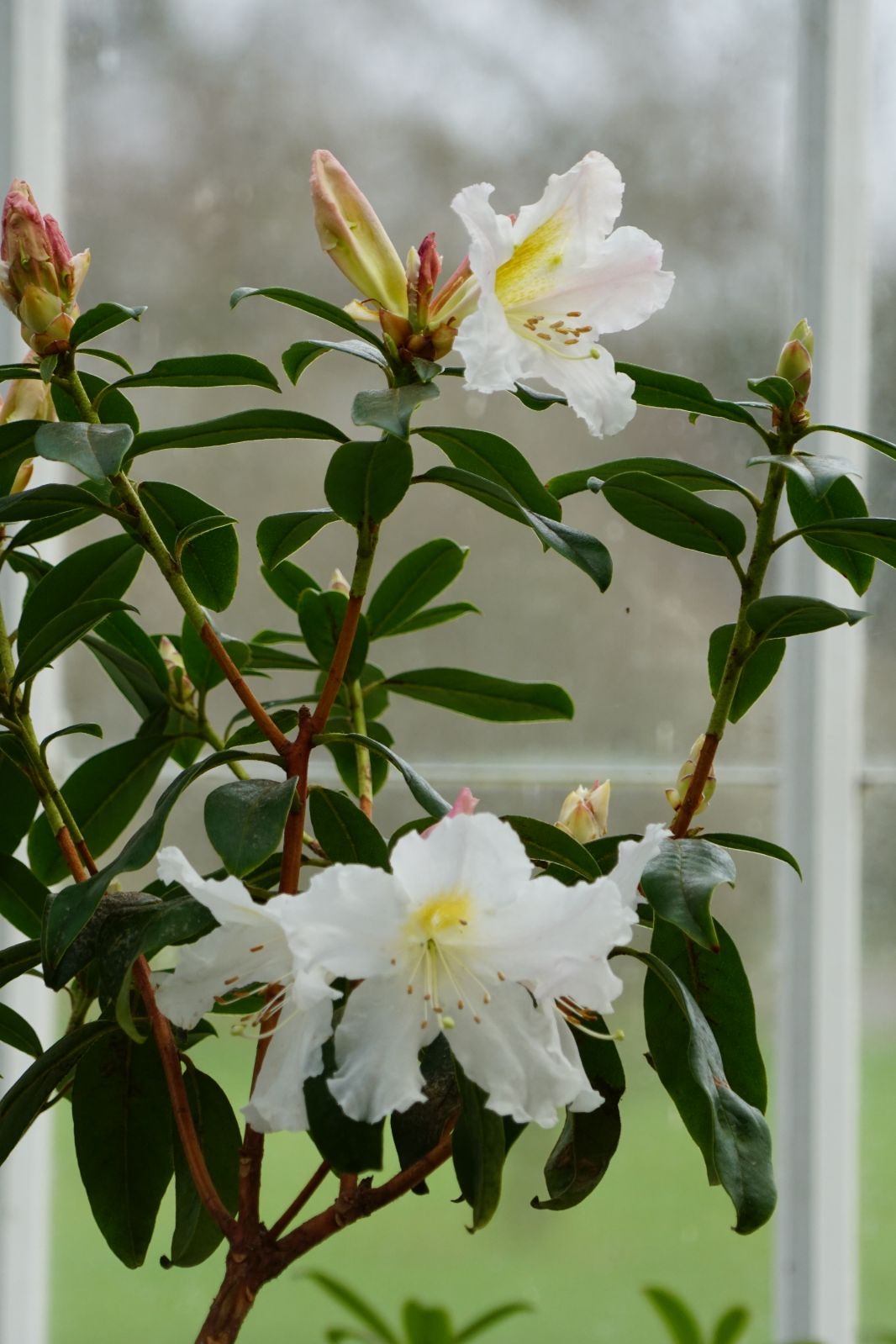
Rhododendron scopulorum

Sponsor
Kindly sponsored by
Peter Norris, enabling the use of The Rhododendron Handbook 1998
Credits
New article for Trees and Shrubs Online.
Recommended citation
'Rhododendron scopulorum' from the website Trees and Shrubs Online (treesandshrubsonline.
Genus
- Rhododendron
- Subsect. Maddenia
Other taxa in genus
- Menziesia multiflora
- Rhododendron aberconwayi
- Rhododendron acuminatum
- Rhododendron adenogynum
- Rhododendron adenopodum
- Rhododendron adenosum
- Rhododendron aequabile
- Rhododendron afghanicum
- Rhododendron aganniphum
- Rhododendron agastum
- Rhododendron × agastum
- Rhododendron alabamense
- Rhododendron albertsenianum
- Rhododendron albiflorum
- Rhododendron albrechtii
- Rhododendron album
- Rhododendron alticolum
- Rhododendron alutaceum
- Rhododendron amagianum
- Rhododendron ambiguum
- Rhododendron amesiae
- Rhododendron anagalliflorum
- Rhododendron annae
- Rhododendron anthopogon
- Rhododendron anthopogonoides
- Rhododendron anthosphaerum
- Rhododendron anwheiense
- Rhododendron aperantum
- Rhododendron araiophyllum
- Rhododendron arborescens
- Rhododendron arboreum
- Rhododendron arfakianum
- Rhododendron argipeplum
- Rhododendron argyrophyllum
- Rhododendron arizelum
- Rhododendron armitii
- Rhododendron atlanticum
- Rhododendron atropurpureum
- Rhododendron atrovirens
- Rhododendron augustinii
- Rhododendron aureum
- Rhododendron auriculatum
- Rhododendron aurigeranum
- Rhododendron auritum
- Rhododendron austrinum
- Rhododendron baenitzianum
- Rhododendron bagobonum
- Rhododendron baileyi
- Rhododendron bainbridgeanum
- Rhododendron balangense
- Rhododendron balfourianum
- Rhododendron barbatum
- Rhododendron basilicum
- Rhododendron batemanii
- Rhododendron bathyphyllum
- Rhododendron beanianum
- Rhododendron beesianum
- Rhododendron beyerinckianum
- Rhododendron bhutanense
- Rhododendron blackii
- Rhododendron boothii
- Rhododendron brachyanthum
- Rhododendron brachycarpum
- Rhododendron bracteatum
- Rhododendron brevistylum
- Rhododendron brookeanum
- Rhododendron bryophilum
- Rhododendron bureavii
- Rhododendron bureavioides
- Rhododendron burmanicum
- Rhododendron burttii
- Rhododendron buxifolium
- Rhododendron caesium
- Rhododendron calendulaceum
- Rhododendron caliginis
- Rhododendron callimorphum
- Rhododendron calophytum
- Rhododendron calostrotum
- Rhododendron caloxanthum
- Rhododendron calvescens
- Rhododendron camelliiflorum
- Rhododendron campanulatum
- Rhododendron campylocarpum
- Rhododendron campylogynum
- Rhododendron camtschaticum
- Rhododendron canadense
- Rhododendron x candelabrum
- Rhododendron canescens
- Rhododendron capitatum
- Rhododendron carneum
- Rhododendron carolinianum
- Rhododendron carrii
- Rhododendron carringtoniae
- Rhododendron catacosmum
- Rhododendron catawbiense
- Rhododendron caucasicum
- Rhododendron cephalanthum
- Rhododendron cerasinum
- Rhododendron chaetomallum
- Rhododendron chamaethomsonii
- Rhododendron championiae
- Rhododendron charitopes
- Rhododendron chionanthum
- Rhododendron chlorops
- Rhododendron christi
- Rhododendron christianae
- Rhododendron chryseum
- Rhododendron chrysodoron
- Rhododendron ciliatum
- Rhododendron ciliicalyx
- Rhododendron cinnabarinum
- Rhododendron citriniflorum
- Rhododendron clementinae
- Rhododendron coelicum
- Rhododendron coeloneuron
- Rhododendron collettianum
- Rhododendron columbianum
- Rhododendron commonae
- Rhododendron complexum
- Rhododendron concinnum
- Rhododendron coriaceum
- Rhododendron coryanum
- Rhododendron cowanianum
- Rhododendron coxianum
- Rhododendron crassifolium
- Rhododendron crassum
- Rhododendron crinigerum
- Rhododendron cruttwellii
- Rhododendron cuffeanum
- Rhododendron culminicolum
- Rhododendron cumberlandense
- Rhododendron cuneatum
- Rhododendron cyanocarpum
- Rhododendron dalhousiae
- Rhododendron dasypetalum
- Rhododendron dauricum
- Rhododendron davidii
- Rhododendron davidsonianum
- Rhododendron decandrum
- Rhododendron × decipiens
- Rhododendron decorum
- Rhododendron degronianum
- Rhododendron dendricola
- Rhododendron dendrocharis
- Rhododendron denudatum
- Rhododendron desquamatum
- Rhododendron detonsum
- Rhododendron dianthosmum
- Rhododendron diaprepes
- Rhododendron dichroanthum
- Rhododendron dielsianum
- Rhododendron dignabile
- Rhododendron dilatatum
- Rhododendron dimitrium
- Rhododendron diphrocalyx
- Rhododendron discolor
- Rhododendron dryophyllum
- Rhododendron eclecteum
- Rhododendron × edgarianum
- Rhododendron edgeworthii
- Rhododendron elegantulum
- Rhododendron elliottii
- Rhododendron ericoides
- Rhododendron eriocarpum
- Rhododendron eriogynum
- Rhododendron erosum
- Rhododendron × erythrocalyx
- Rhododendron esetulosum
- Rhododendron eudoxum
- Rhododendron eurysiphon
- Rhododendron exasperatum
- Rhododendron excellens
- Rhododendron faberi
- Rhododendron facetum
- Rhododendron falconeri
- Rhododendron fallacinum
- Rhododendron fargesii
- Rhododendron farrerae
- Rhododendron fastigiatum
- Rhododendron faucium
- Rhododendron ferrugineum
- Rhododendron fictolacteum
- Rhododendron flammeum
- Rhododendron flavidum
- Rhododendron fletcherianum
- Rhododendron flinckii
- Rhododendron floccigerum
- Rhododendron floribundum
- Rhododendron flumineum
- Rhododendron formosanum
- Rhododendron formosum
- Rhododendron forrestii
- Rhododendron fortunei
- Rhododendron fragariiflorum
- Rhododendron fulgens
- Rhododendron fulvastrum
- Rhododendron fulvum
- Rhododendron galactinum
- Rhododendron gardenia
- Rhododendron genestierianum
- Rhododendron giulianettii
- Rhododendron glanduliferum
- Rhododendron glaucophyllum
- Rhododendron glischroides
- Rhododendron glischrum
- Rhododendron goodenoughii
- Rhododendron goreri
- Rhododendron gracilentum
- Rhododendron grande
- Rhododendron griersonianum
- Rhododendron griffithianum
- Rhododendron groenlandicum
- Rhododendron grothausii
- Rhododendron gymnocarpum
- Rhododendron habrotrichum
- Rhododendron haematodes
- Rhododendron hanceanum
- Rhododendron haofui
- Rhododendron headfortianum
- Rhododendron hedyosmum
- Rhododendron heftii
- Rhododendron heliolepis
- Rhododendron hellwigii
- Rhododendron hemitrichotum
- Rhododendron hemsleyanum
- Rhododendron herzogii
- Rhododendron hidakanum
- Rhododendron × hillieri
- Rhododendron himantodes
- Rhododendron hippophaeoides
- Rhododendron hirsutum
- Rhododendron hirtipes
- Rhododendron hodgsonii
- Rhododendron hongkongense
- Rhododendron hooglandii
- Rhododendron hookeri
- Rhododendron horlickianum
- Rhododendron houlstonii
- Rhododendron huianum
- Rhododendron hunnewellianum
- Rhododendron hyacinthosmum
- Rhododendron hylaeum
- Rhododendron hyperythrum
- Rhododendron hypoleucum
- Rhododendron imberbe
- Rhododendron impeditum
- Rhododendron imperator
- Rhododendron inconspicuum
- Rhododendron indicum
- Rhododendron inopinum
- Rhododendron insigne
- Rhododendron intranervatum
- Rhododendron intricatum
- Rhododendron irroratum
- Rhododendron japonicum
- Rhododendron jasminiflorum
- Rhododendron javanicum
- Rhododendron johnstoneanum
- Rhododendron kaempferi
- Rhododendron kanehirae
- Rhododendron kawakamii
- Rhododendron keiskei
- Rhododendron keleticum
- Rhododendron kendrickii
- Rhododendron kesangiae
- Rhododendron keysii
- Rhododendron kiusianum
- Rhododendron kiyosumense
- Rhododendron kongboense
- Rhododendron konori
- Rhododendron kyawii
- Rhododendron lacteum
- Rhododendron laetum
- Rhododendron lagopus
- Rhododendron lanatoides
- Rhododendron lanatum
- Rhododendron lanceolatum
- Rhododendron lanigerum
- Rhododendron lapponicum
- Rhododendron latoucheae
- Rhododendron laudandum
- Rhododendron lepidostylum
- Rhododendron lepidotum
- Rhododendron leptanthum
- Rhododendron leptocarpum
- Rhododendron leptothrium
- Rhododendron leucaspis
- Rhododendron leucogigas
- Rhododendron levinei
- Rhododendron lindaueanum
- Rhododendron lindleyi
- Rhododendron lochiae
- Rhododendron longesquamatum
- Rhododendron longiflorum
- Rhododendron longipes
- Rhododendron longistylum
- Rhododendron loranthiflorum
- Rhododendron lowii
- Rhododendron lowndesii
- Rhododendron luciferum
- Rhododendron ludlowii
- Rhododendron ludwigianum
- Rhododendron lukiangense
- Rhododendron luraluense
- Rhododendron luteiflorum
- Rhododendron lutescens
- Rhododendron luteum
- Rhododendron lyi
- Rhododendron lysolepis
- Rhododendron macabeanum
- Rhododendron macgregoriae
- Rhododendron macrophyllum
- Rhododendron macrosepalum
- Rhododendron maculiferum
- Rhododendron maddenii
- Rhododendron magnificum
- Rhododendron maius
- Rhododendron makinoi
- Rhododendron malayanum
- Rhododendron mallotum
- Rhododendron mariesii
- Rhododendron martinianum
- Rhododendron maximum
- Rhododendron maybarae
- Rhododendron meddianum
- Rhododendron megacalyx
- Rhododendron megeratum
- Rhododendron mekongense
- Rhododendron micranthum
- Rhododendron microgynum
- Rhododendron micromalayanum
- Rhododendron microphyton
- Rhododendron mimetes
- Rhododendron minus
- Rhododendron molle
- Rhododendron mollicomum
- Rhododendron mollyanum
- Rhododendron monosematum
- Rhododendron montroseanum
- Rhododendron morii
- Rhododendron moulmainense
- Rhododendron moupinense
- Rhododendron mucronatum
- Rhododendron mucronulatum
- Rhododendron multicolor
- Rhododendron multinervium
- Rhododendron myrtifolium
- Rhododendron nakaharae
- Rhododendron nakotiltum
- Rhododendron neoglandulosum
- Rhododendron neriiflorum
- Rhododendron nervulosum
- Rhododendron nigroglandulosum
- Rhododendron nipponicum
- Rhododendron nitidulum
- Rhododendron nivale
- Rhododendron niveum
- Rhododendron noriakianum
- Rhododendron notiale
- Rhododendron nudipes
- Rhododendron nuttallii
- Rhododendron oblongifolium
- Rhododendron obtusum
- Rhododendron occidentale
- Rhododendron ochraceum
- Rhododendron oldhamii
- Rhododendron orbiculare
- Rhododendron orbiculatum
- Rhododendron oreodoxa
- Rhododendron oreotrephes
- Rhododendron orthocladum
- Rhododendron ovatum
- Rhododendron pachypodum
- Rhododendron pachysanthum
- Rhododendron pachytrichum
- Rhododendron papillatum
- Rhododendron paradoxum
- Rhododendron parmulatum
- Rhododendron parryae
- Rhododendron parvifolium
- Rhododendron pauciflorum
- Rhododendron pemakoense
- Rhododendron pendulum
- Rhododendron pentaphyllum
- Rhododendron perakense
- Rhododendron peregrinum
- Rhododendron periclymenoides
- Rhododendron phaeochitum
- Rhododendron phaeochrysum
- Rhododendron piercei
- Rhododendron pingianum
- Rhododendron × planecostatum
- Rhododendron planetum
- Rhododendron pleianthum
- Rhododendron pleistanthum
- Rhododendron pocophorum
- Rhododendron poluninii
- Rhododendron polyanthemum
- Rhododendron polycladum
- Rhododendron polylepis
- Rhododendron ponticum
- Rhododendron praestans
- Rhododendron praeteritum
- Rhododendron praetervisum
- Rhododendron praevernum
- Rhododendron prattii
- Rhododendron preptum
- Rhododendron primuliflorum
- Rhododendron principis
- Rhododendron prinophyllum
- Rhododendron pronum
- Rhododendron proteoides
- Rhododendron protistum
- Rhododendron pruniflorum
- Rhododendron prunifolium
- Rhododendron przewalskii
- Rhododendron pseudochrysanthum
- Rhododendron pubescens
- Rhododendron pudorosum
- Rhododendron pulchrum
- Rhododendron pumilum
- Rhododendron purdomii
- Rhododendron purpureiflorum
- Rhododendron quadrasianum
- Rhododendron quinquefolium
- Rhododendron racemosum
- Rhododendron ramsdenianum
- Rhododendron rarilepidotum
- Rhododendron rarum
- Rhododendron recurvoides
- Rhododendron reticulatum
- Rhododendron retivenium
- Rhododendron retusum
- Rhododendron rex
- Rhododendron rhodoleucum
- Rhododendron rigidum
- Rhododendron ripense
- Rhododendron ririei
- Rhododendron robinsonii
- Rhododendron roseatum
- Rhododendron rothschildii
- Rhododendron roxieanum
- Rhododendron rubiginosum
- Rhododendron rubineiflorum
- Rhododendron rubropilosum
- Rhododendron rufum
- Rhododendron rugosum
- Rhododendron rupicola
- Rhododendron russatum
- Rhododendron saisiuense
- Rhododendron saluenense
- Rhododendron sanctum
- Rhododendron sanguineum
- Rhododendron santapaui
- Rhododendron sargentianum
- Rhododendron saxicolum
- Rhododendron saxifragoides
- Rhododendron sayeri
- Rhododendron scabridibracteum
- Rhododendron scabrifolium
- Rhododendron scabrum
- Rhododendron schlippenbachii
- Rhododendron schoddei
- Rhododendron scintillans
- Rhododendron searleanum
- Rhododendron searsiae
- Rhododendron seinghkuense
- Rhododendron selense
- Rhododendron semibarbatum
- Rhododendron semnoides
- Rhododendron serotinum
- Rhododendron serpyllifolium
- Rhododendron sessilifolium
- Rhododendron setosum
- Rhododendron × sheilae
- Rhododendron shepherdii
- Rhododendron sherriffii
- Rhododendron shweliense
- Rhododendron sidereum
- Rhododendron siderophyllum
- Rhododendron sikangense
- Rhododendron simiarum
- Rhododendron simsii
- Rhododendron sinofalconeri
- Rhododendron sinogrande
- Rhododendron smirnowii
- Rhododendron × sochadzeae
- Rhododendron solitarium
- Rhododendron sororium
- Rhododendron souliei
- Rhododendron sperabile
- Rhododendron sperabiloides
- Rhododendron sphaeroblastum
- Rhododendron spiciferum
- Rhododendron spilotum
- Rhododendron spinuliferum
- Rhododendron stamineum
- Rhododendron stapfianum
- Rhododendron stenopetalum
- Rhododendron stenophyllum
- Rhododendron stevensianum
- Rhododendron stewartianum
- Rhododendron strigillosum
- Rhododendron suaveolens
- Rhododendron subansiriense
- Rhododendron subsessile
- Rhododendron succothii
- Rhododendron sulfureum
- Rhododendron sumatranum
- Rhododendron superbum
- Rhododendron sutchuenense
- Rhododendron taggianum
- Rhododendron taliense
- Rhododendron tanastylum
- Rhododendron tapetiforme
- Rhododendron tashiroi
- Rhododendron tatsienense
- Rhododendron telmateium
- Rhododendron temenium
- Rhododendron tephropeplum
- Rhododendron thayerianum
- Rhododendron thomsonii
- Rhododendron thymifolium
- Rhododendron tolmachevii
- Rhododendron tomentosum
- Rhododendron tosaense
- Rhododendron traillianum
- Rhododendron trichanthum
- Rhododendron trichocladum
- Rhododendron trichostomum
- Rhododendron triflorum
- Rhododendron tsariense
- Rhododendron tschonoskii
- Rhododendron tschonoskyi
- Rhododendron tsusiophyllum
- Rhododendron tuba
- Rhododendron ungernii
- Rhododendron uniflorum
- Rhododendron uvariifolium
- Rhododendron vaccinioides
- Rhododendron valentinianum
- Rhododendron vaseyi
- Rhododendron veitchianum
- Rhododendron venator
- Rhododendron vernicosum
- Rhododendron verruculosum
- Rhododendron versteegii
- Rhododendron vesiculiferum
- Rhododendron vialii
- Rhododendron vilmorinianum
- Rhododendron virgatum
- Rhododendron viridescens
- Rhododendron viscidifolium
- Rhododendron viscosum
- Rhododendron vitis-idaea
- Rhododendron wadanum
- Rhododendron wallichii
- Rhododendron walongense
- Rhododendron wardii
- Rhododendron wasonii
- Rhododendron watsonii
- Rhododendron websterianum
- Rhododendron weyrichii
- Rhododendron wightii
- Rhododendron williamsianum
- Rhododendron williamsii
- Rhododendron wilsoniae
- Rhododendron wiltonii
- Rhododendron womersleyi
- Rhododendron wongii
- Rhododendron wrightianum
- Rhododendron xanthocodon
- Rhododendron xanthostephanum
- Rhododendron yakushimanum
- Rhododendron yedoense
- Rhododendron yelliotii
- Rhododendron yongii
- Rhododendron yungningense
- Rhododendron yunnanense
- Rhododendron zaleucum
- Rhododendron zeylanicum
- Rhododendron zoelleri
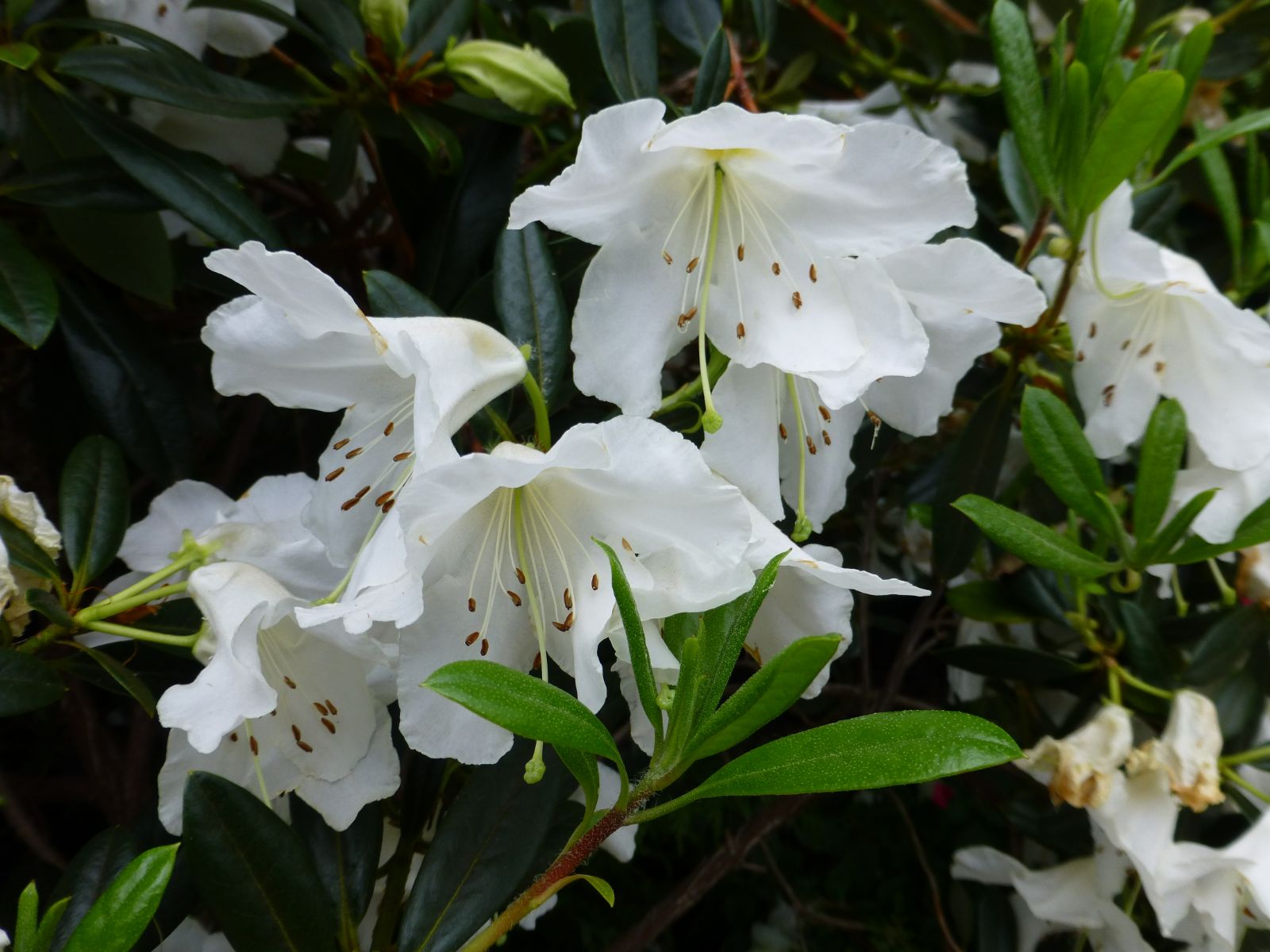
Shrub, to 2.6 m; young growth setose. Leaves pale, 4.7–7.5 × 1.8–3.2 mm, elliptic to obovate-elliptic, apex obtuse to rounded, margin not setose, upper surface with impressed midrib, lower surface with well-spaced unequal golden scales. Flowers 2–4, in a loose terminal inflorescence, scented; calyx lobes c.3 mm, not ciliate; corolla white or white flushed pink, with a yellow or golden blotch, funnel-campanulate, 50–55 mm, outer surface with scales restricted to lobes, sparsely pilose over tube; stamens 10; ovary densely scaly, impressed below the style that is scaly at extreme base. Flowering April-May. Royal Horticultural Society (1997).
Distribution China SE Tibet
Habitat 1,950–2,450 m
RHS Hardiness Rating H2
Awards AM 1936 (L. de Rothschild, Exbury); flowers pale pink.
Conservation status Vulnerable (VU)
The pale leaf colour (especially in dried specimens) is a distinctive feature of this species. Royal Horticultural Society (1997)