Pinus teocote
Credits
Article from Bean's Trees and Shrubs Hardy in the British Isles
Recommended citation
'Pinus teocote' from the website Trees and Shrubs Online (treesandshrubsonline.
Genus
Common Names
- Teocote Pine
Other taxa in genus
- Pinus albicaulis
- Pinus arizonica
- Pinus armandii
- Pinus attenuata
- Pinus ayacahuite
- Pinus balfouriana
- Pinus banksiana
- Pinus bhutanica
- Pinus brutia
- Pinus bungeana
- Pinus canariensis
- Pinus cembra
- Pinus cembroides
- Pinus chiapensis
- Pinus contorta
- Pinus coulteri
- Pinus culminicola
- Pinus densata
- Pinus densiflora
- Pinus devoniana
- Pinus durangensis
- Pinus echinata
- Pinus edulis
- Pinus elliottii
- Pinus engelmannii
- Pinus eremitana
- Pinus flexilis
- Pinus gerardiana
- Pinus greggii
- Pinus × hakkodensis
- Pinus halepensis
- Pinus hartwegii
- Pinus heldreichii
- Pinus henryi
- Pinus × holfordiana
- Pinus hwangshanensis
- Pinus jeffreyi
- Pinus johannis
- Pinus koraiensis
- Pinus lambertiana
- Pinus leiophylla
- Pinus longaeva
- Pinus massoniana
- Pinus maximartinezii
- Pinus monophylla
- Pinus montezumae
- Pinus monticola
- Pinus morrisonicola
- Pinus mugo
- Pinus muricata
- Pinus nelsonii
- Pinus nigra
- Pinus oocarpa
- Pinus orizabensis
- Pinus palustris
- Pinus parviflora
- Pinus patula
- Pinus peuce
- Pinus pinaster
- Pinus pinceana
- Pinus pinea
- Pinus ponderosa
- Pinus pseudostrobus
- Pinus pumila
- Pinus pungens
- Pinus quadrifolia
- Pinus radiata
- Pinus remota
- Pinus resinosa
- Pinus rigida
- Pinus roxburghii
- Pinus sabiniana
- Pinus serotina
- Pinus sibirica
- Pinus strobiformis
- Pinus strobus
- Pinus sylvestris
- Pinus tabuliformis
- Pinus taeda
- Pinus taiwanensis
- Pinus thunbergii
- Pinus torreyana
- Pinus virginiana
- Pinus wallichiana
- Pinus wangii
- Pinus yunnanensis

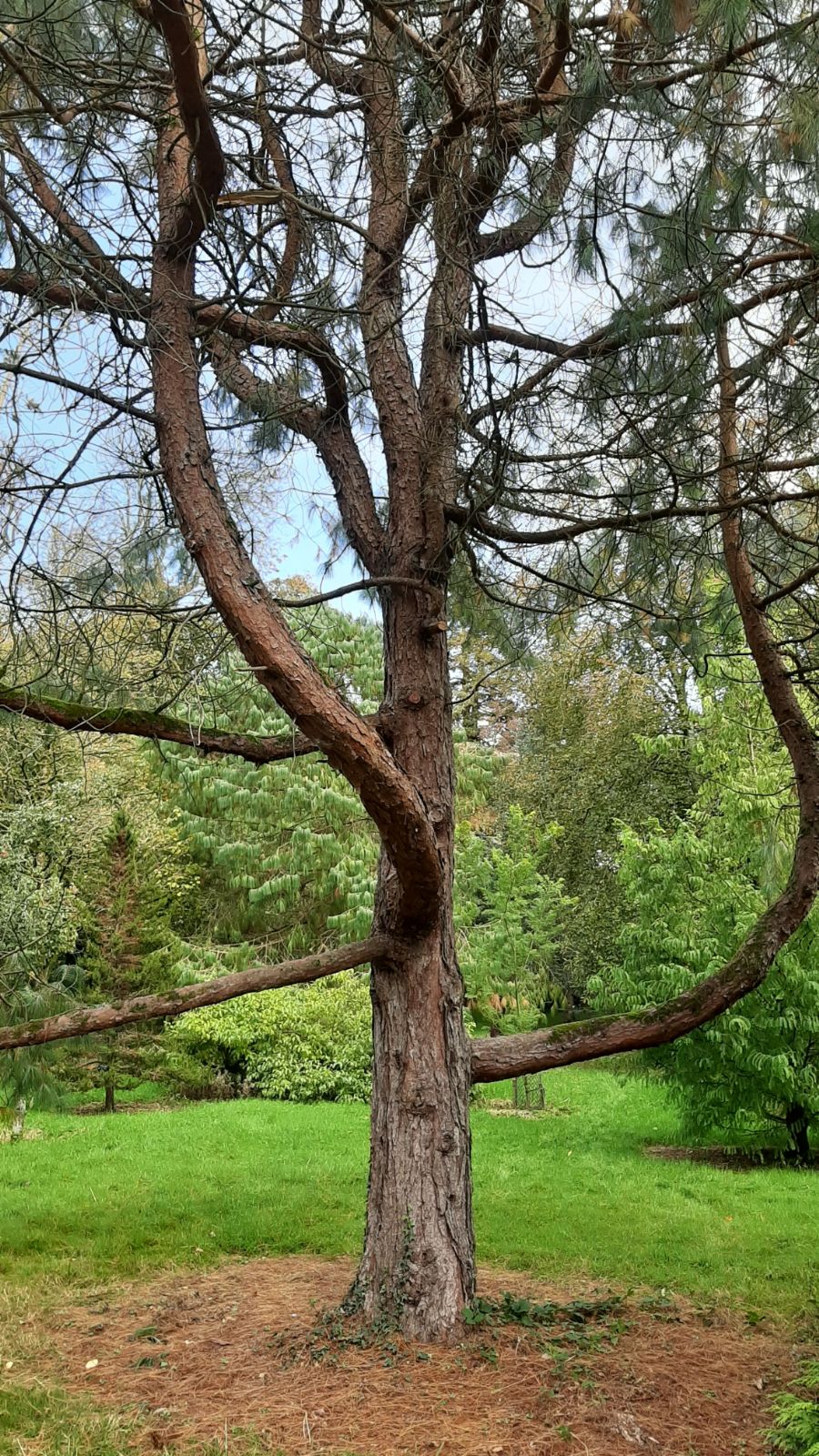
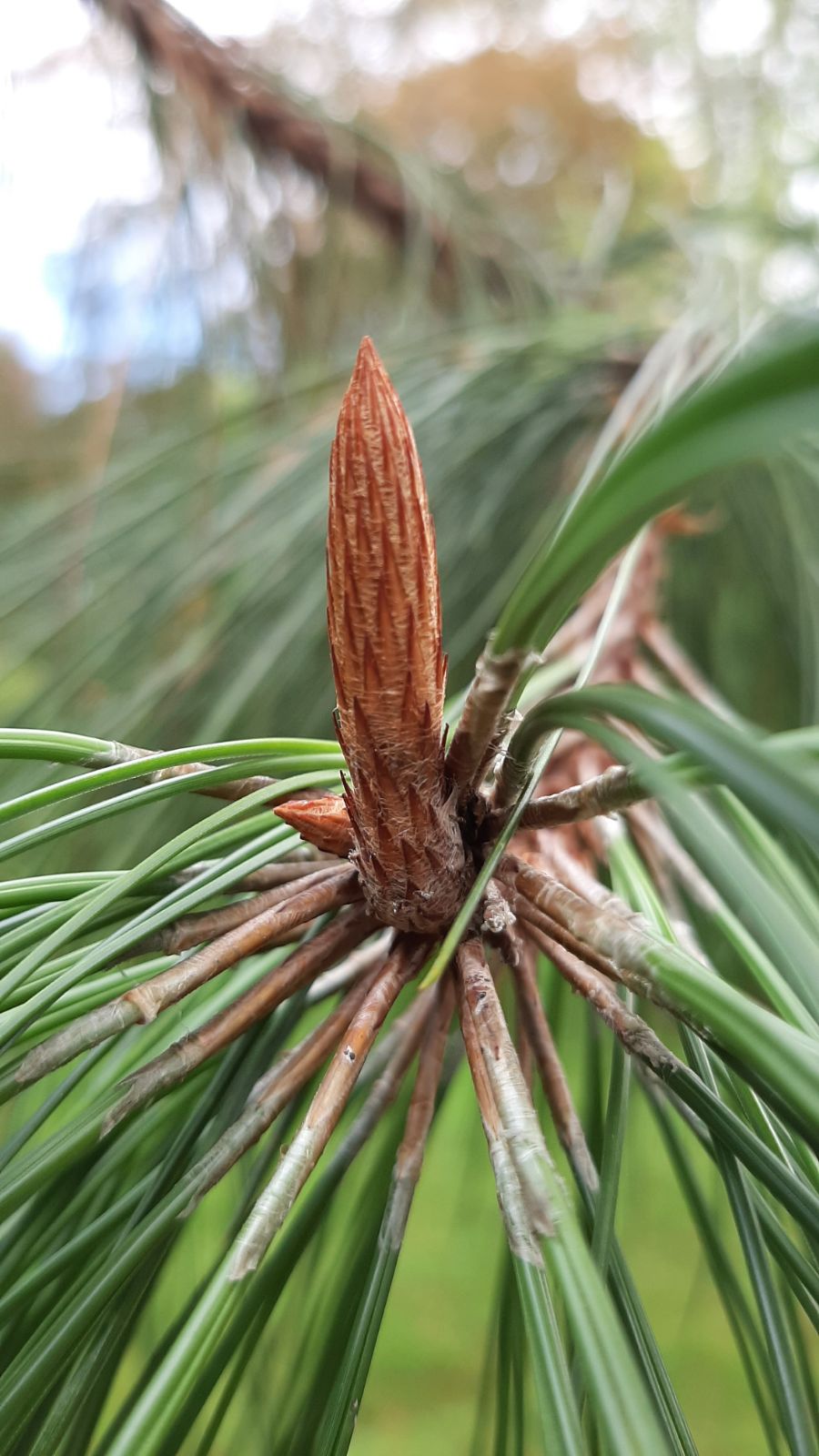
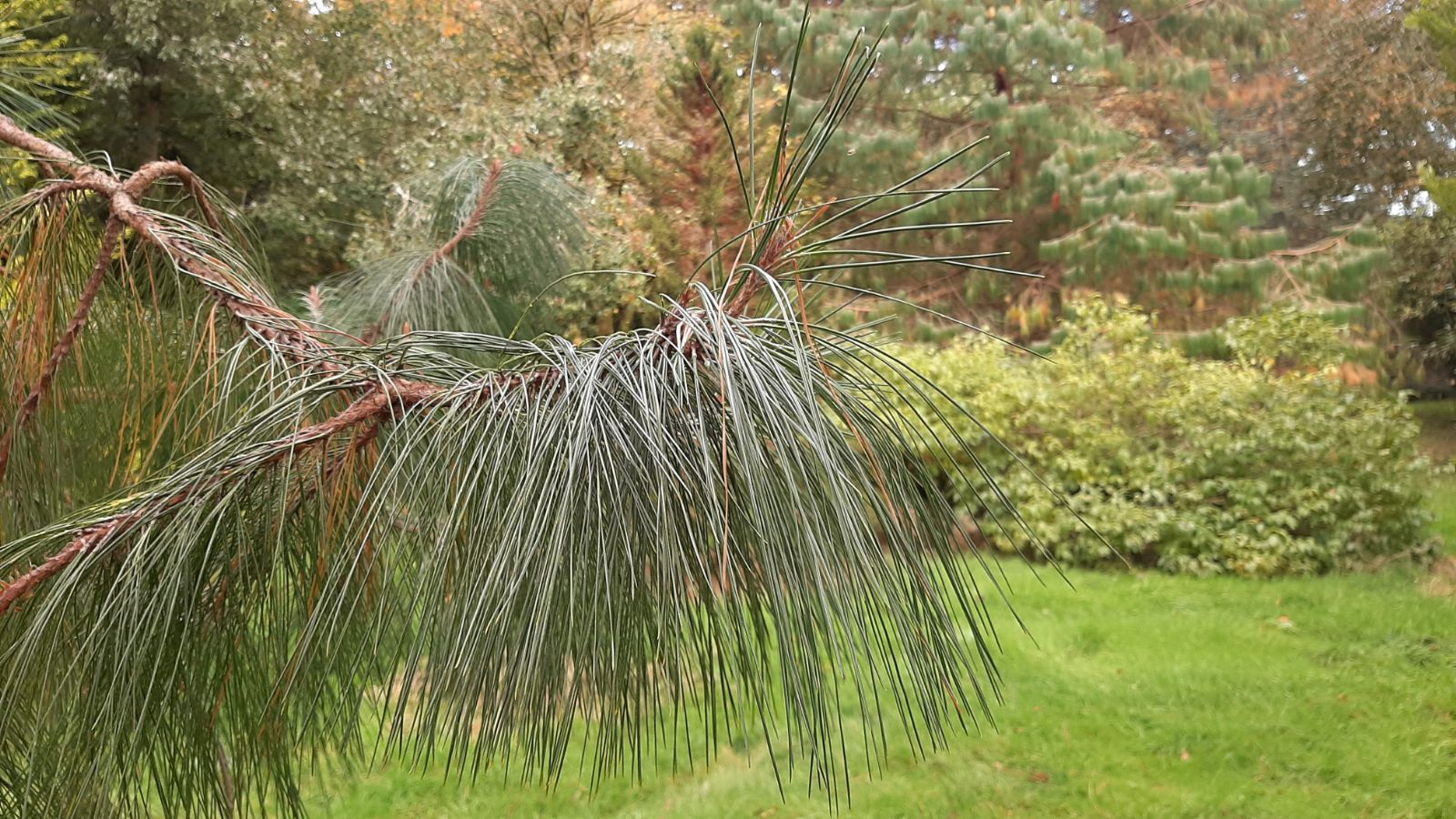
A large tree up to 90 ft high in the wild; young shoots brown, glabrous; winter-buds cylindrical, tapered at the top, clothed with fringed, awl-shaped, pointed resinous scales. Leaves normally in threes (sometimes in fours or fives), 5 to 8 in. long, exceedingly finely toothed, sharply pointed, falling away in their third year; basal sheath 1⁄2 in. or less long, persistent. Cones produced singly or in pairs, elongated-ovoid, 11⁄2 to 21⁄2 in. long, 3⁄4 to 13⁄8 in. wide, brown.
Native of Mexico, where it is widespread. Hartweg sent home seeds in 1839 which were distributed by the Horticultural Society. Most of the plants raised from them died, but there were two trees at Bicton in Devon, one of which measured something over 60 ft in height and 7 ft in girth in 1920; both must have died before 1931, since there is no mention of them in the Conference Returns of that year. It is now very rare.