Mahonia acanthifolia
Credits
Article from Bean's Trees and Shrubs Hardy in the British Isles
Recommended citation
'Mahonia acanthifolia' from the website Trees and Shrubs Online (treesandshrubsonline.
Genus
Infraspecifics
Other taxa in genus
- Mahonia aquifolium
- Mahonia arguta
- Mahonia 'Charity'
- Mahonia fortunei
- Mahonia fremontii
- Mahonia gracilipes
- Mahonia haematocarpa
- Mahonia 'Heterophylla'
- Mahonia japonica
- Mahonia lomariifolia
- Mahonia × media
- Mahonia nervosa
- Mahonia nevinii
- Mahonia pinnata
- Mahonia repens
- Mahonia schiedeana
- Mahonia trifolia
- Mahonia trifoliolata
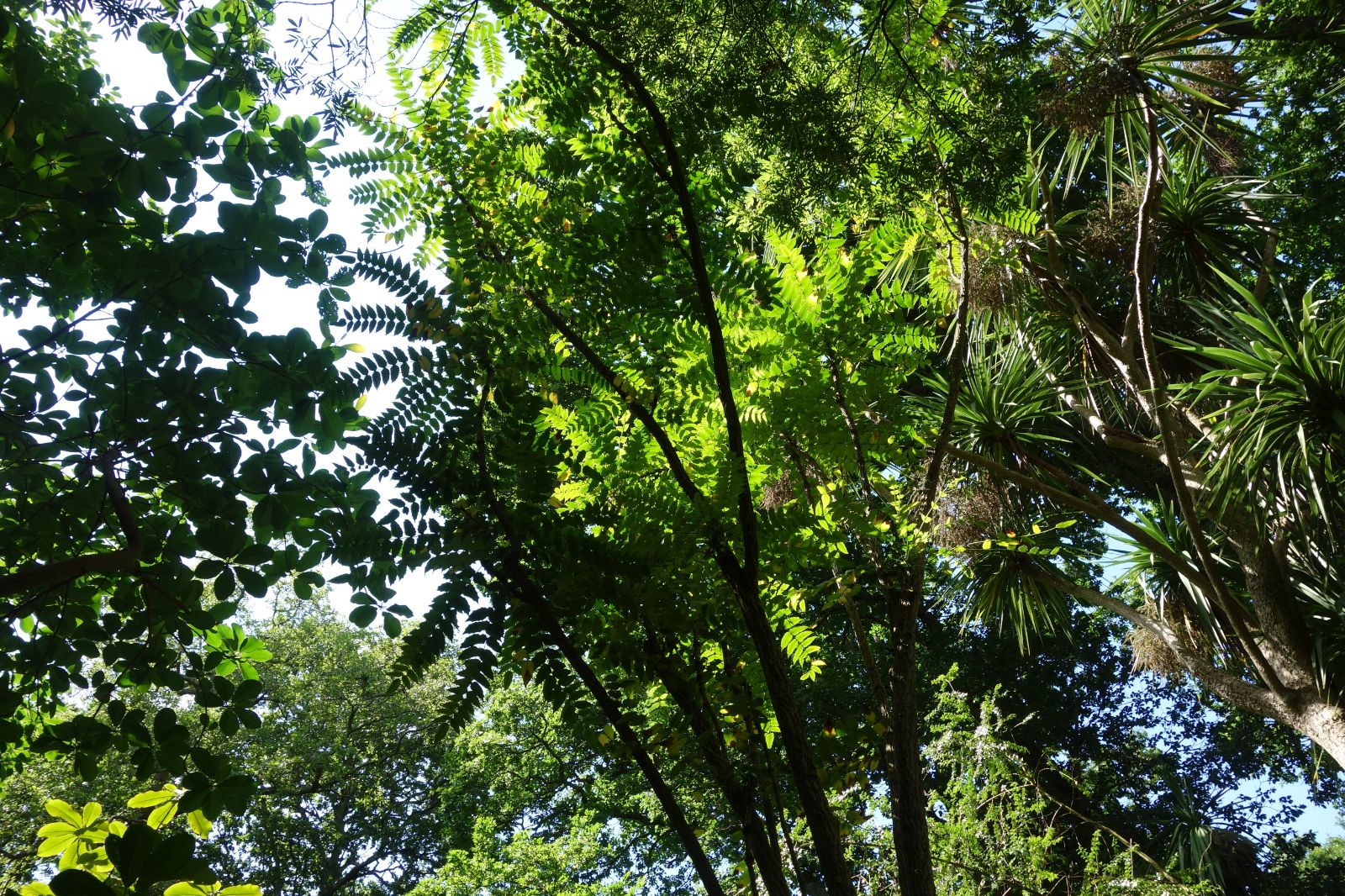
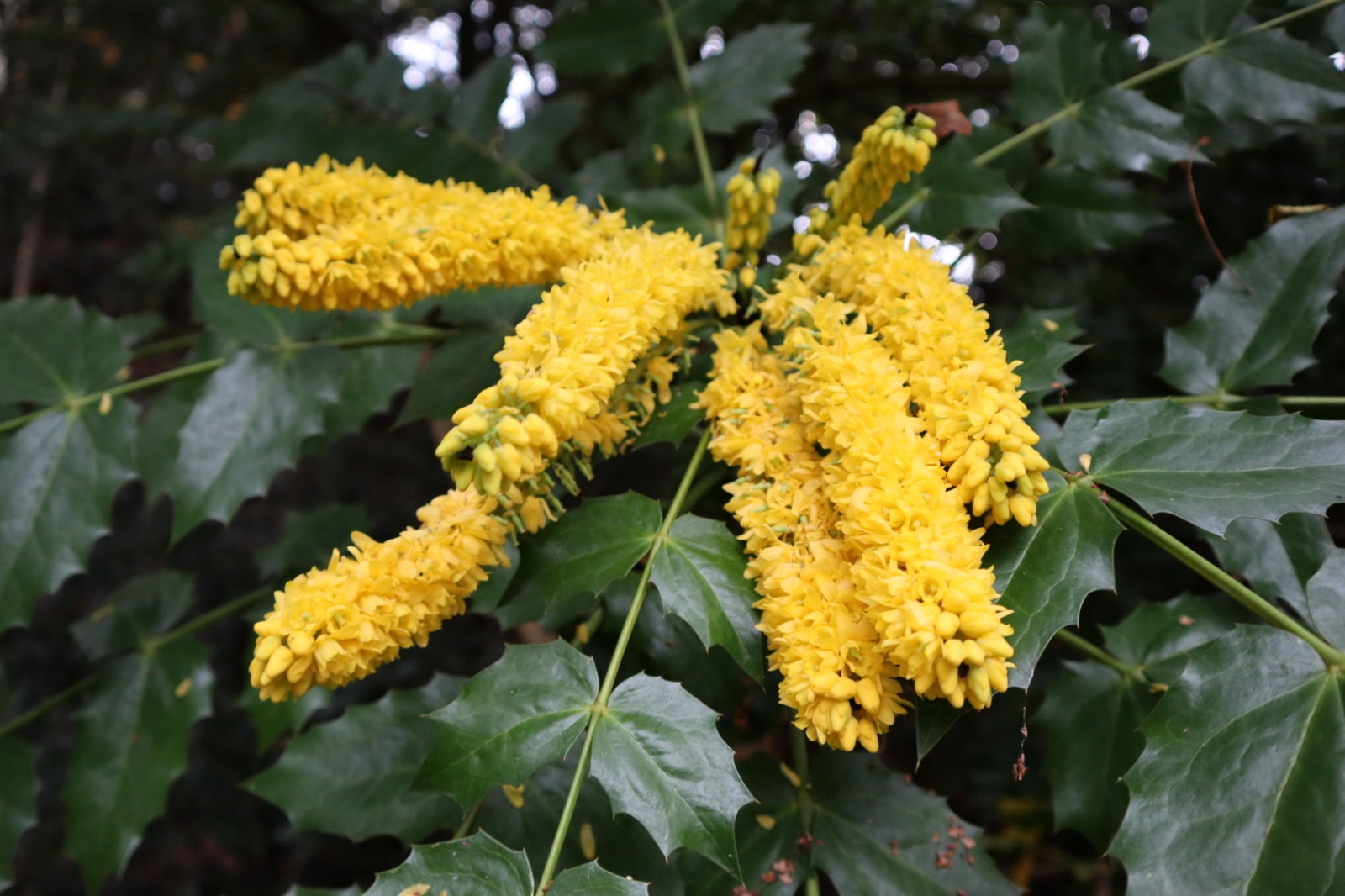
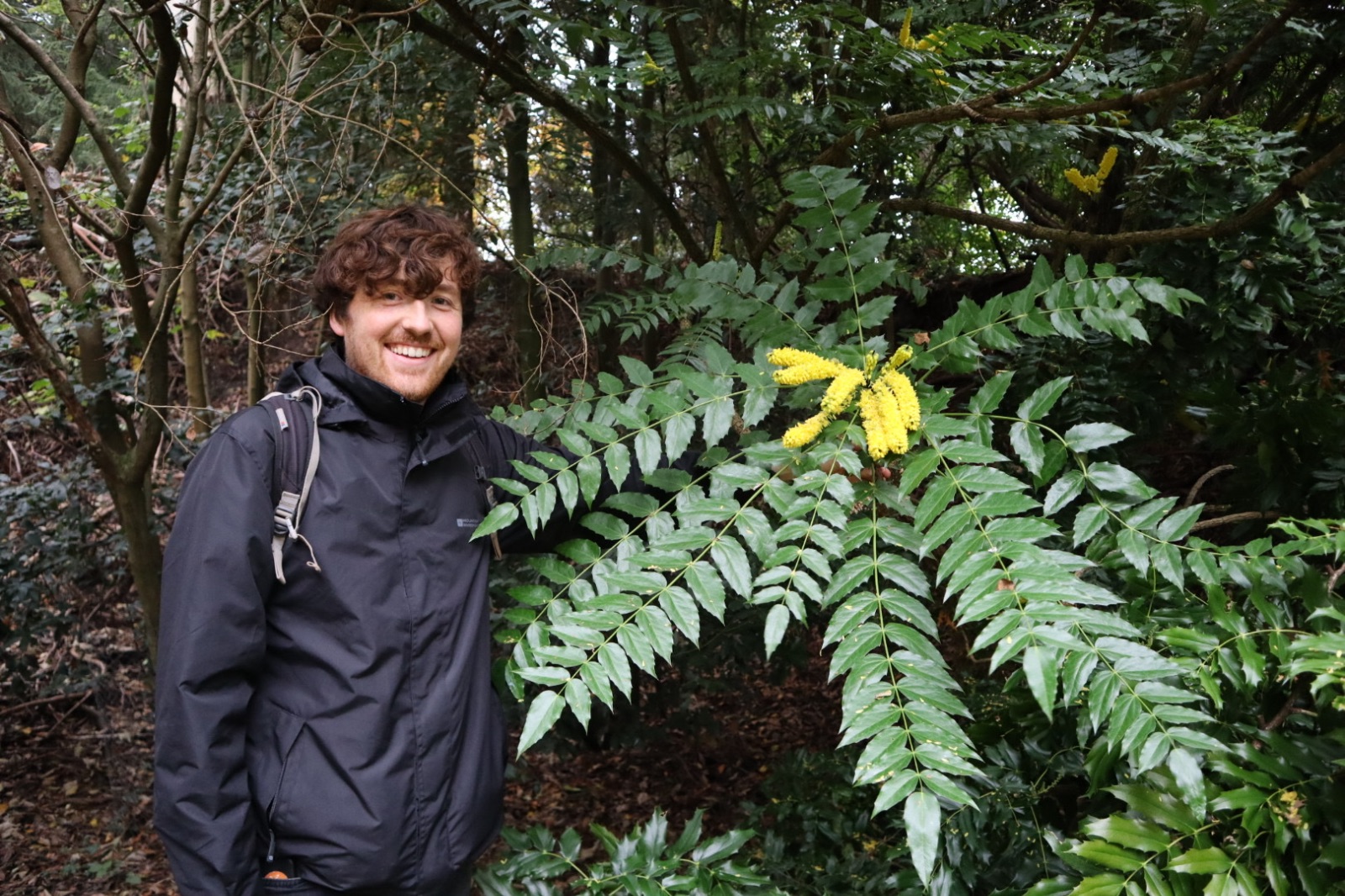
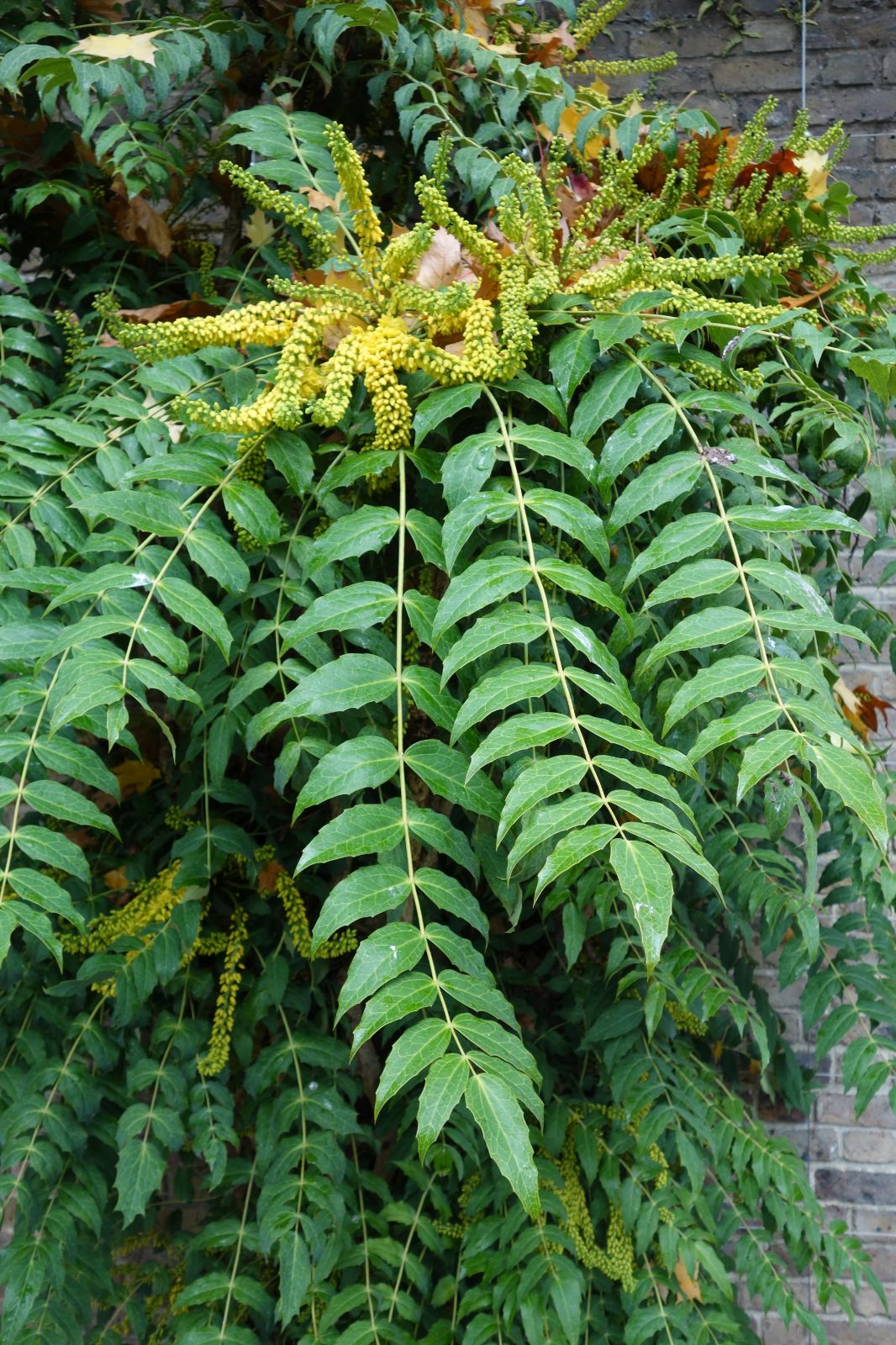
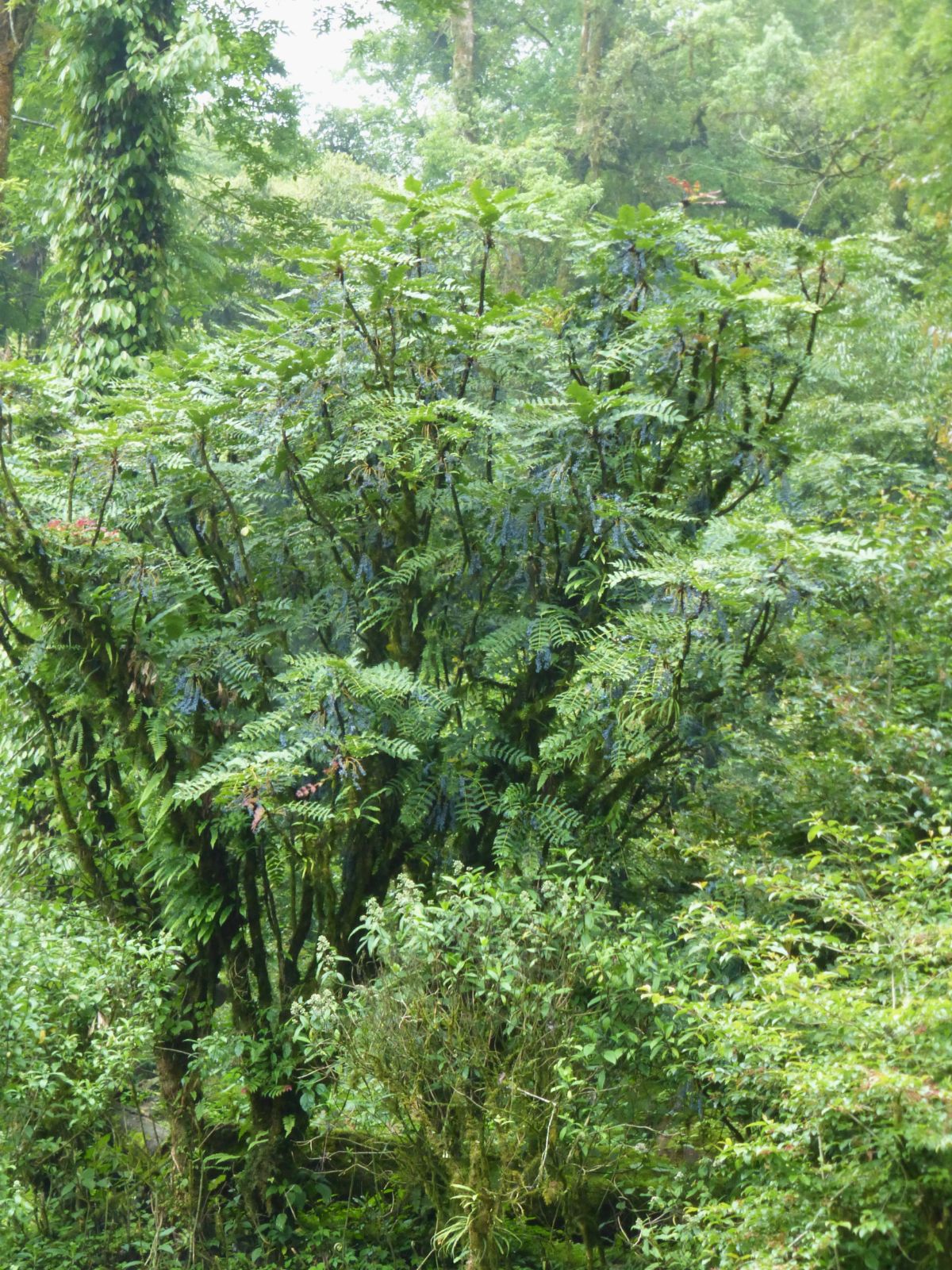
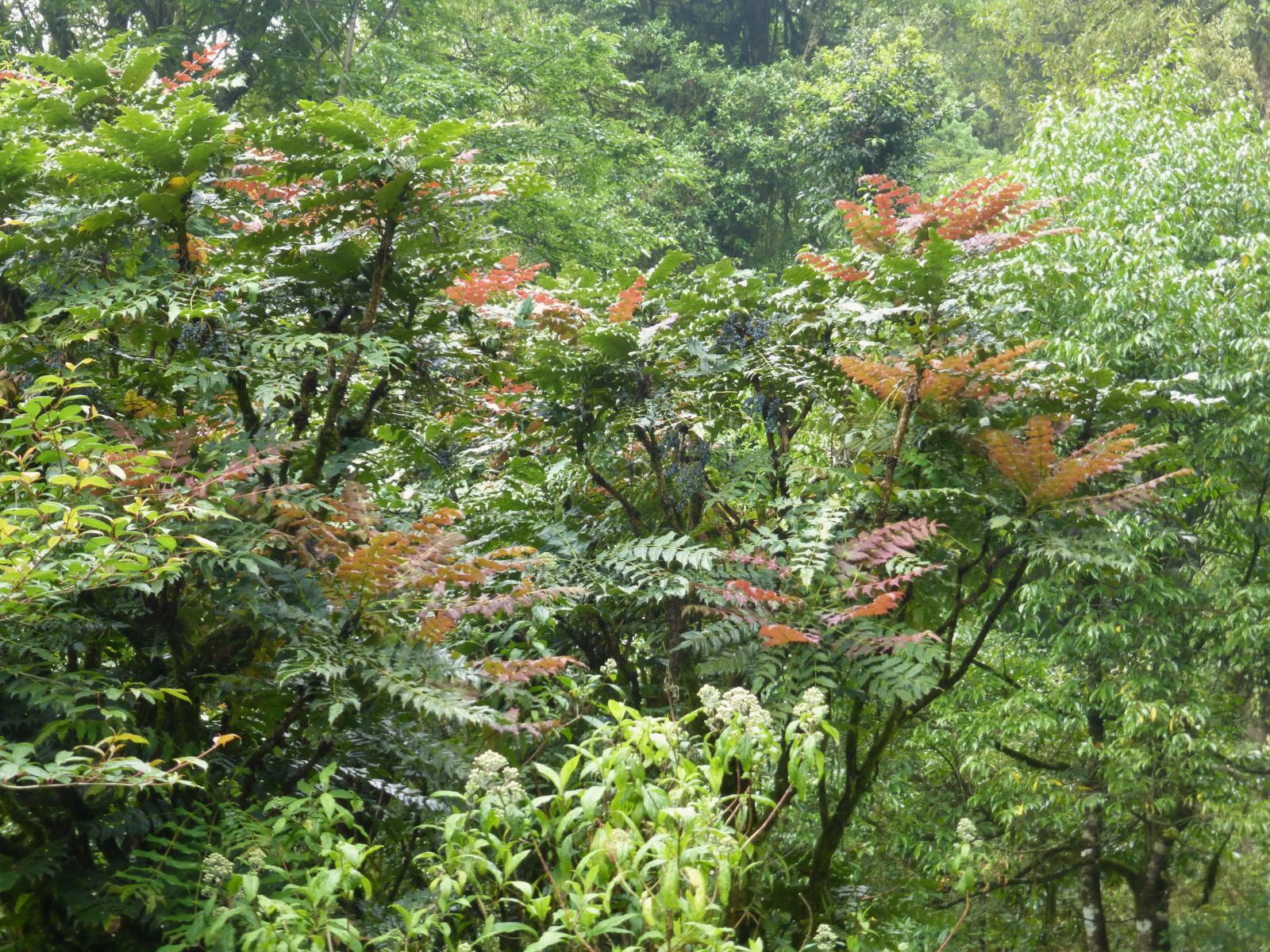
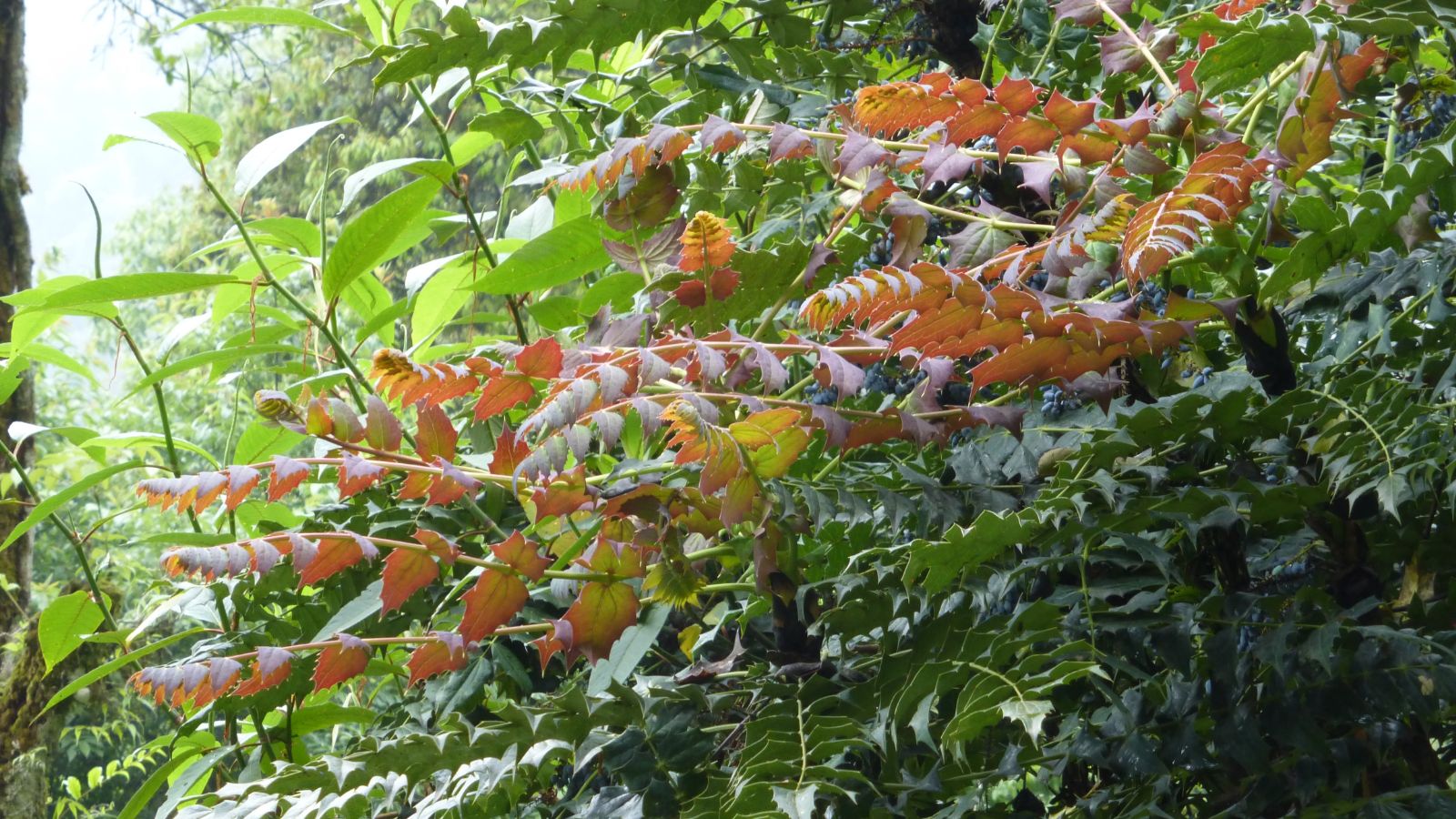
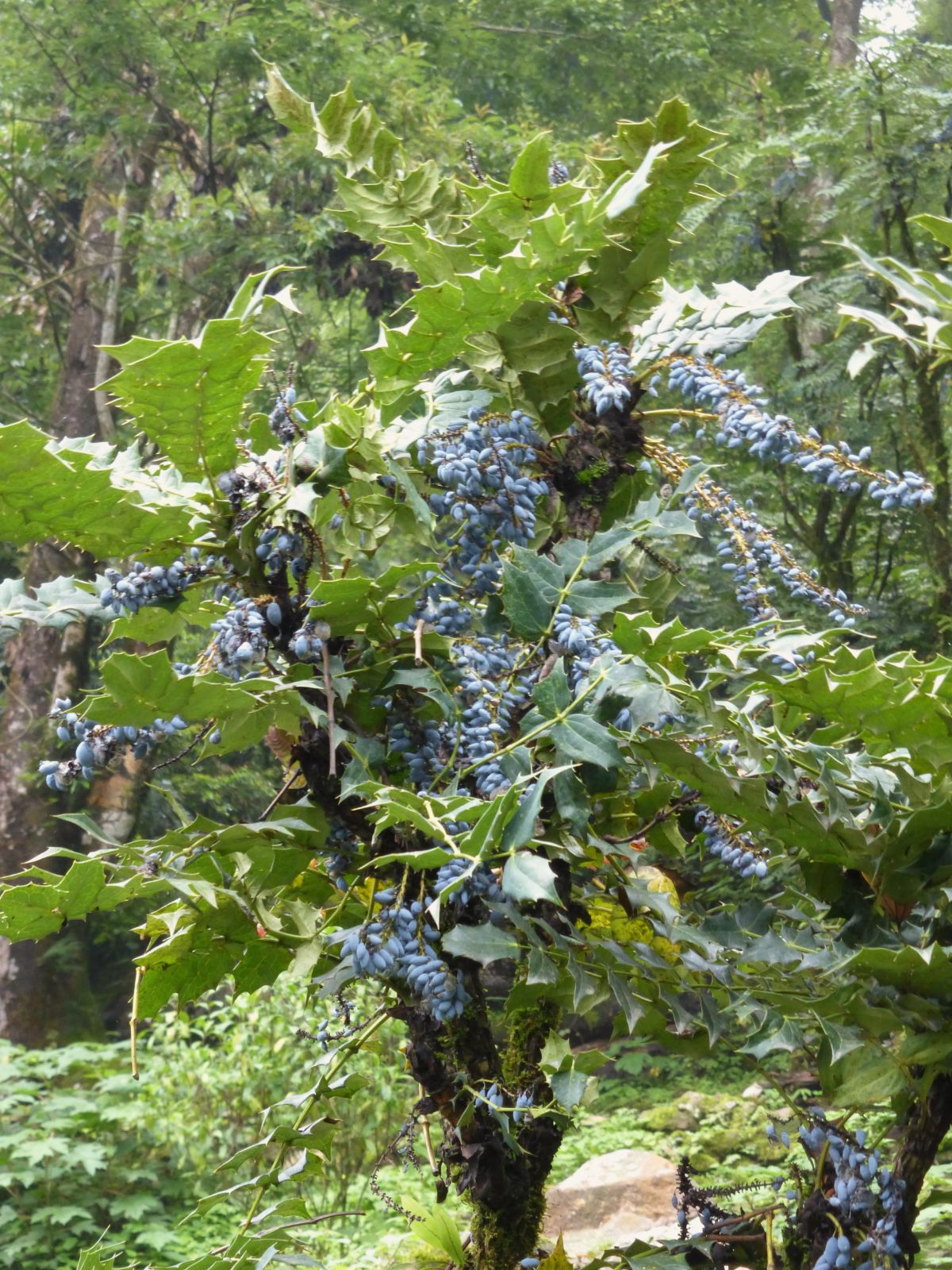
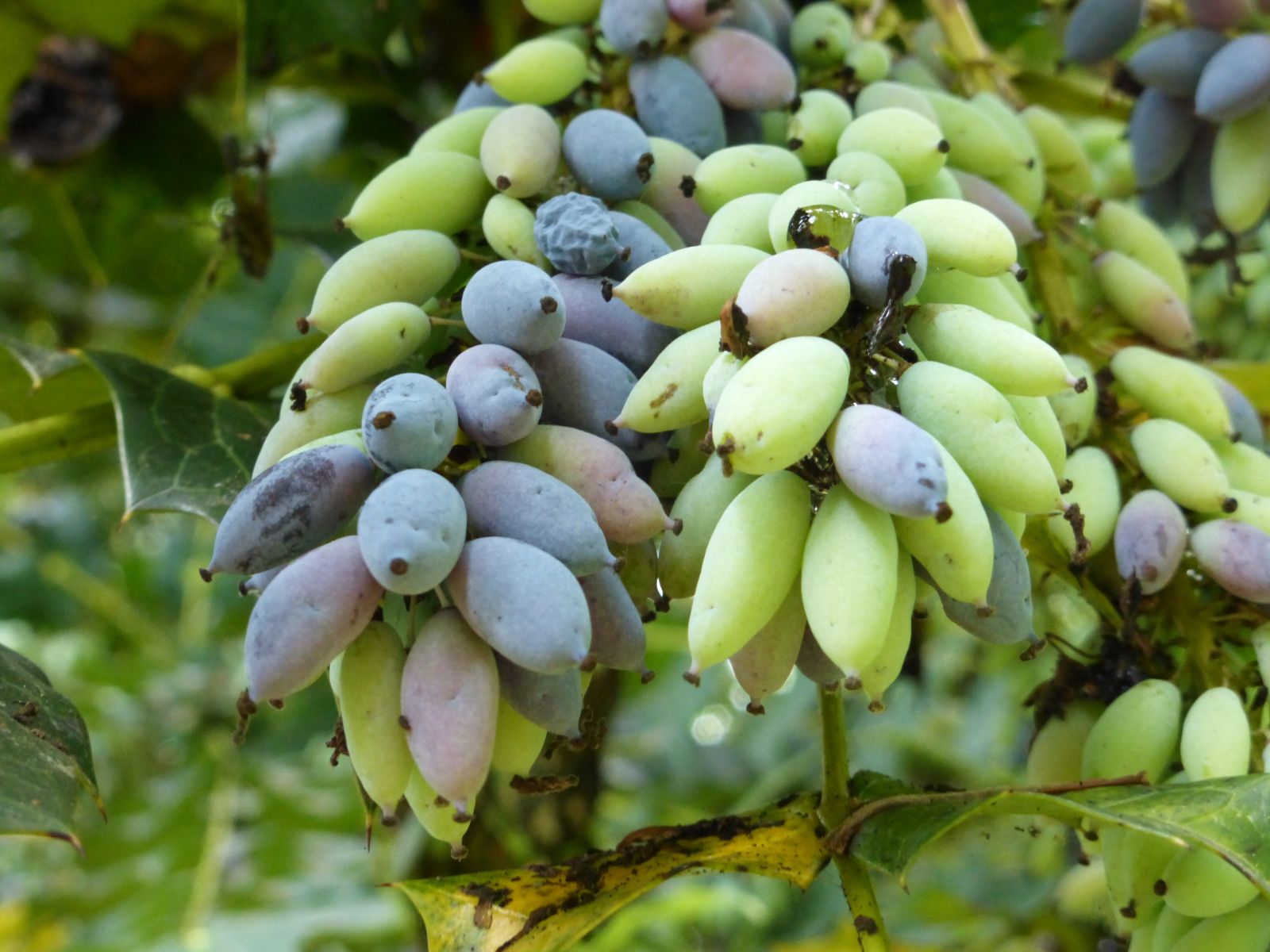
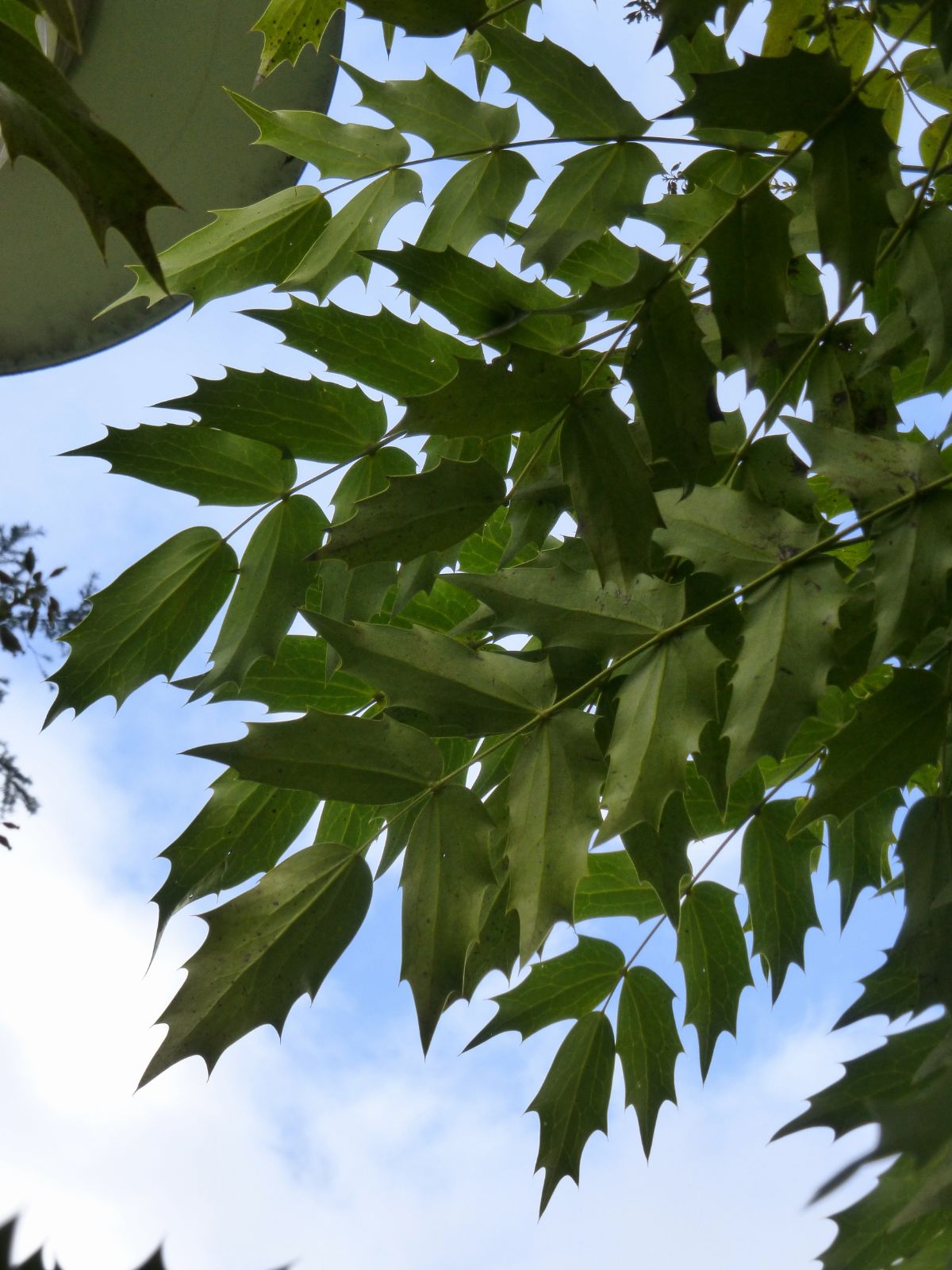
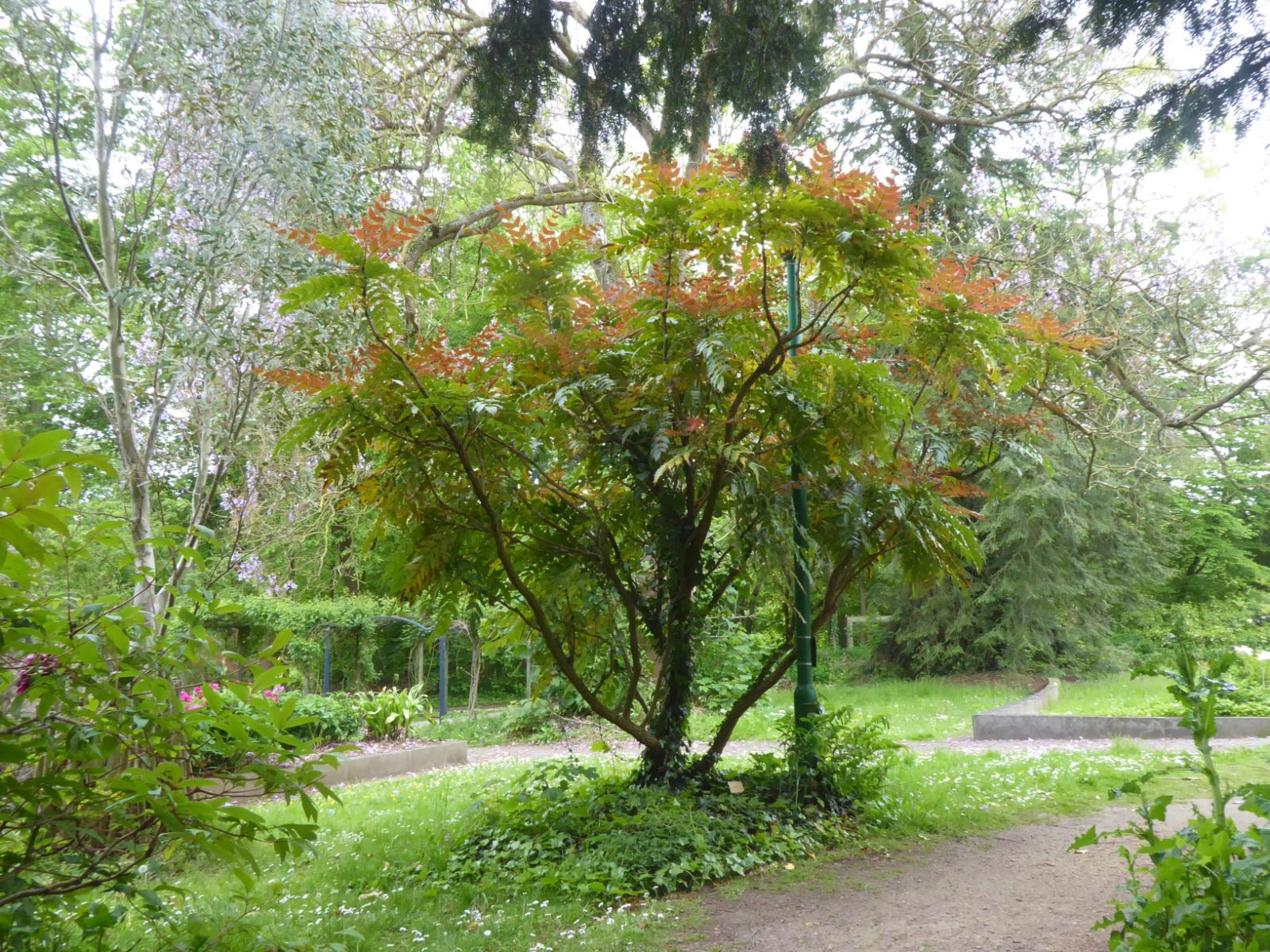
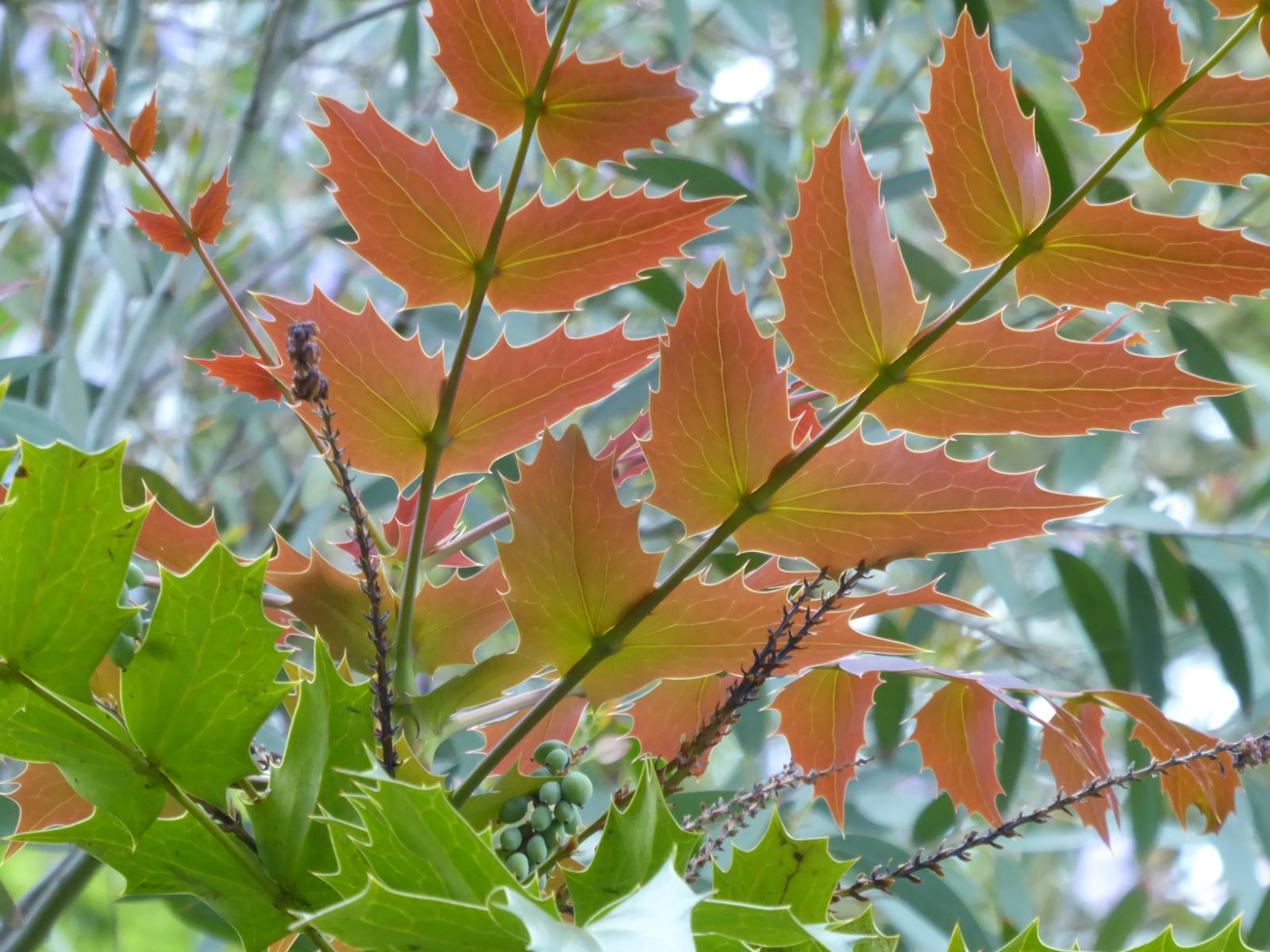
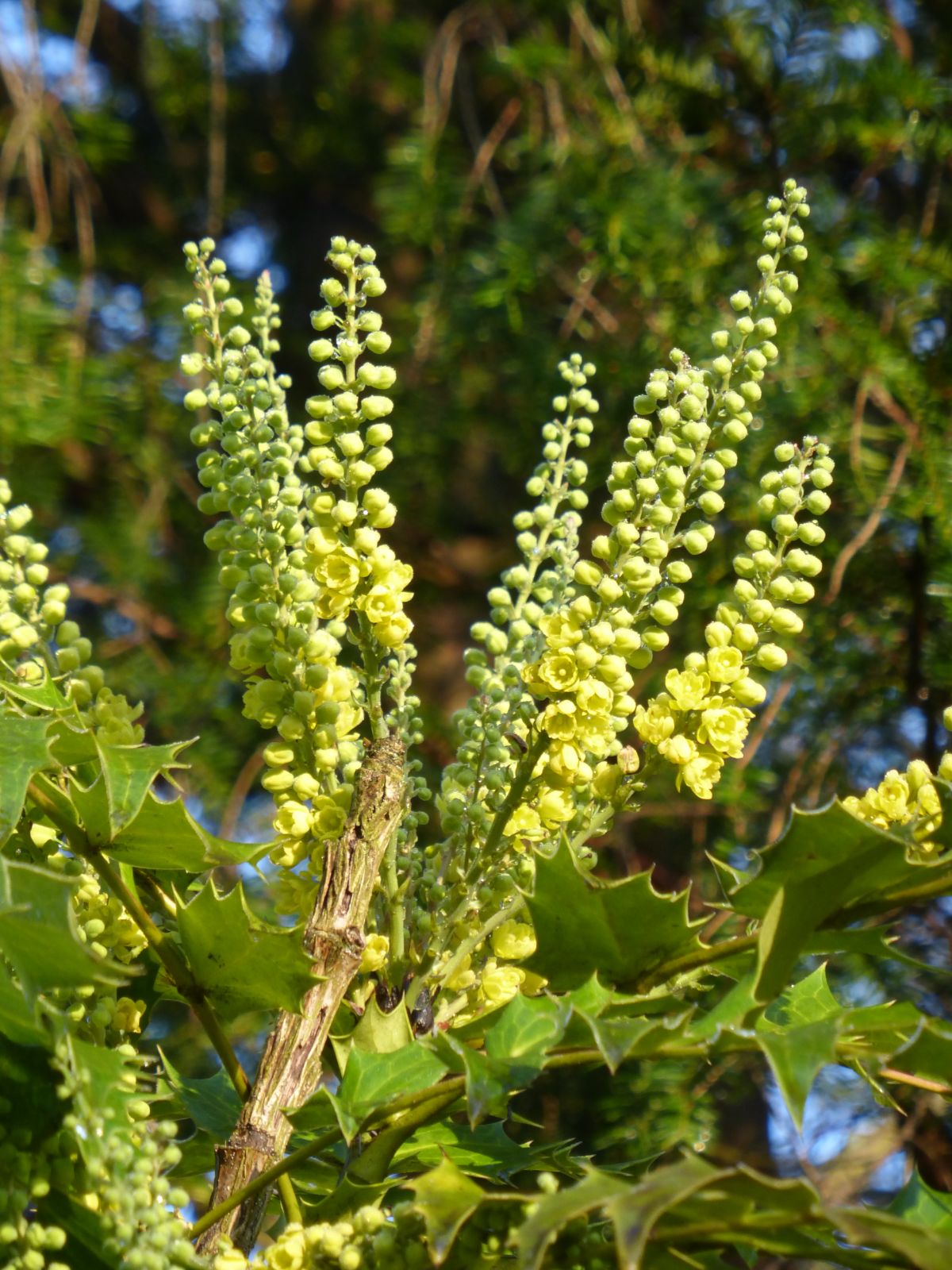
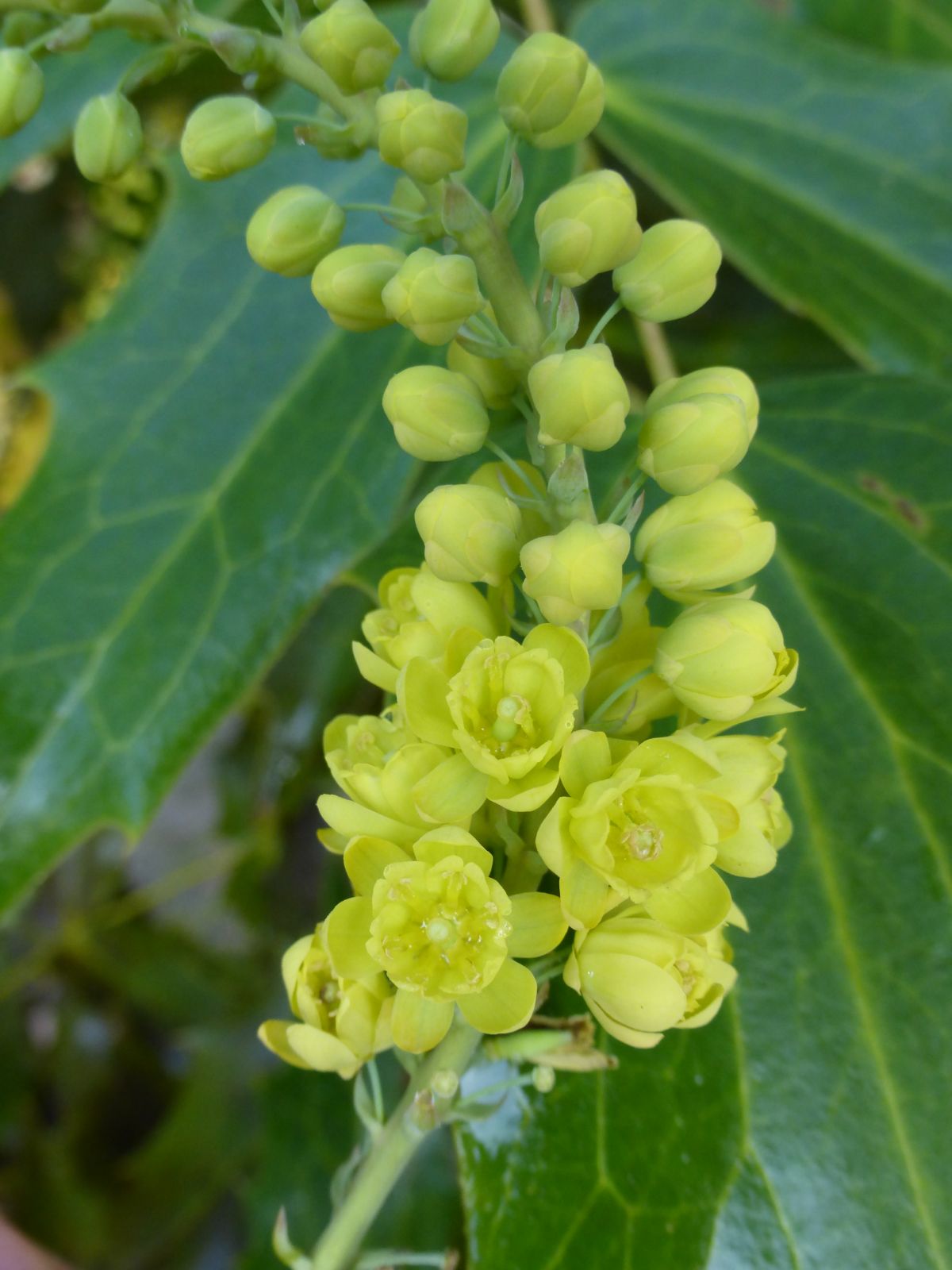
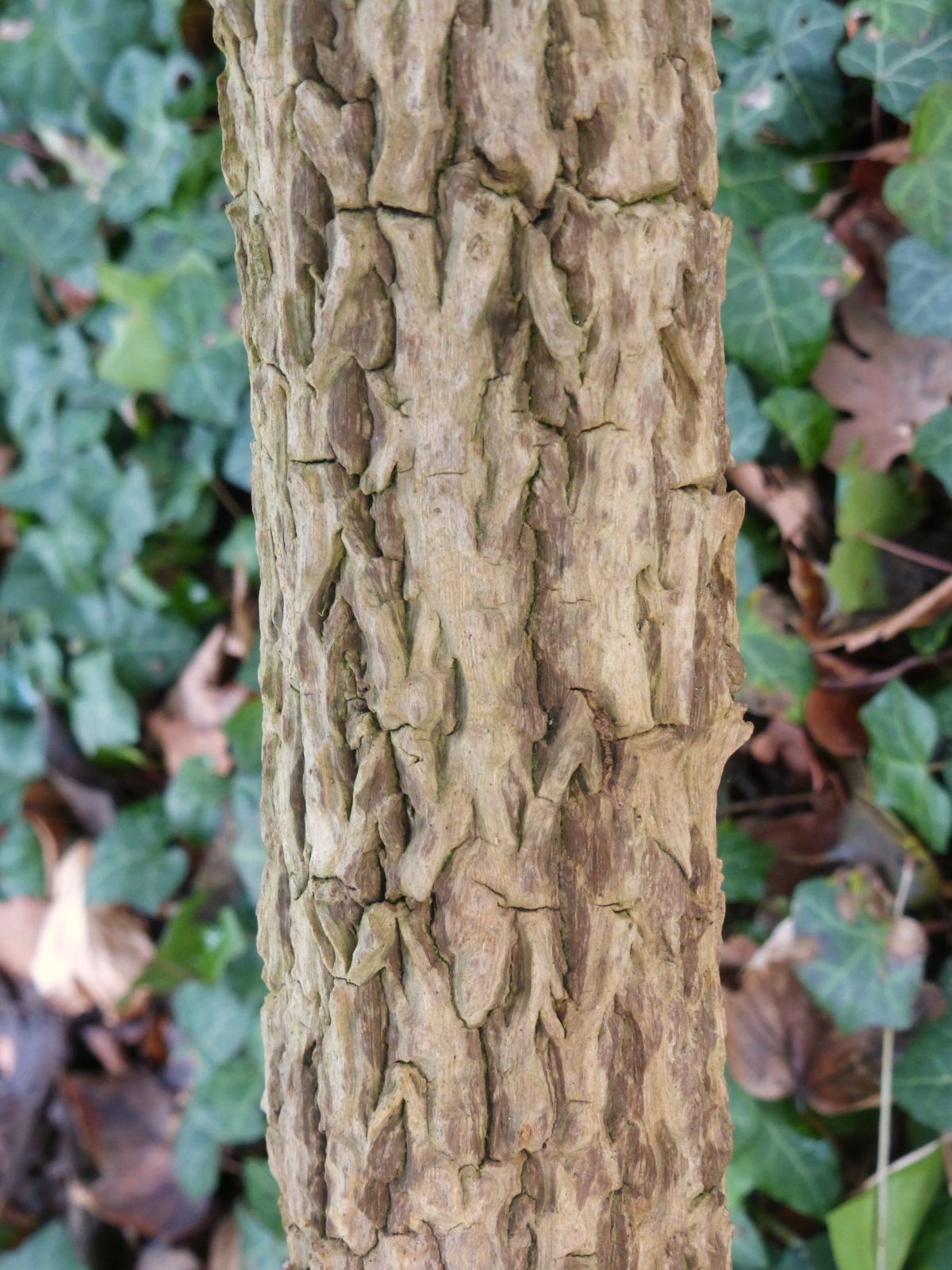
A shrub 20 to 25 ft high. Leaves 2 to 21⁄2 ft long, with seventeen to twenty-seven leaflets, the lowermost pair very small, roundish, inserted about 1⁄2 in. above the base of the rachis. Leaflets (except the basal pair) oblong-ovate or oblong-lanceolate, mostly 2 to 4 in. long, 1 to 15⁄8 in. wide, the middle pairs the longest, the lowermost pairs the widest, acute at the apex, truncate at the base, leathery in texture, slightly glossy above, three- to five-veined from the base, the veins slightly impressed above and raised beneath, margins sinuately toothed, with three to seven teeth on the lower margin, two to five on the upper. Racemes stout, spreading, terminal, in clusters of three or four, up to 12 in. long, with numerous densely arranged deep yellow flowers. Berries purple, covered with a bluish bloom, ovoid, about 3⁄8 in. long, crowned by a short, persistent style.
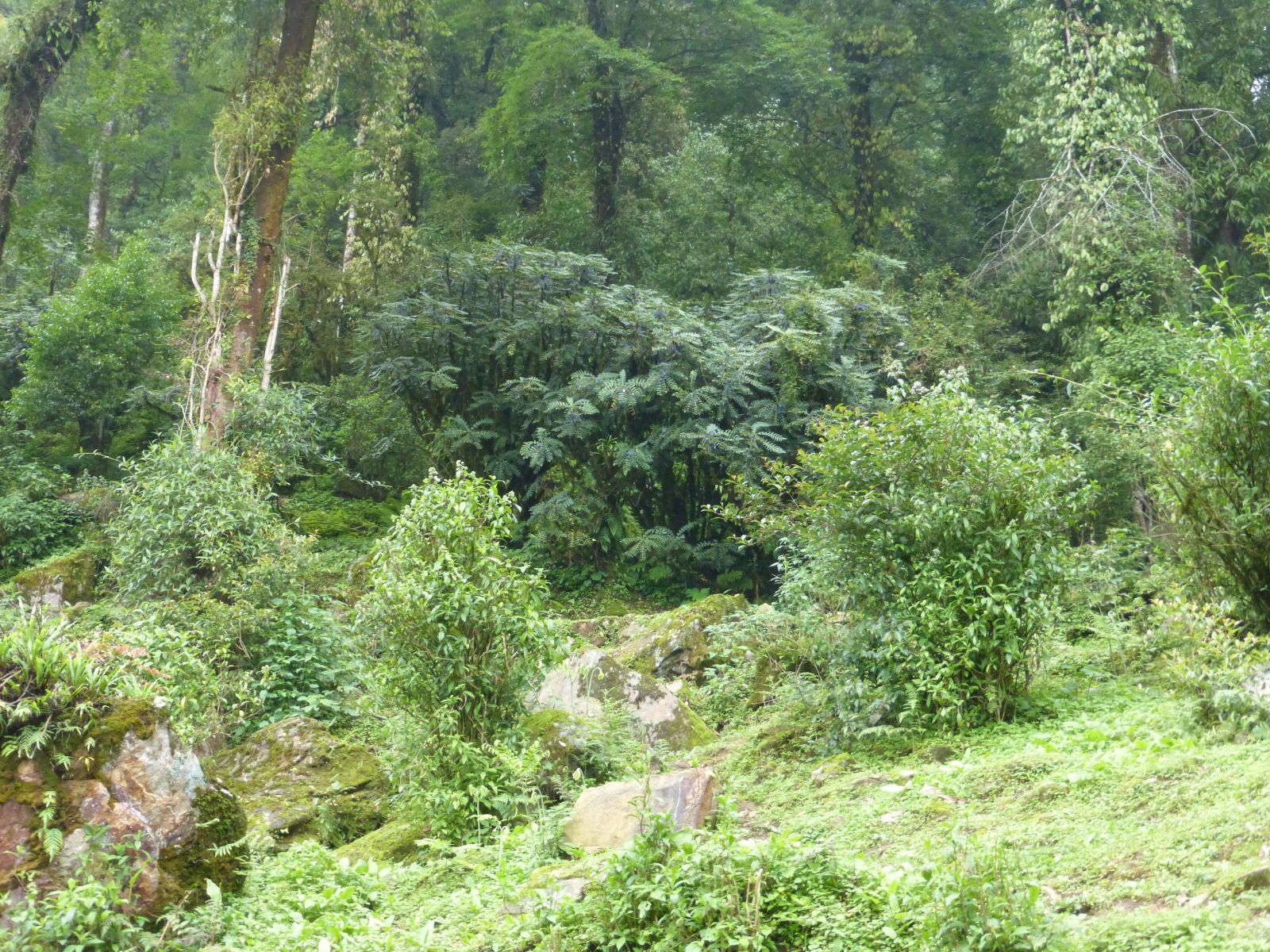
Native of the Himalaya from Kumaon to Assam, and of the Naga Hills. Although included in M. napaulensis by Hooker and Thomson, it is now usually regarded as a distinct species, differing chiefly in the longer leaves with more numerous leaflets. Other differences given by Dr Ahrendt are that the leaves are less glossy than in M. napaulensis and that the fruits bear more conspicuous styles. In cultivated plants there is also a difference in flowering time: late autumn and early winter for M. acanthifolia, early spring for M. napaulensis. In foliage M. acanthifolia is the finest of all the species that can be cultivated in the open in the British Isles. It is hardy in the southern and western parts of the country, but needs a sheltered position. It received a First Class Certificate when shown from Windsor Great Park on 25 November 1958. The plant in the Savill Gardens, growing on a wall near the propagating houses, is a cutting from the F.C.C. plant; it has attained a height of 9 ft in twelve years (1971).
From the Supplement (Vol. V)
M. napaulensis – In the first printing it was stated that the original of the clone ‘Maharajah’ was raised at the Caledonia Nursery, Guernsey, from seed. But Mr John de Putron later informed us that it was imported from India as a plant.