Euonymus phellomanus
Credits
Article from Bean's Trees and Shrubs Hardy in the British Isles
Recommended citation
'Euonymus phellomanus' from the website Trees and Shrubs Online (treesandshrubsonline.
Genus
Other taxa in genus
- Euonymus alatus
- Euonymus americanus
- Euonymus atropurpureus
- Euonymus bungeanus
- Euonymus cornutus
- Euonymus europaeus
- Euonymus fortunei
- Euonymus frigidus
- Euonymus grandiflorus
- Euonymus hamiltonianus
- Euonymus japonicus
- Euonymus kiautschovicus
- Euonymus latifolius
- Euonymus lucidus
- Euonymus macropterus
- Euonymus myrianthus
- Euonymus nanus
- Euonymus obovatus
- Euonymus oresbius
- Euonymus oxyphyllus
- Euonymus pendulus
- Euonymus planipes
- Euonymus porphyreus
- Euonymus sanguineus
- Euonymus semenowii
- Euonymus theifolius
- Euonymus tingens
- Euonymus verrucosus
- Euonymus wilsonii
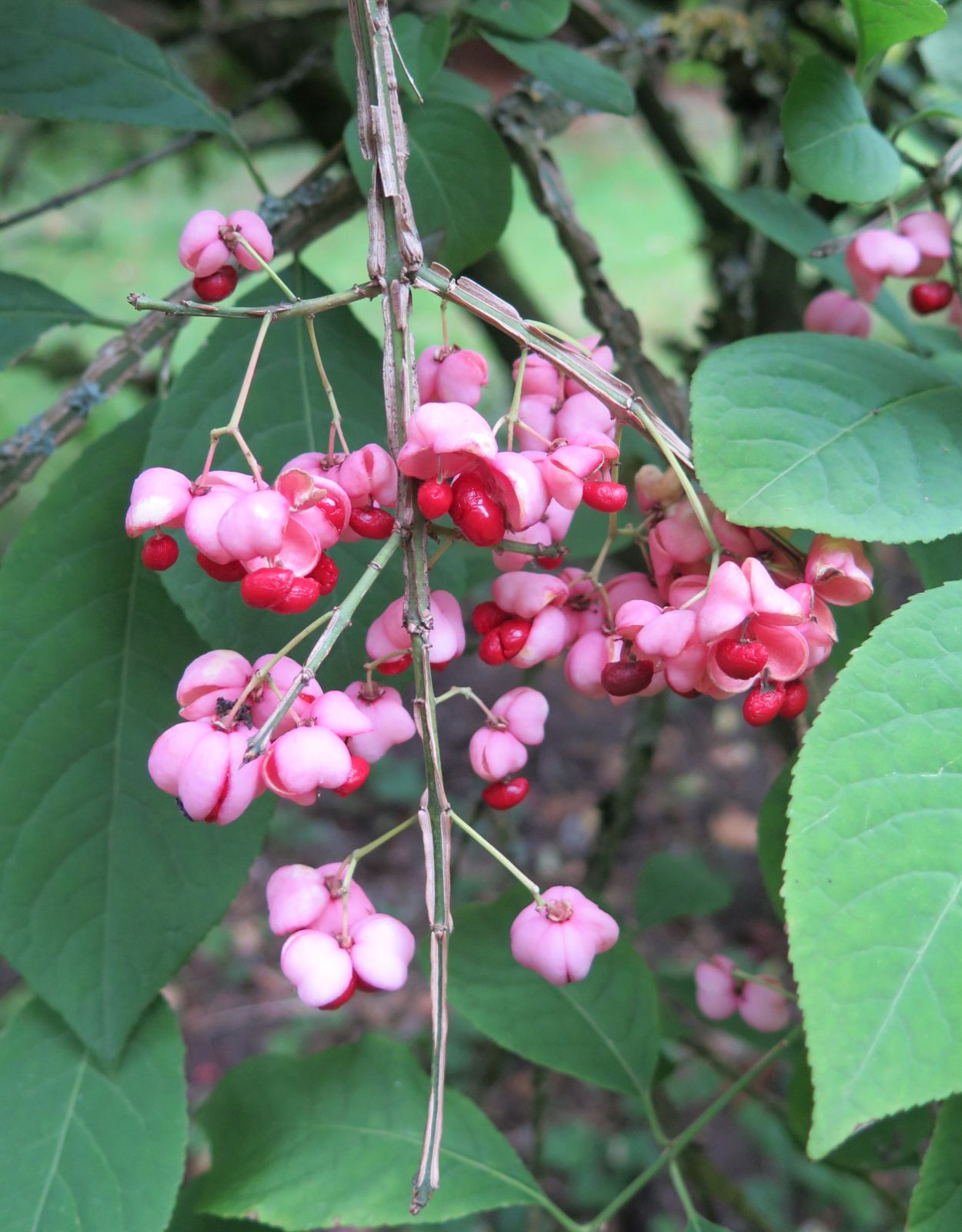
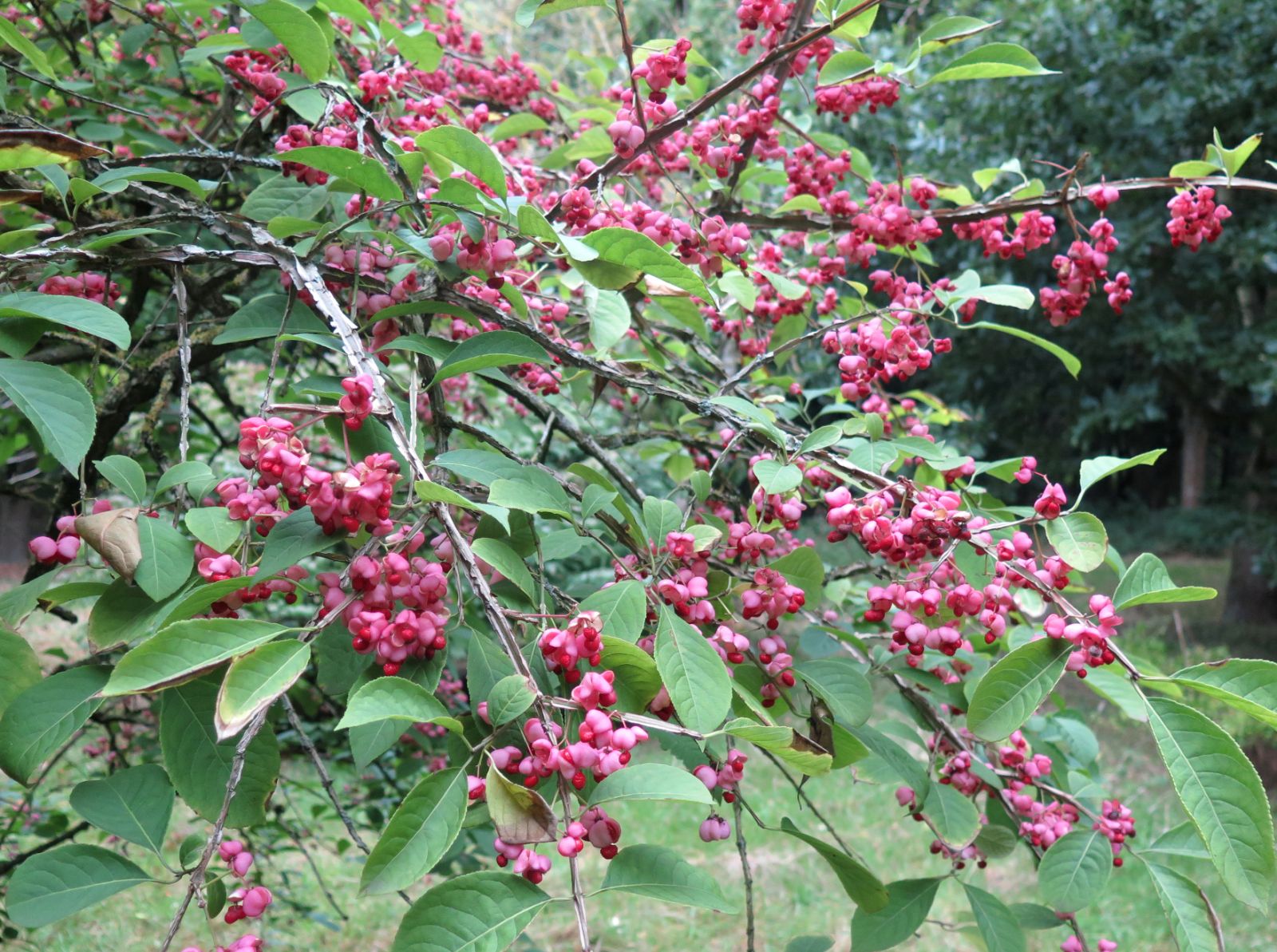
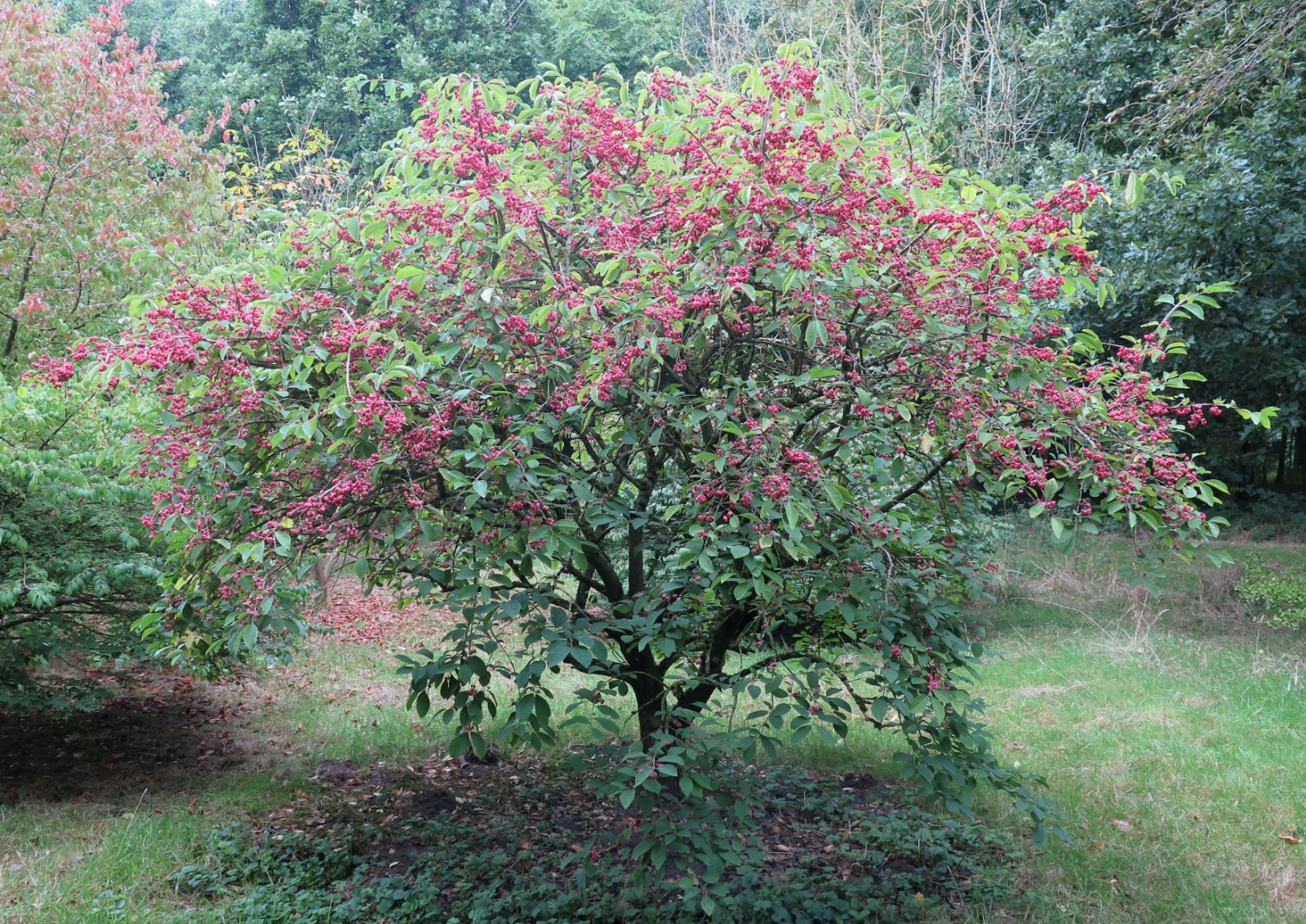
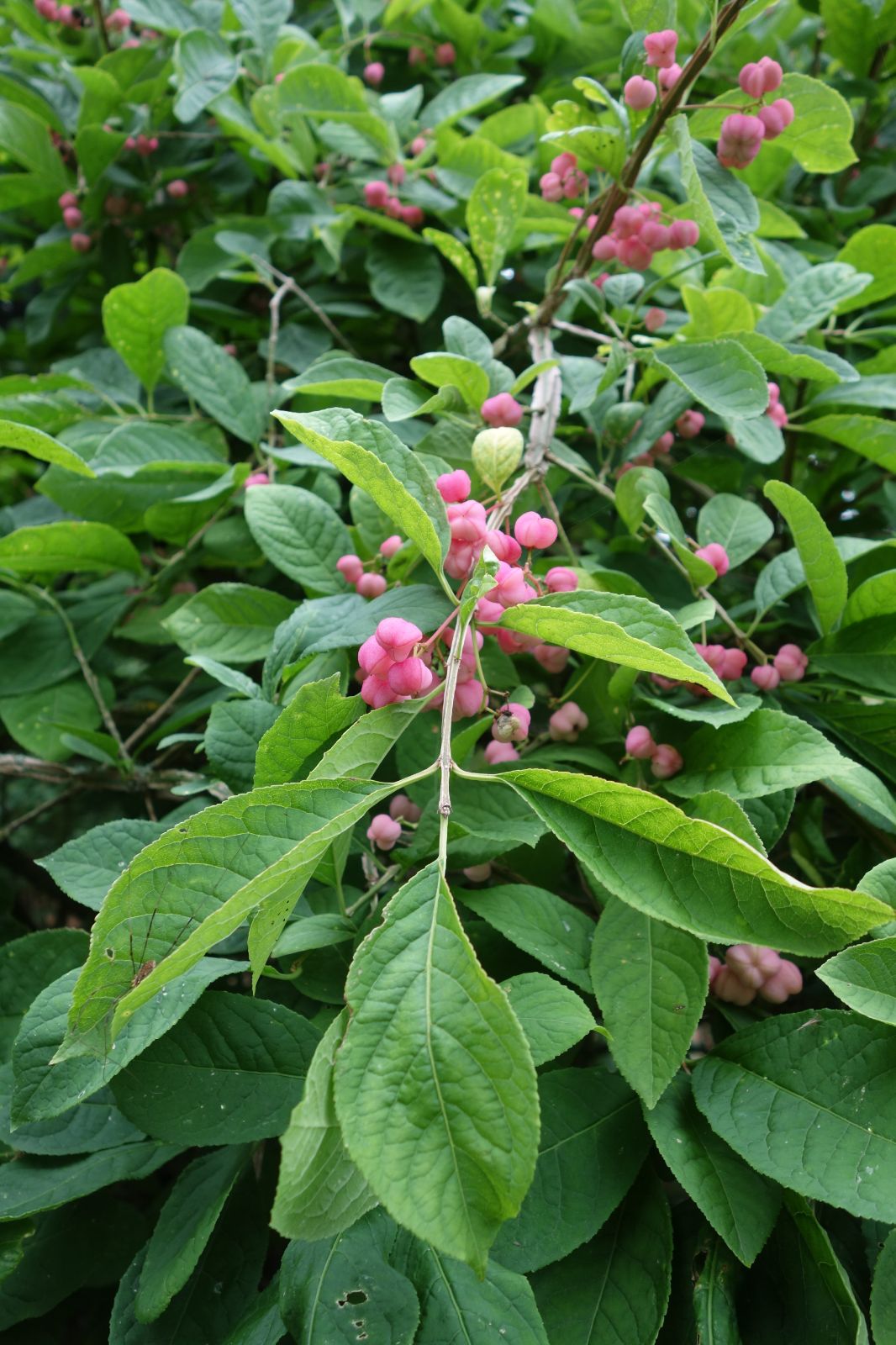
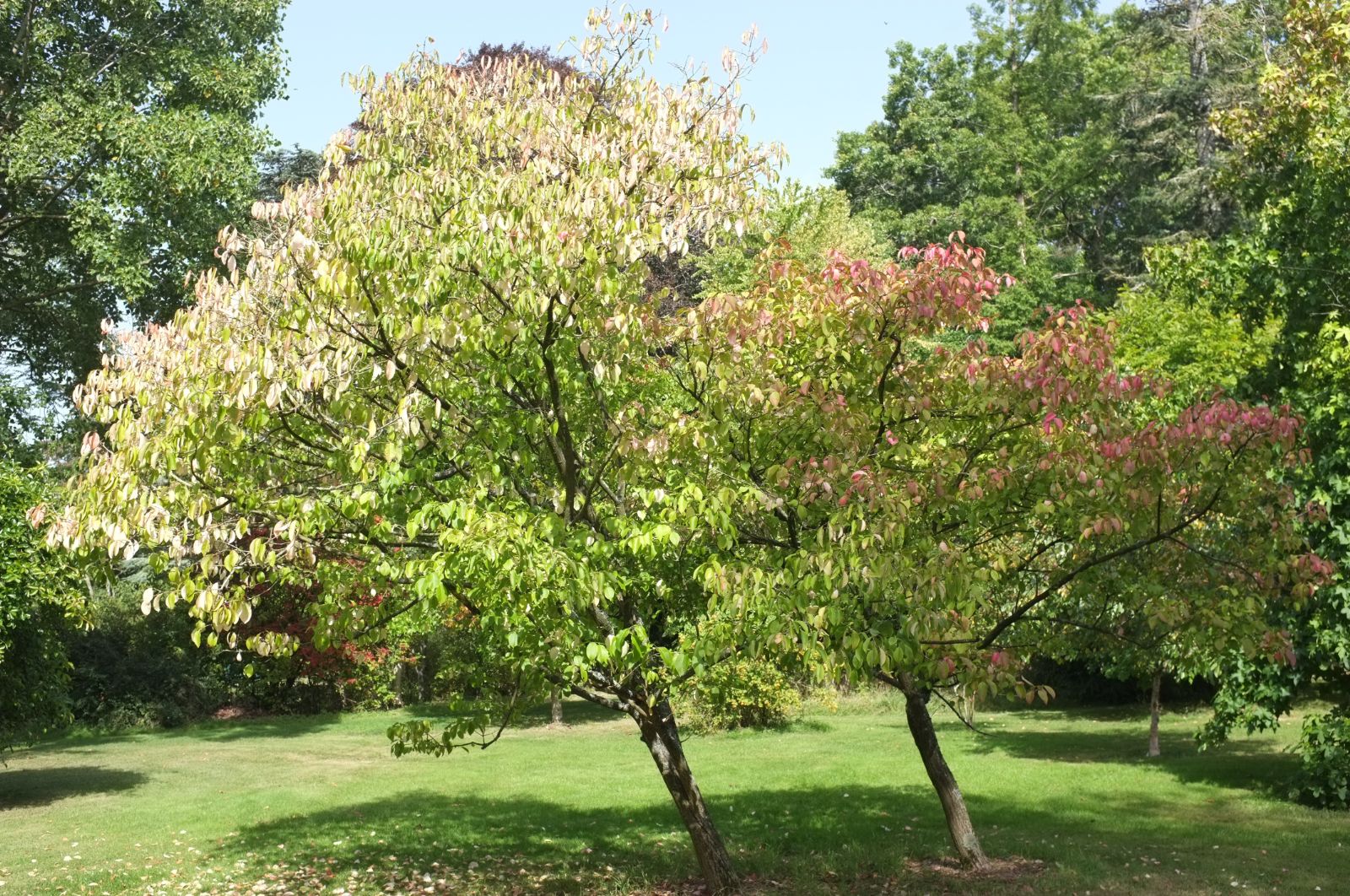
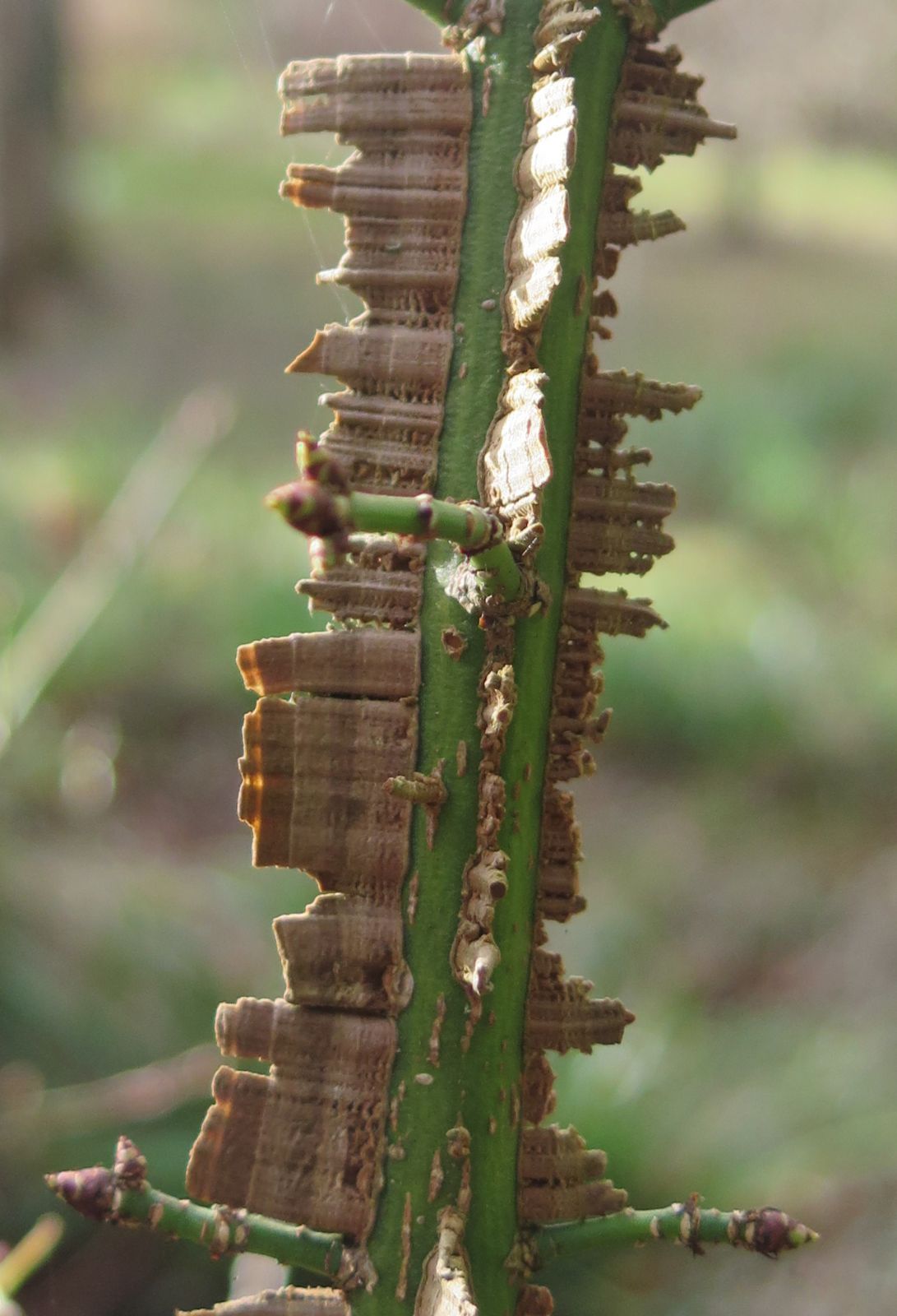
A deciduous shrub 6 to 10 ft high, of vigorous spreading habit; young shoots glabrous, furnished with four conspicuous corky wings, which give them a square shape. Leaves oval to obovate, slender-pointed, tapered to almost rounded at the base, finely and bluntly toothed; 2 to 41⁄2 in. long, 1 to 2 in. wide; dullish green above, strongly veined beneath, glabrous on both sides; veins in seven to eleven pairs; stalk 1⁄4 to 1⁄2 in. long. Flowers three to seven on a cyme less than 1 in. long; anthers purple. Fruits four-lobed, four-angled, 1⁄2 in. wide, rich rosy red; aril deep red.
Native of Kansu and Shensi, China; collected in the latter province by Giraldi in 1894. The plants in cultivation were introduced by Farrer under his number 392. At Highdown, near Worthing, there is a large bush raised from this seed. E. phellomanus is quite hardy at Kew and has borne fruit there. Its most conspicuous feature is the corky-winged young shoots, and on that account it can only be confused with E. alatus. But it is quite distinct from alatus in the larger, longer-stalked, conspicuously net-veined leaves. The deeply divided (almost separate) egg-shaped lobes of the fruit of E. alatus are also very distinctive.