Catalpa speciosa Teas

TSO logo

Sponsor

Kindly sponsored by
Nicholas Barber CBE

Credits

Martin Deasy, Richard Olsen & John Grimshaw (2025)

Recommended citation
Deasy, M., Olsen, R. & Grimshaw, J. (2025), 'Catalpa speciosa' from the website Trees and Shrubs Online (treesandshrubsonline.org/articles/catalpa/catalpa-speciosa/). Accessed 2026-08-08.

Family

  • Bignoniaceae

Genus

Common Names

  • Northern Catalpa
  • Western Catalpa
  • Hardy Catalpa
  • Early Flowering Catalpa
  • Bois Chavanon

Synonyms

  • Catalpa bignonioides var. speciosa Meehan
  • Catalpa cordifolia J.St.-Hil., nom. illeg., not Moench

Glossary

corolla
The inner whorl of the perianth. Composed of free or united petals often showy.
extrafloral
Outside the flower. Used to describe nectaries situated on vegetative parts of a plant.
inflorescence
Flower-bearing part of a plant; arrangement of flowers on the floral axis.
morphology
The visible form of an organism.
phenology
The seasonal timing of events in the life cycle of a plant or animal and the study thereof.
pollen
Small grains that contain the male reproductive cells. Produced in the anther.
pollination
Act of placing pollen on the stigma. Various agents may initiate pollination including animals and the wind.

References

Credits

Martin Deasy, Richard Olsen & John Grimshaw (2025)

Recommended citation
Deasy, M., Olsen, R. & Grimshaw, J. (2025), 'Catalpa speciosa' from the website Trees and Shrubs Online (treesandshrubsonline.org/articles/catalpa/catalpa-speciosa/). Accessed 2026-08-08.

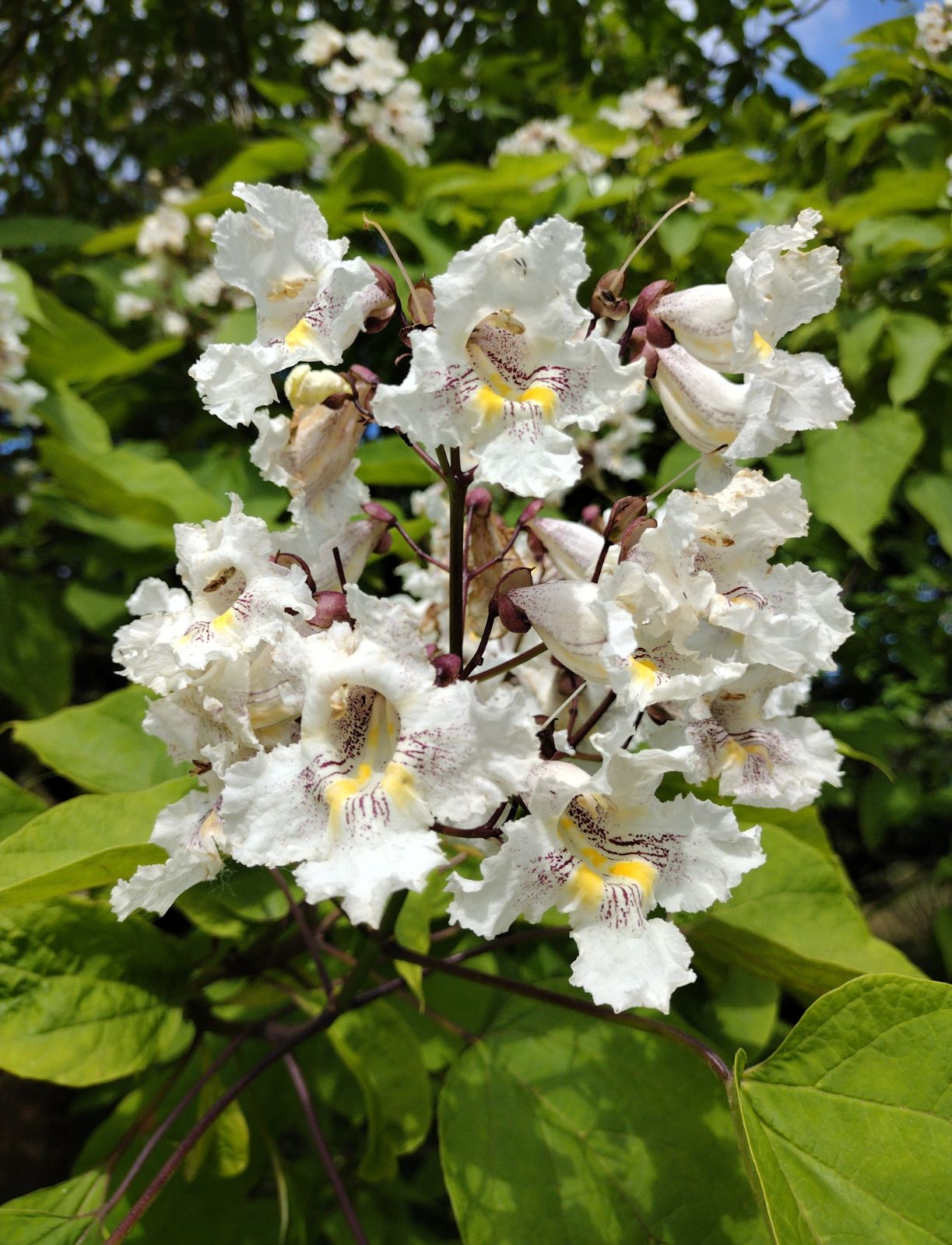
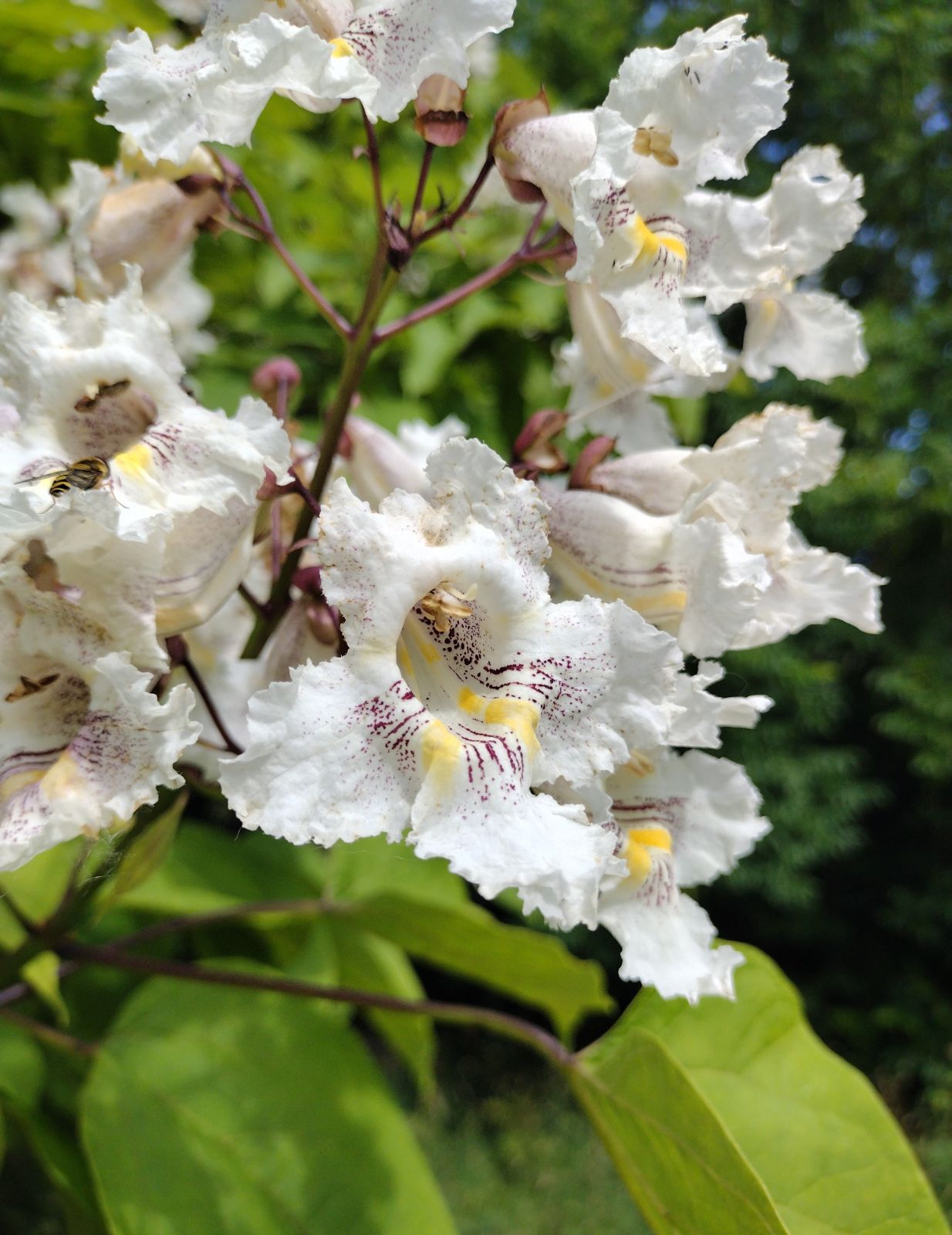
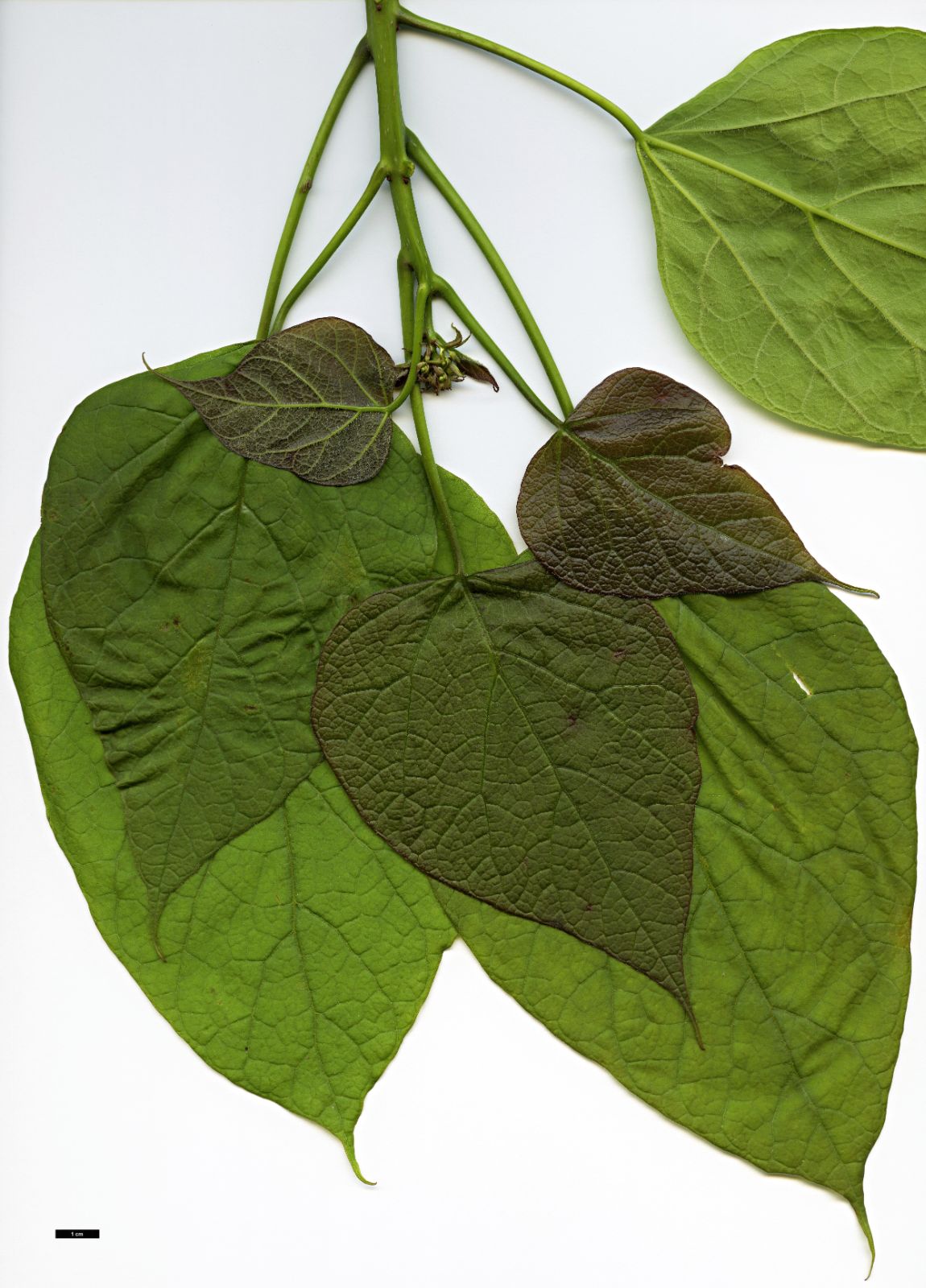
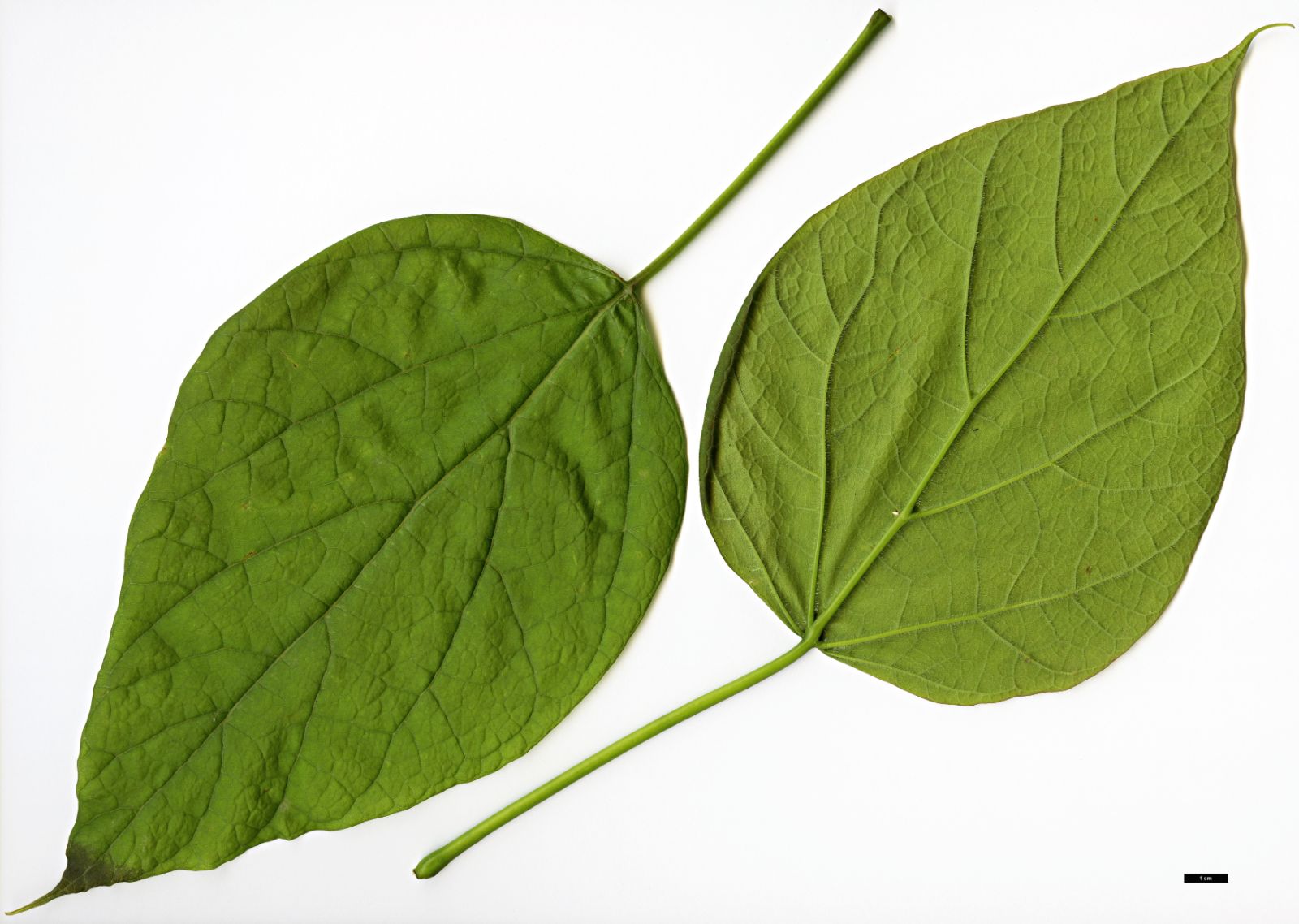
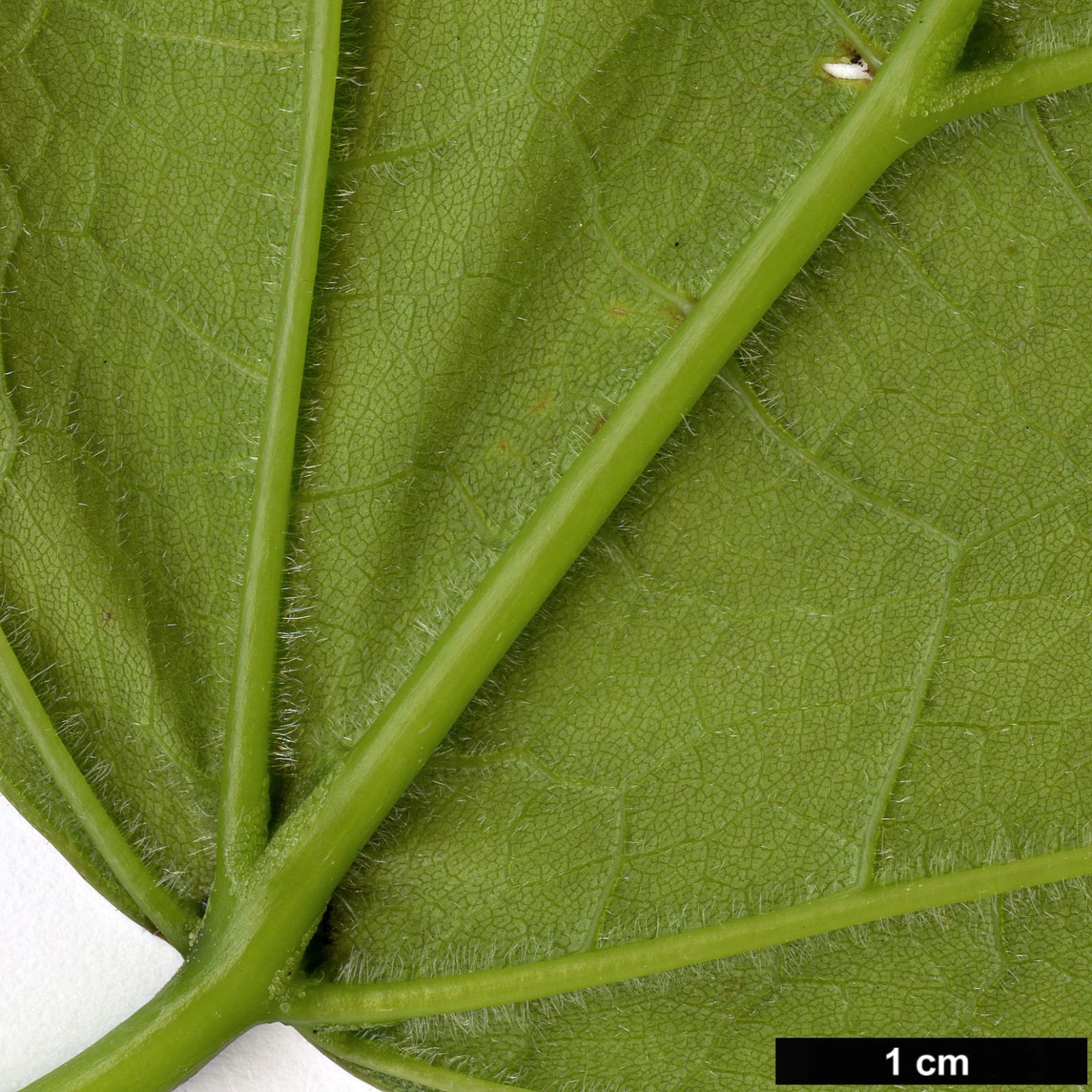
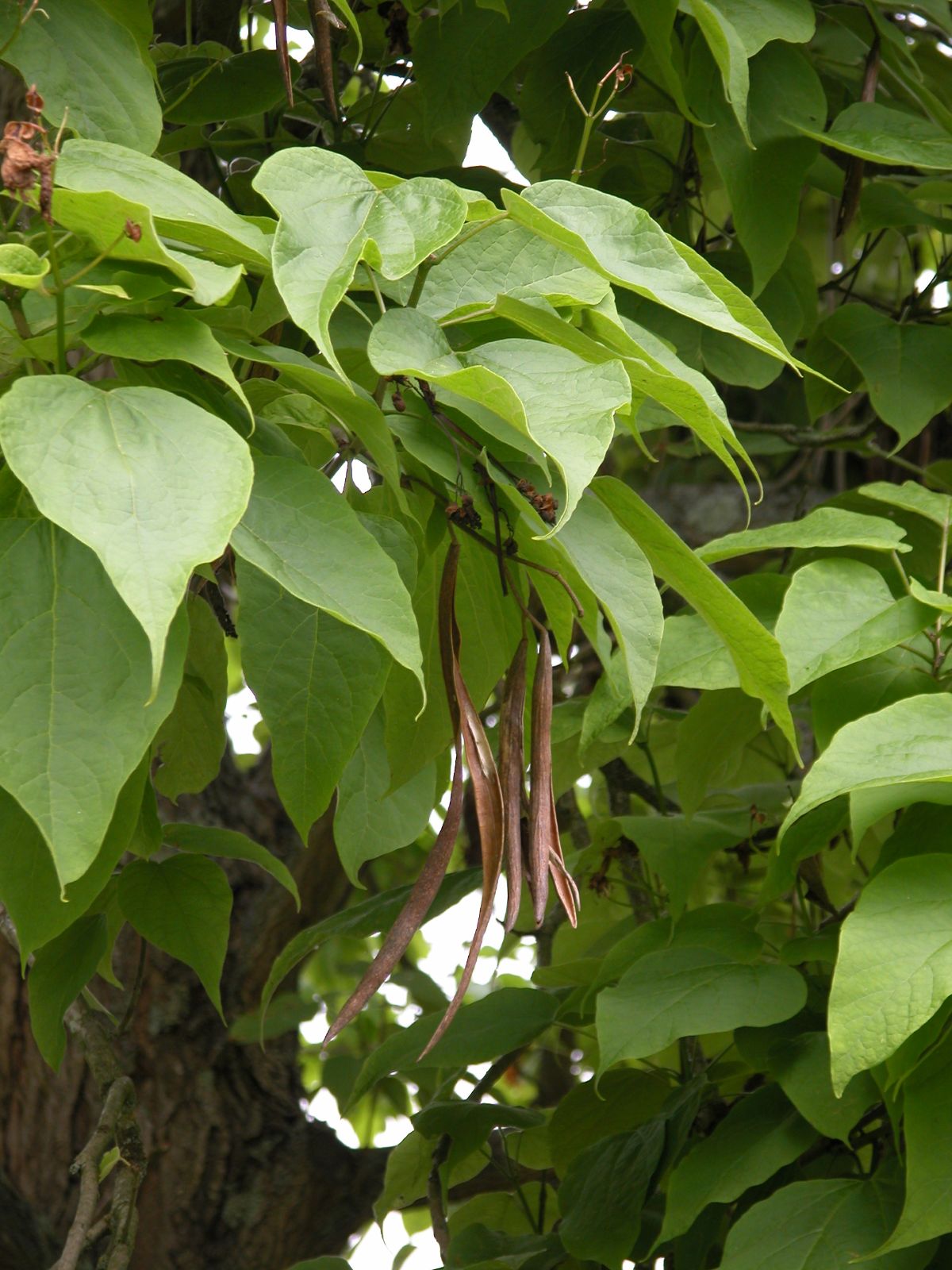
Deciduous trees (1–)6–24 m tall, bark smooth when young, vertically furrowed on old trunks. Young stems glabrous, glandular, usually with scattered lenticels. Leaves in whorls of three, unequal in size within each whorl, inodorous, petioles 10–16 cm long, lamina entire (rarely bi- or trilobate), papery, ovate to broadly ovate, 15–40 × 12–25 cm, base cordate, truncate or obtuse, apex acuminate, midrib with 5 or 6 arcuate secondary veins on each side and 1 or 2 at base, ± glabrous above with slightly villous veins, densely villous and villous-veined beneath, each leaf with 2–8 extrafloral nectaries on the underside consisting of dark brown areas of closely-packed glandular trichomes in the axils of the basal veins. Inflorescence a conical thyrse of 28–40(–75) flowers, with 3 or 4 whorls of 3 branches evenly spaced along the rachis and an apical flower, rachis and peduncles glabrate to villous with scattered lenticels. Flowers with pedicels 5–20 mm long, glabrate, glandular, a whorl of 3 small needle-shaped bracts near base or middle of pedicel, frequently damaged or lost on older flowers; calyx calyptrate, light-bulb-shaped in bud, 8–13 × 8.5–11.5 mm, purple to greenish purple, glandular, splitting at anthesis into two or rarely three lobes; corolla white, corolla tube (2.3–)2.5–4 cm long, widening from base to 13–19 mm at throat, three lower and two upper lobes spreading, frilled, lower lobes longer with rows of purple dots along veins and into tube, two keyhole-shaped bright yellow spots at tube mouth, turning dark red with age; stamens and staminodes white, inserted at base of tube; ovary approx. 3 mm long, glabrous, green, 2-carpellate; style 20–28 mm long, glabrous, white; stigma 1–2 mm long, white, 2-lobed. Fruit a many-seeded capsule resembling a long green bean, 1–3 per infructescence, 20–55 × 1–1.7 cm, dehiscing from apex to base. Seeds flattened, oblong, with connate brown hairs forming an obtuse ragged fringe at either end. (Olsen & Kirkbride 2017, Stephenson 1981).

Distribution  United States Missouri, Arkansas, Illinois, Indiana, Kentucky, Tennessee, northeastern Texas

Habitat River valleys, prefers humid environments. Cultivated in temperate regions, frequently naturalised as an escape.

USDA Hardiness Zone 4-8

RHS Hardiness Rating H6

Conservation status Least concern (LC)

Catalpa speciosa is indisputably the finer of the two North American species, hardier and more attractive than C. bignonioides, though still upstaged by it both in cultivation and in the collective horticultural imagination. Perhaps this just reflects the fact that it was a latecomer on the scene, having been hiding in plain sight, as it were, in the shadows of its better known sister species. As Kirkbride & Olsen (2011) note in their account of the tree’s early history, it was not until the second half of the nineteenth century that American horticulturists finally recognised that the catalpas found across a broad swathe of the continent east of the Rockies consisted of not one, but two species.

Early settlers in the southeastern United States had long appreciated the qualities of the ‘Indian Bean Trees’ native to the lower reaches of the Mississippi and its tributaries, and the catalpa – that is, the Eastern Catalpa, C. bignonioides – was introduced into New England as an ornamental species during the 1700s. The following century it was planted as both an ornamental and a quick-growing plantation tree in the Midwest, where horticulturists began to notice that the flowering time of their catalpas fell into two distinct groups, one consistently a fortnight ahead of the other, a characteristic noted as early as the 1840s by the Heidelberg-trained botanist George Engelmann who had settled in St. Louis, Missouri (Roberts 1902). The Cinncinati doctor, John A. Warder, surprised to find the catalpas in Dayton, Ohio in full flower in June 1853, two weeks ahead of those in Cincinnati, was informed that it was common knowledge that there were two kinds of the tree, one of which was earlier flowering, of better form, and with larger, finer foliage and showier flowers (Warder & Steele 1853). The gradual realisation that there were two distinct varieties – if not two species – of the tree was crystallised by the exceptional winter freezes of 1855 and 1856, which killed to the ground most of the ‘Georgia catalpas’ planted from eastern seed (Warder 1881), while the earlier-flowering ‘western’ trees escaped injury and thrived. The name C. speciosa was applied commercially to the western form of the tree by the Indiana nurseryman J. C. Teas as early as 1866, though the name was not validly published until 1875 (Teas 1866, Kirkbride & Olsen 2011).

Besides its hardiness and early flowering, Catalpa speciosa differs from its sister species in its more upright and regular habit. In the field, it is easiest to distinguish by the bark, which is vertically furrowed (not exfoliating in plate-like scales). The inflorescences have fewer, but larger flowers, and the bean-like fruits are shorter and fatter. The hairs at either end of the seeds form a short brush-like fringe, without being drawn out to a point.

Roberts (1902) noted the occurrence of intermediate forms, and Dirr (2009) remarked that the bark of some individuals of C. speciosa can be platy, not furrowed. It has been suggested that C. bignonioides and C. speciosa may represent the two ends of a continuum of variation, and that ‘there is possibly only one biological species’ (Manning 2000), but in practical terms, the two species are universally recognised. Differences in phenology are a significant driver of speciation, so the importance of flowering date in separating these otherwise very similar species is significant. Often difficult to isolate from variable environmental factors, the difference in flowering time between the two species of Catalpa is remarkably consistent, and it is not coincidental that Catalpa formed the subject of one study of what constitutes ‘difference’ in such cyclic patterns (Estabrook et al. 1982).

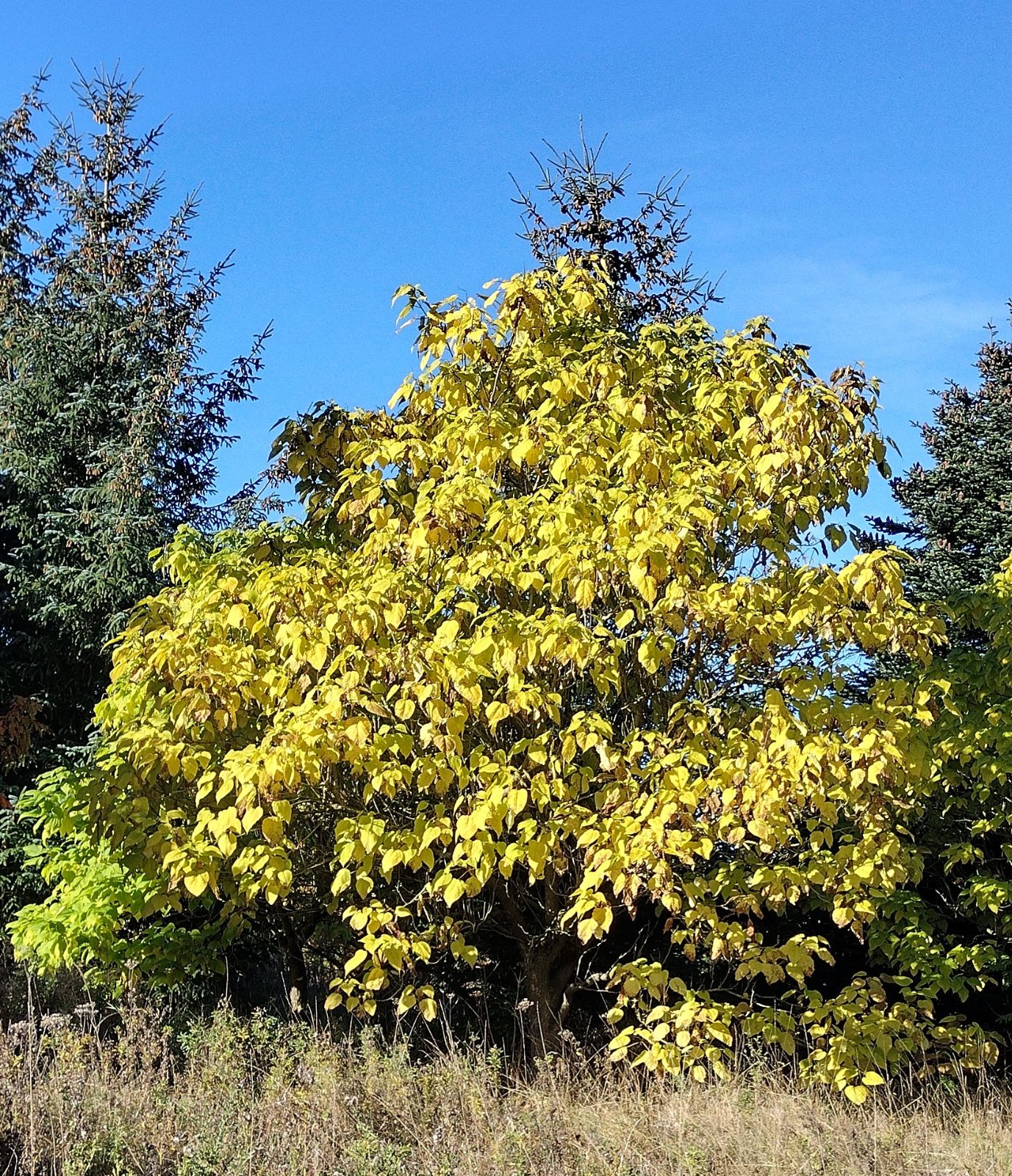
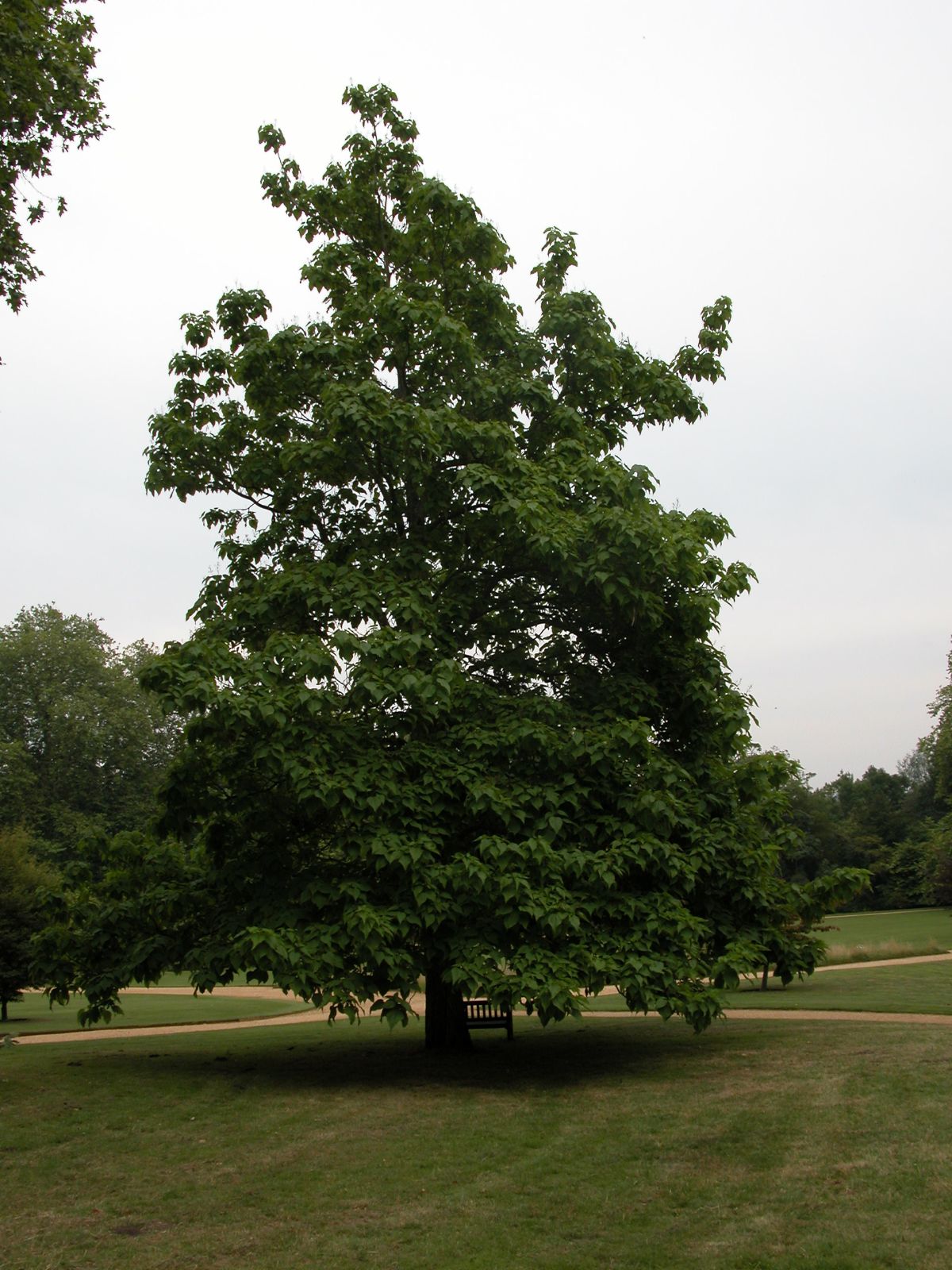
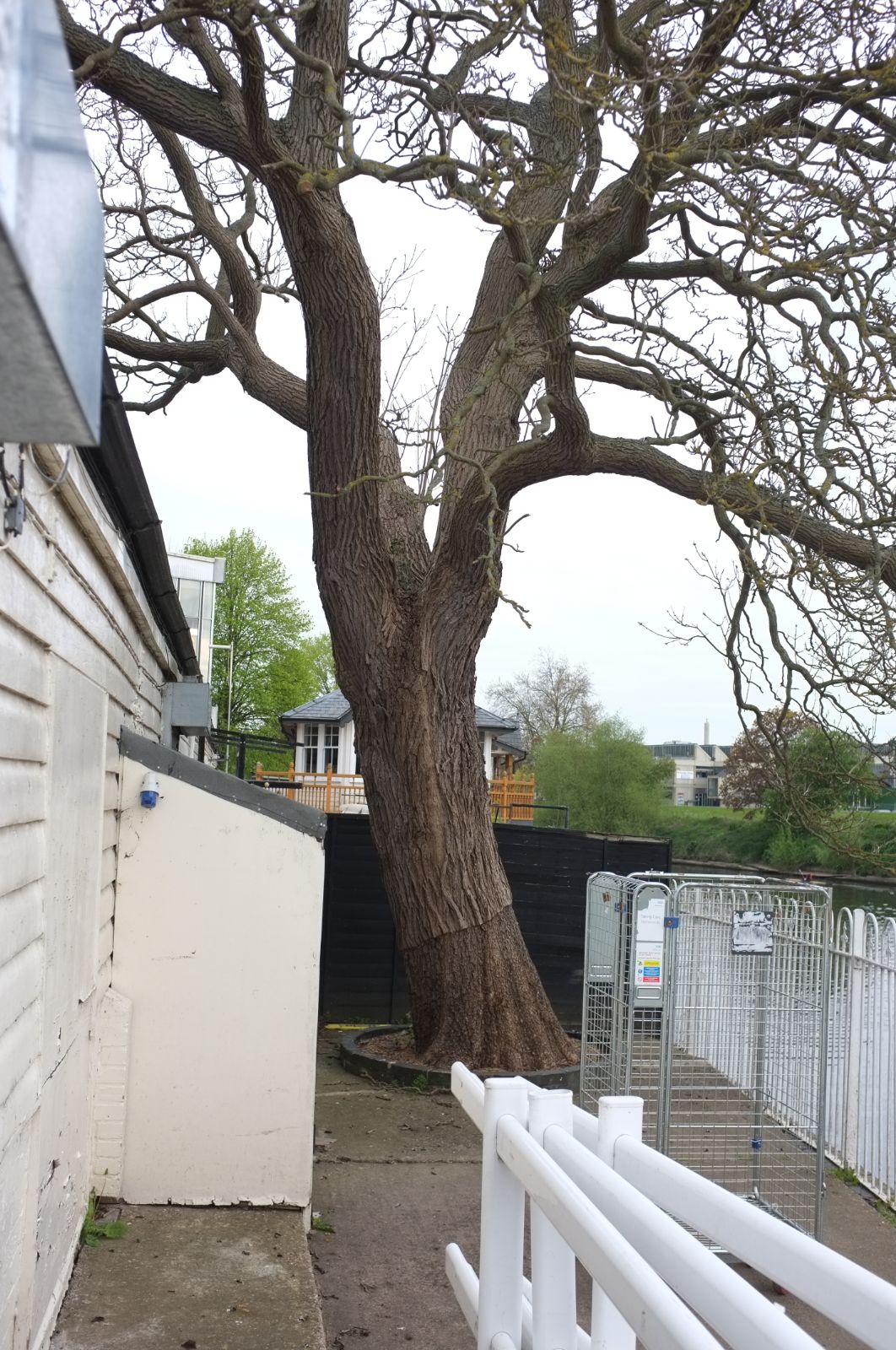
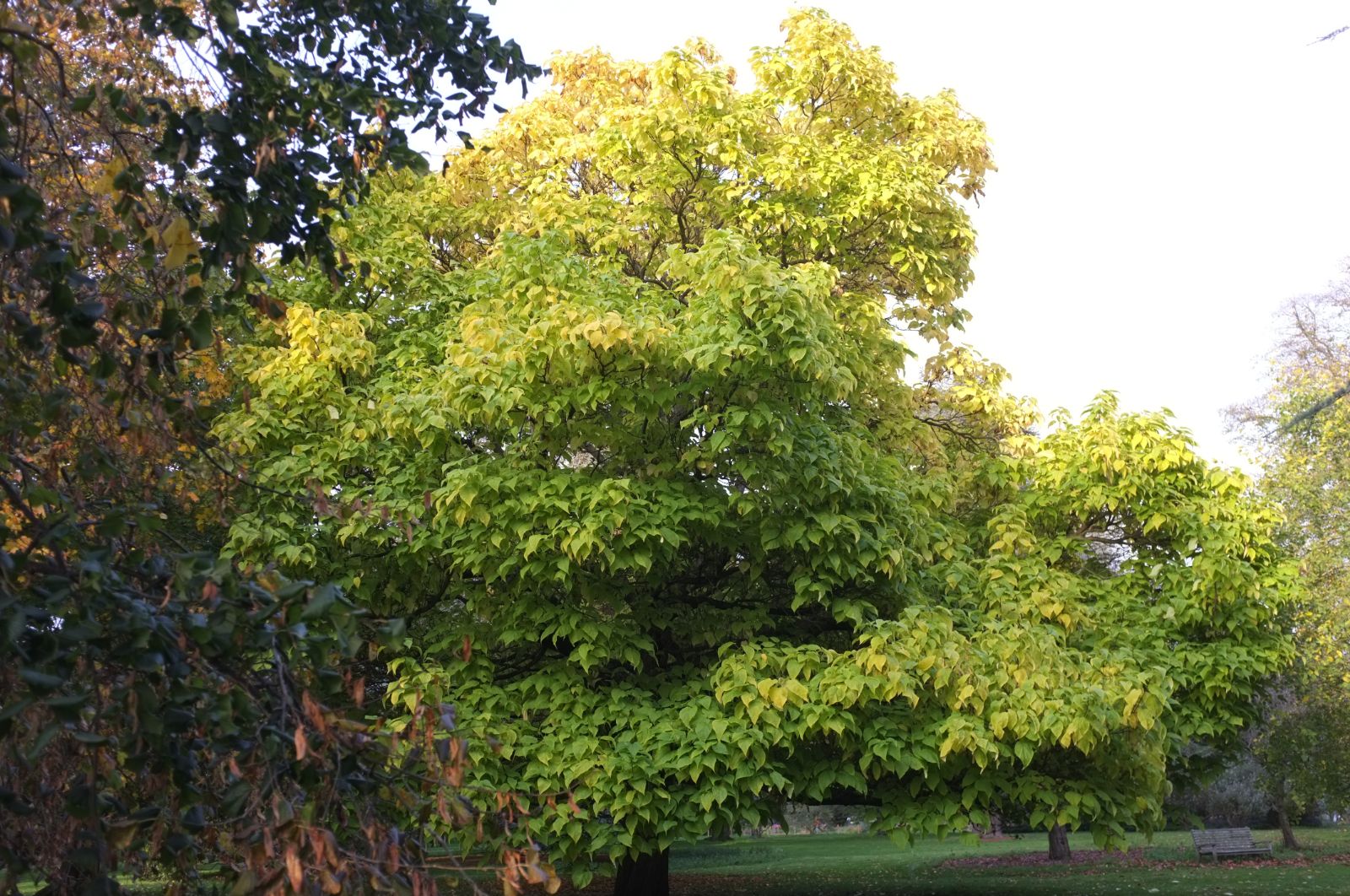
Seen as a wild forest tree, or when grown in close company, C. speciosa can exceed 30.5 m (Bean 1976), and heights up to 45 m and girths to 6.4 m have been claimed (Sargent 1894, Record 1906). Grown as a specimen, however, the species tends to form a broad spreading tree of medium height, with a luxuriant crown whose diameter may equal or exceed its height. The champion tree cited by Dirr (2009) is typical of this habit (height 25 m, spread 27.4 m); the current (smaller) United States record-holder measured in 2020 has similar relative proportions (21.5 m × 21.5 m) (National Champion Tree Program 2024). The turnover of British C. speciosa champions is high, few individuals holding the crown for long. This probably reflects both the mechanical and physiological thresholds of the trees’ initial phase of vigorous growth, and the trade-offs between viability and liability faced by those responsible for managing senescent trees in twenty-first century public landscapes (C. speciosa has a reputation for retaining dead branches on the tree, facilitating rot where they attach to the trunk (cf. Roberts 1902)). The largest British specimen (planted in 1913) grew in the gardens of Worcester College, Oxford until its demise following a storm in 2022. Positioned close to a tall building, it was less spreading in habit, measured in 2018 at 22.8 m tall, 3.76m girth at 1.5 m (Worcester College Gardeners 2018).

Perhaps more than any other tree, C. speciosa symbolises the energy and optimism of the American push westwards, its discovery and history in cultivation inextricably bound up with the railroad, whose hunger for timber for track sleepers (‘rail ties’) was as insatiable as Midwestern farmers’ need for fence posts and telegraph poles. The best features of the timber – lightness, strength, resistance to rot – acquired for the tree an almost legendary reputation, vaunted in pamphlets such as those by Eliam Barney (1878, 1879). A much quoted anecdote, originally disseminated by Barney (inaccurately repeated by Roberts 1902 and many later authorities), relates to a standing forest of dead Western Catalpas in a lagoon created by land subsidence following the 1811–1812 earthquakes in New Madrid, Missouri. Barney published testimony from a railroad surveyor who had been told by a Mississippi ferryman, around 1866, that after more than half a century all of the other species had succumbed to decay except the catalpas, which remained standing and ‘perfectly sound’ (Barney 1878). Reports of this kind, coupled with a sense of urgency arising from dwindling supplies of slow-growing hardwoods such as White Oak (Quercus alba), set the stage for what Del Tredici (1986) has aptly dubbed ‘the great catalpa craze’, in which the species was widely planted as a short-rotation cash crop. In parts of the United States outside its native range the species can be moderately invasive (Invasive Plant Atlas of the United States 2025).

There is no doubt that in general the timber is moderately resistant to attack by both saprophytic fungi and insects, largely (it is presumed) because of the unusual rapidity with which living sapwood is converted to heartwood: the sapwood consists of only one to two annual rings, in comparison to the 80–100 of, say, Nyssa sylvatica (Sargent 1922). But the anecdotal testimonies of Barney and his ilk were never experimentally confirmed. In point of fact, when in contact with soil, the heartwood’s resistance to rot is not impregnable, as a number of disappointed reports indicated (Scott 1912). In response, the tree’s defenders stressed the importance of seasoning and the initial grading of timber; but the failure to live up to commercial hyperbole also seemed to call for special explanations, among them Roberts’ assertion (1902) that that winter-felled timber ‘shows no special immunity to the attacks of fungi’ because it contained sap that had been drawn back into the trunk (a hypothesis that takes little account of either wood anatomy or plant physiology).

It is clear that Catalpa speciosa was selected and cultivated in the American Midwest long before it was recognised as a distinct species: the Dayton catalpas admired by Warder (1853) were said to have been raised from seeds originating from two superior trees growing on a nearby farm. In contrast, the question of the species’ first introduction to Europe is less straightfoward. Bean (1976) gave a date of 1880, but may be out by more than 125 years, since Duhamel (1755) includes an uncoloured woodcut that can plausibly be referred to C. speciosa on the basis of its characteristically open, few-flowered inflorescence. Kirkbride & Olsen (2011) cautiously describe Duhamel’s print as ‘atypical of C. bignonioides’, but circumstantial evidence supports the identification as C. speciosa. The natural range of C. speciosa falls within what was then France’s North American colony, French Louisiana (stretching from the Mississippi basin northwards to the Great Lakes), so the presence in France of catalpa seed sourced from populations west of the Alleghenies is easy to account for in historical terms: Duhamel stated that catalpa seed ‘is sent to us from Carolina and Louisiana’. The early date is tacitly accepted by Dirr (2009), who gives 1754 as the year of introduction, presumably based on Duhamel’s assertion that his seedlings had survived the French winter of 1754.

Whether Duhamel’s tree was an isolated specimen is unknown, as is the duration of the species’ persistence in French horticulture. Evidently unaware of Duhamel’s original print, both Elwes and Henry (1912) and Sargent (1894) cited Redouté’s 1804 illustration of C. cordifolia from the Nouveau Duhamel (Duhamel du Monceau 1804) as proof of C. speciosa’s former cultivation, though that illustration is in fact more plausibly referred to C. bignonioides on the basis of the heavy purple spotting in the corolla, and the flounced corolla lobes. It is not unthinkable – though quite unlikely – that there could be descendants of historic specimens of C. speciosa growing as ‘lost trees’ in French gardens, though Olsen and Kirkbride (2017) suggest that the lineage of any early French C. speciosa must by now have been absorbed into the C. bignonioides gene pool. It is notable, too, that C. speciosa does not have a reputation for regeneration through layered branches, the condition in which many historic individuals of C. bignonioides have passed down to us – see the entry for that species.

More recent introductions to France were made in the late nineteenth century: plants grown from seed supplied by C. S. Sargent were grown by Lavallée and Maurice de Vilmorin, among others, in the 1870s and 1880s. Those planted at Lavallée’s arboretum at Segrez, near Arpajon, grew quickly and made fine specimens. Bureau (1894) saw large trees covered in fruits at Segrez in 1894, noting that the flowering for that year looked likely to coincide with the other species of Catalpa, at the beginning of July. (Tellingly, he also noted that the plants labelled C. speciosa at the Jardin des Plantes, Paris, were C. bignonioides, and that the two species were probably confused elsewhere.)

In Britain, old specimens of C. speciosa are often found grafted onto stocks of C. bignonioides, a historical practice the reasons for which have been lost, but which has the advantage of clearly demonstrating the differences in the bark (platy in C. bignonioides, vertically furrowed in C. speciosa). Since the tree makes such rapid, straight initial growth (excellent scion material), it may have been found both convenient and economical to maximise productivity by grafting one-year-old shoots onto readily available C. bignonioides stocks. Catalpa ovata (misidentified as C. bungei) was treated this way when first grown in France (see Jacques 1851), and given the similar age of the British grafted trees, these may date back to an early period when C. speciosa material was still not plentiful.

A great deal is known about the ecology of C. speciosa, thanks largely to the work of Andrew G. Stephenson, part of whose career was devoted to a series of seminal studies investigating the species’ intriguing insect-plant interactions (Stephenson 1979, 1980, 1981, 1982a, 1982b). The tree is unusual in having a highly specific dual pollination syndrome, its floral morphology adapted to attract two separate guilds of pollinators – diurnal bees and night-flying moths – that service the tree over a complete 24-hour cycle. By actively modulating the concentration of sugars in its nectar, the tree is able to cater both to the bumblebees and carpenter bees with concentrated nectar (39% sugar concentration), and the nocturnal moths that favour a lighter (24%) concentration (Stephenson & Thomas 1977).

Like its sister species, the Western Catalpa is affected by annual infestations of the Catalpa Worm – the larva of the Catalpa Sphinx moth, Ceratomia catalpae Boisd. In an exemplary piece of natural historical observation, Stephenson (1982) elucidated the role of extrafloral nectaries in boosting the tree’s herbivore-defences by providing a sugar source for beneficial insects – predominantly ants, but also ladybirds and parasitoid wasps – that also prey on the eggs and larvae of pests. The scattered arrangement of the nectaries on the underside of the leaves appears to encourage foraging behaviour, maximising pest-interception rates. As well as demonstrating a direct relationship between ant numbers and improved fruit set, this study showed that the volume of nectar secreted from damaged leaves is significantly greater than from undamaged leaves, as the tree mounts an active response to herbivore damage.

Stephenson (1981) also investigated the general absence of nectar thieves on Catalpa speciosa (surprising in a tree producing such an abundance of high-quality nectar), finding that the nectar elicited abnormal behaviour in insect species other than legitimate pollinators: after consuming the nectar, they ran in circles, fell out of the tree, lay comatose, and were unable to fly – classical symptoms of intoxication (not only in insects). Lepidopteran thieves (skipper butterflies) were also unable to reroll their proboscides after feeding on the nectar (Stephenson 1982). The toxic principles involved were shown to be iridoid glycosides, which are in fact the same chemicals that elicit a feeding response in the Ceratomia larvae (Nayar & Fraenkel 1963, Stephenson 1982).

In humans, dermatitis has been reported after handling the flowers, and even the flower’s odour has been reported poisonous (Steyermark 1963), though this may perhaps represent an allergic response to the pollen – both of these effects are known from other species of Bignoniaceae, e.g. Campsis (Muenscher 1966) and the Nile Trumpet Tree (Markhamia lutea) (Mridula et al. 2011).


'Frederik'

Propagated from a C. speciosa specimen growing in the garden of the first Horticultural School of the Netherlands at Frederiksoord, by Theo Janson, dendrologist and science teacher at the school. The flowers are of a good size, but any difference from typical C. speciosa is otherwise hard to detect – in fact, Janson’s reason for propagating the tree seems to have been that commercially available C. speciosa consistently turned out to be C. bignonioides (De Coo & Barnier 2015). Sold by Esveld, who give the height as 5 m after 10 years (Esveld 2025).


'Hiawatha 2'

Synonyms / alternative names
Catalpa speciosa HEARTLAND® Catalpa

Narrow, upright growth to 15 m tall, with uniform branching and darker green leaves; suited to use as a street tree. Selected and introduced by Frank Schmidt & Sons, Boring, Oregon (J. Frank Schmidt & Son 2025).