Kindly sponsored by
Nicholas Barber CBE
Martin Deasy, Richard Olsen & John Grimshaw (2025)
Recommended citation
Deasy, M., Olsen, R. & Grimshaw, J. (2025), 'Catalpa ovata' from the website Trees and Shrubs Online (treesandshrubsonline.
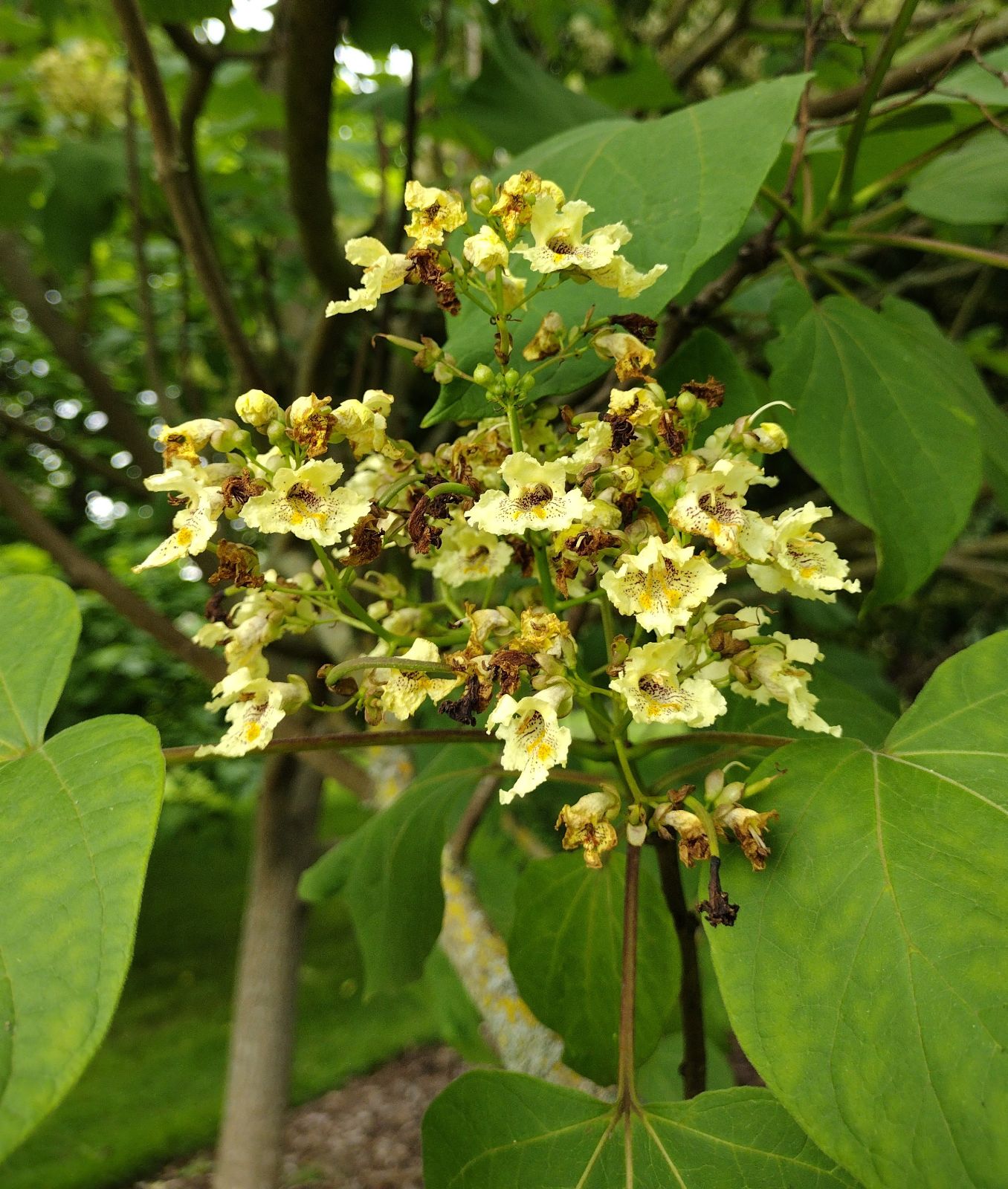
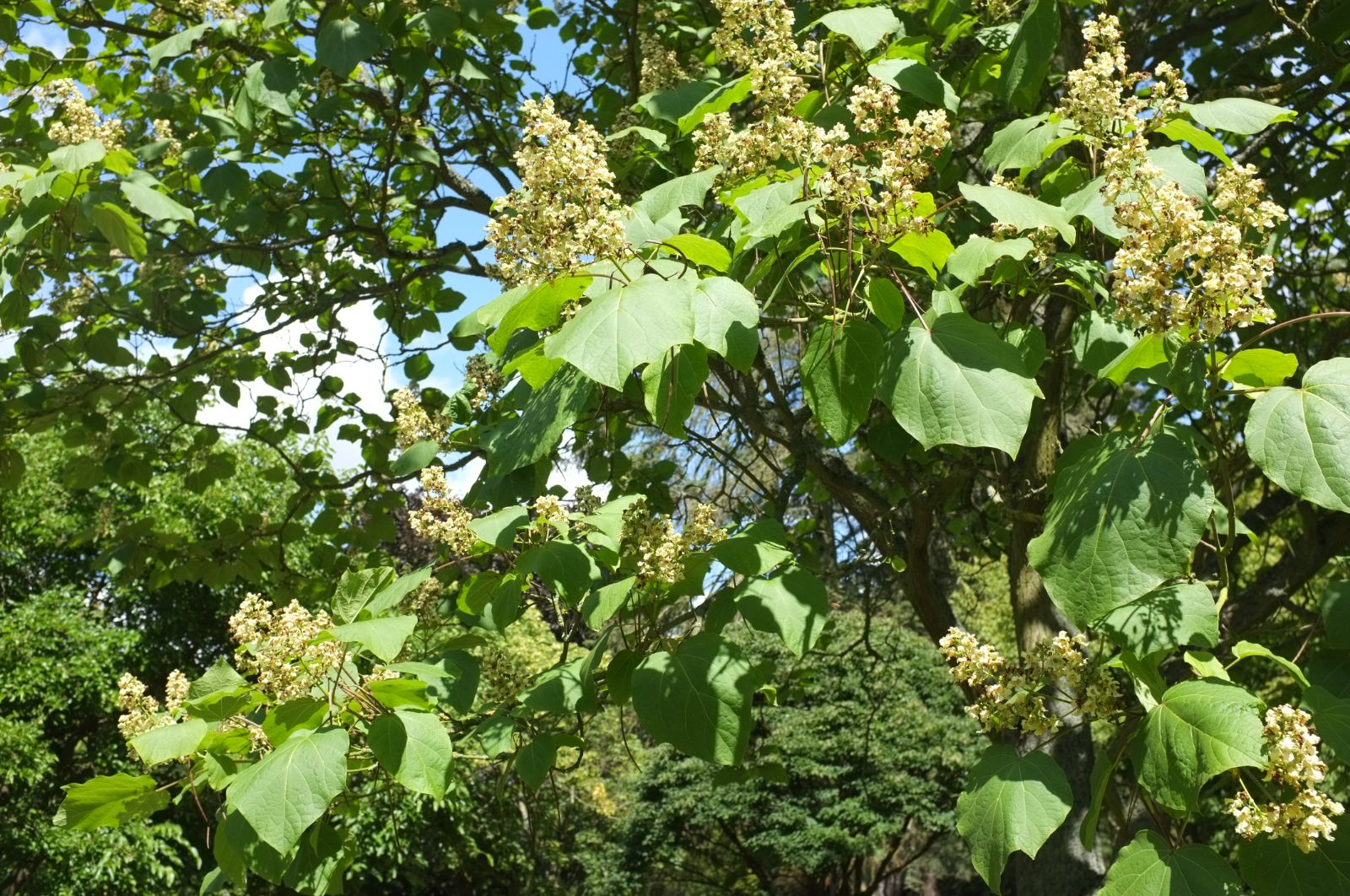
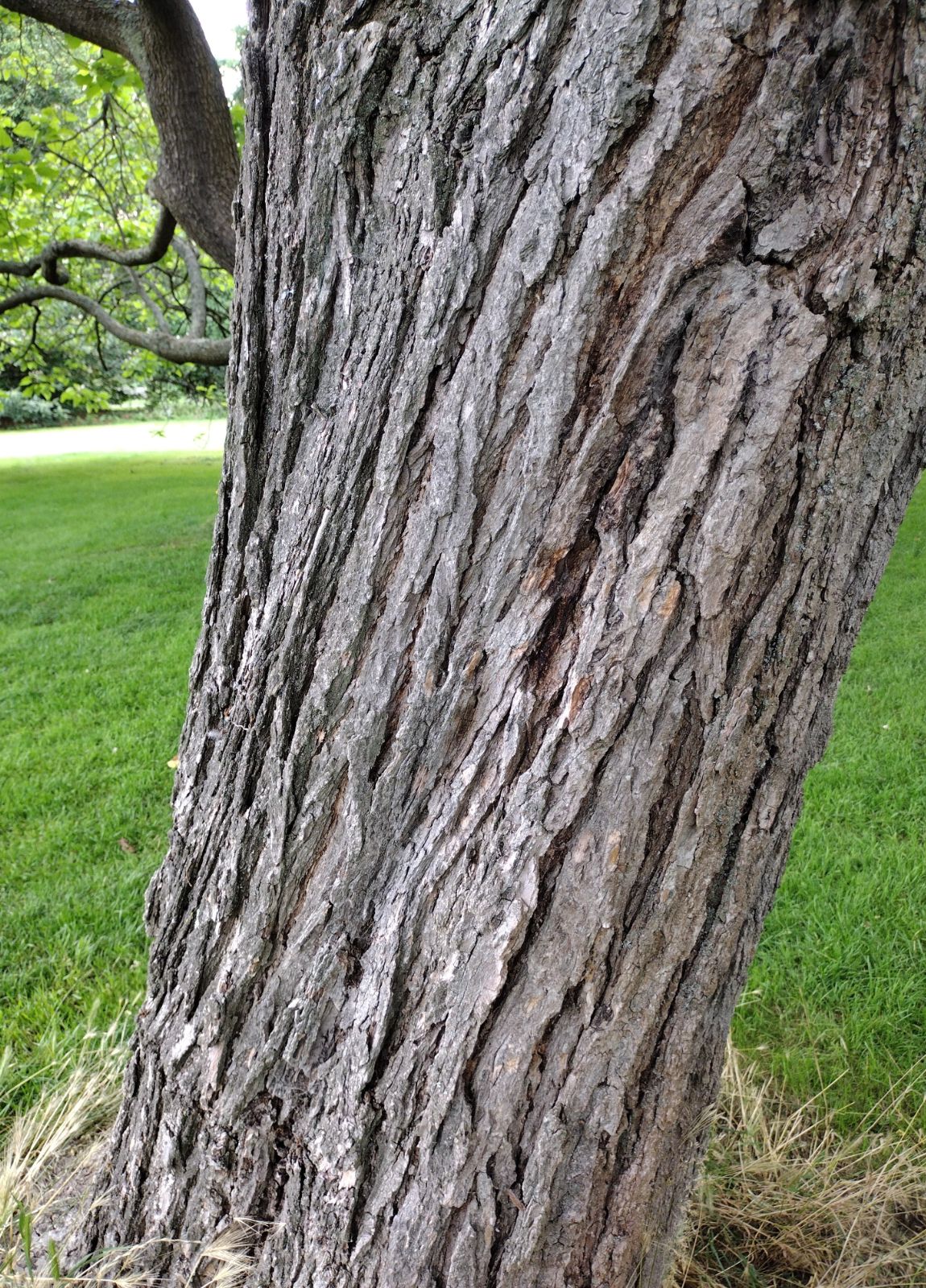
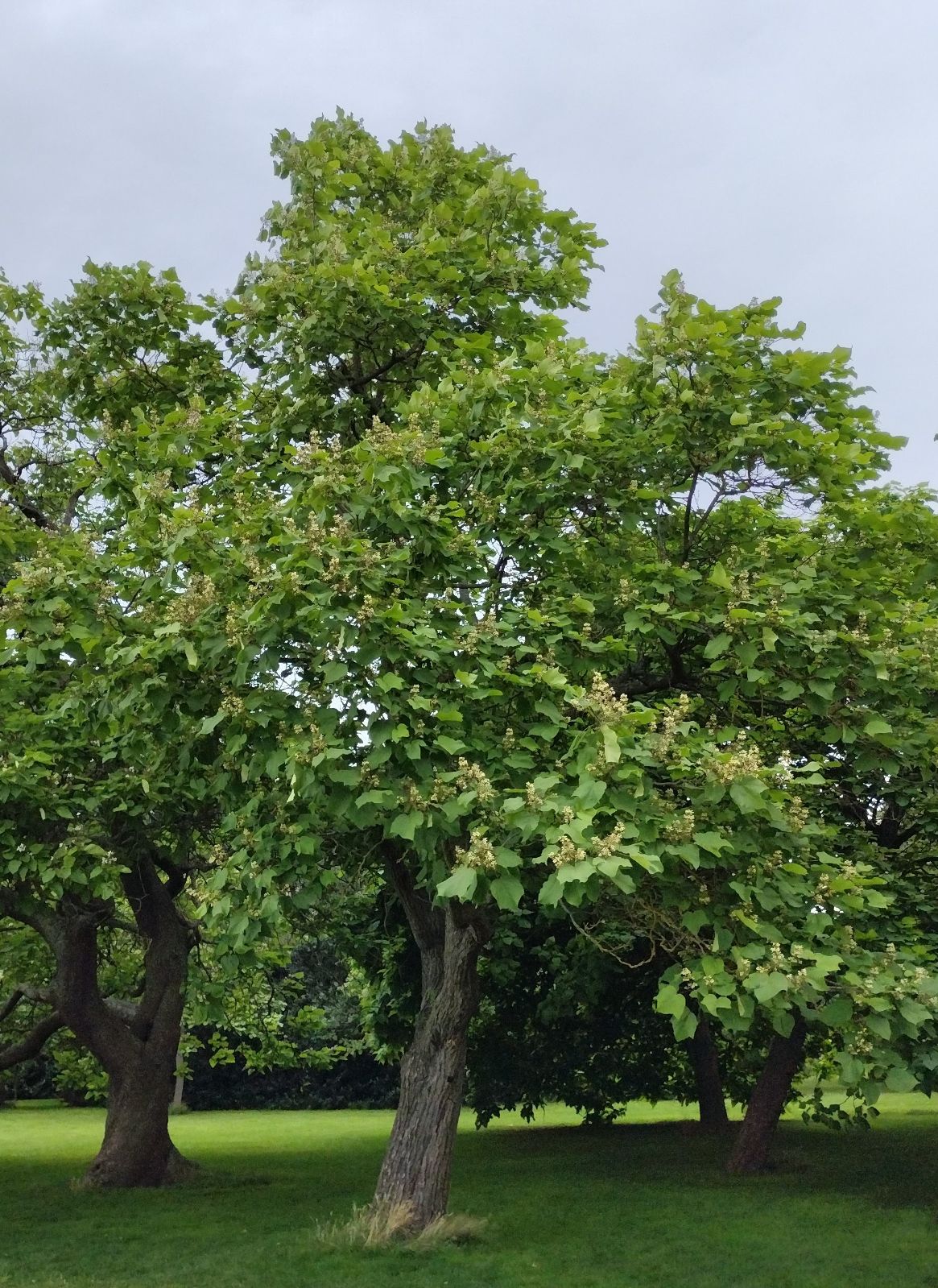
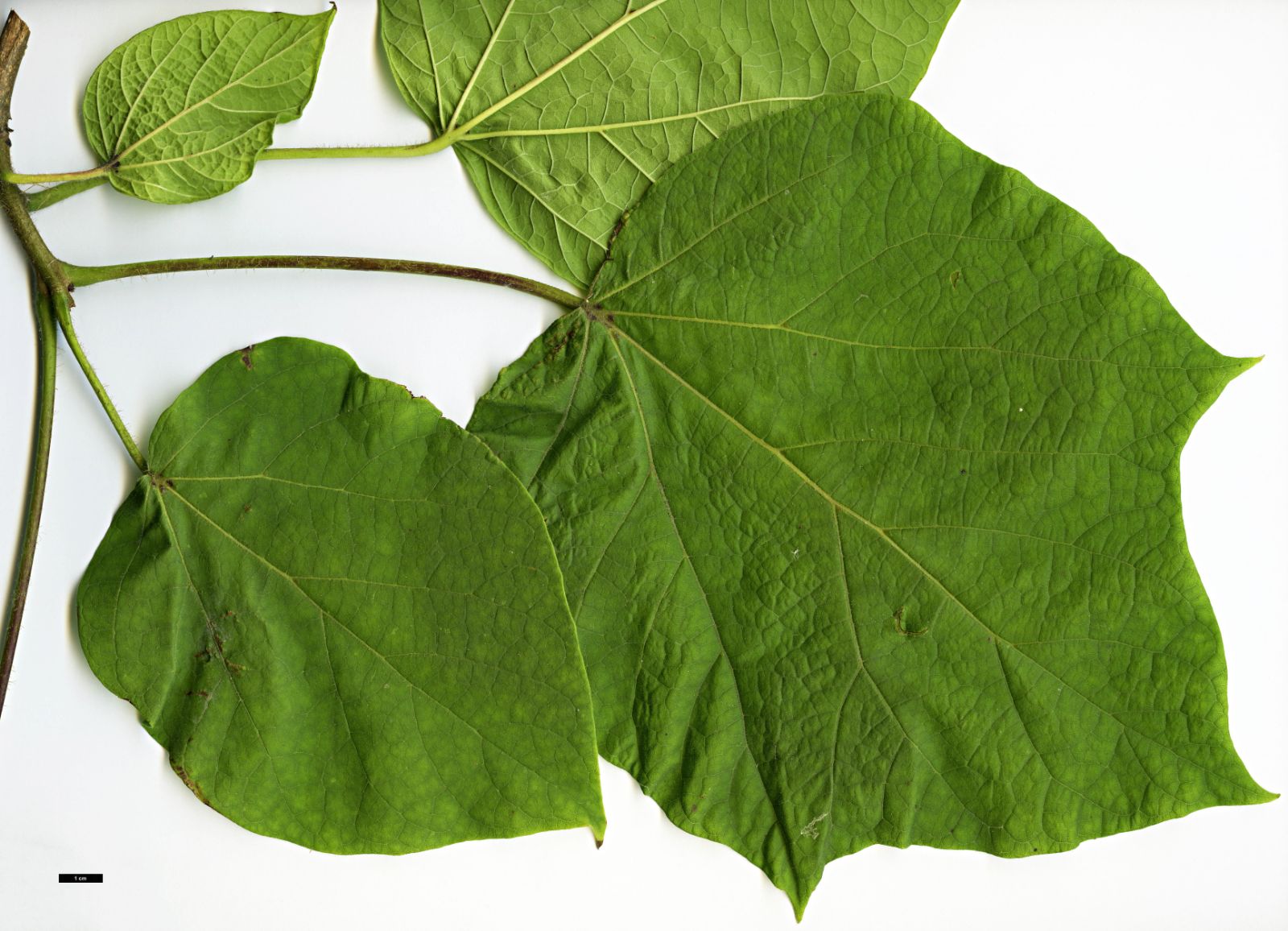
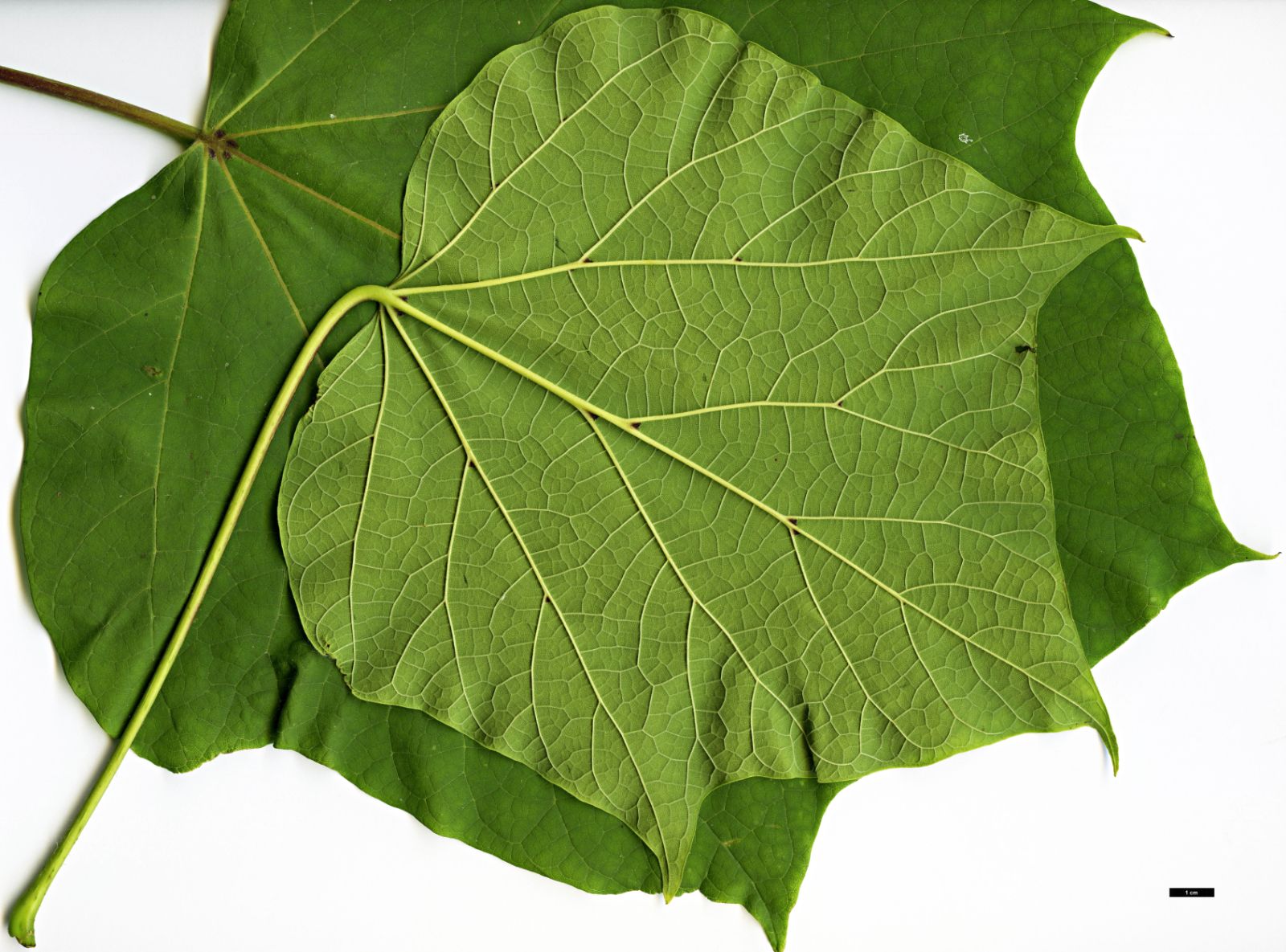
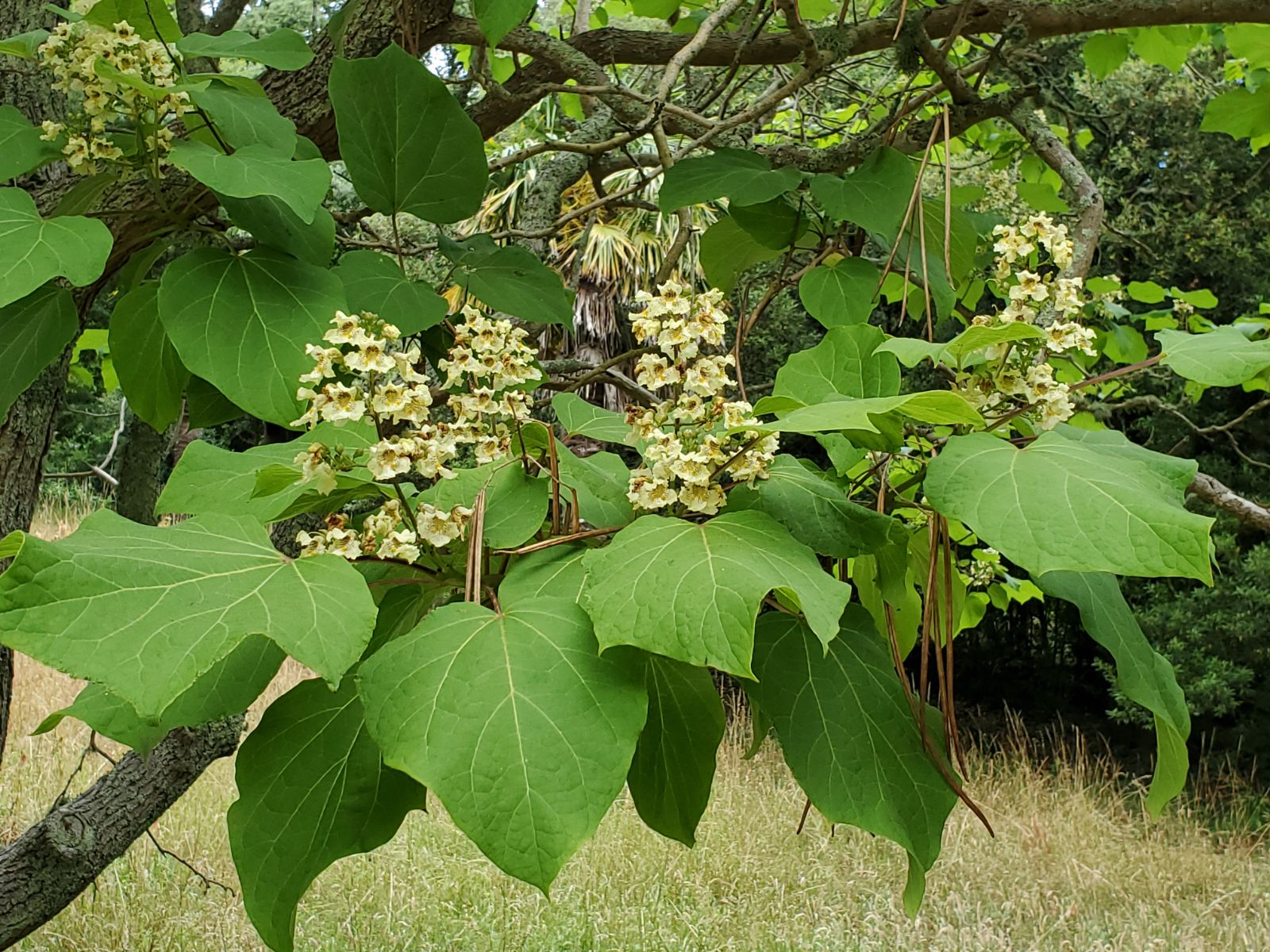
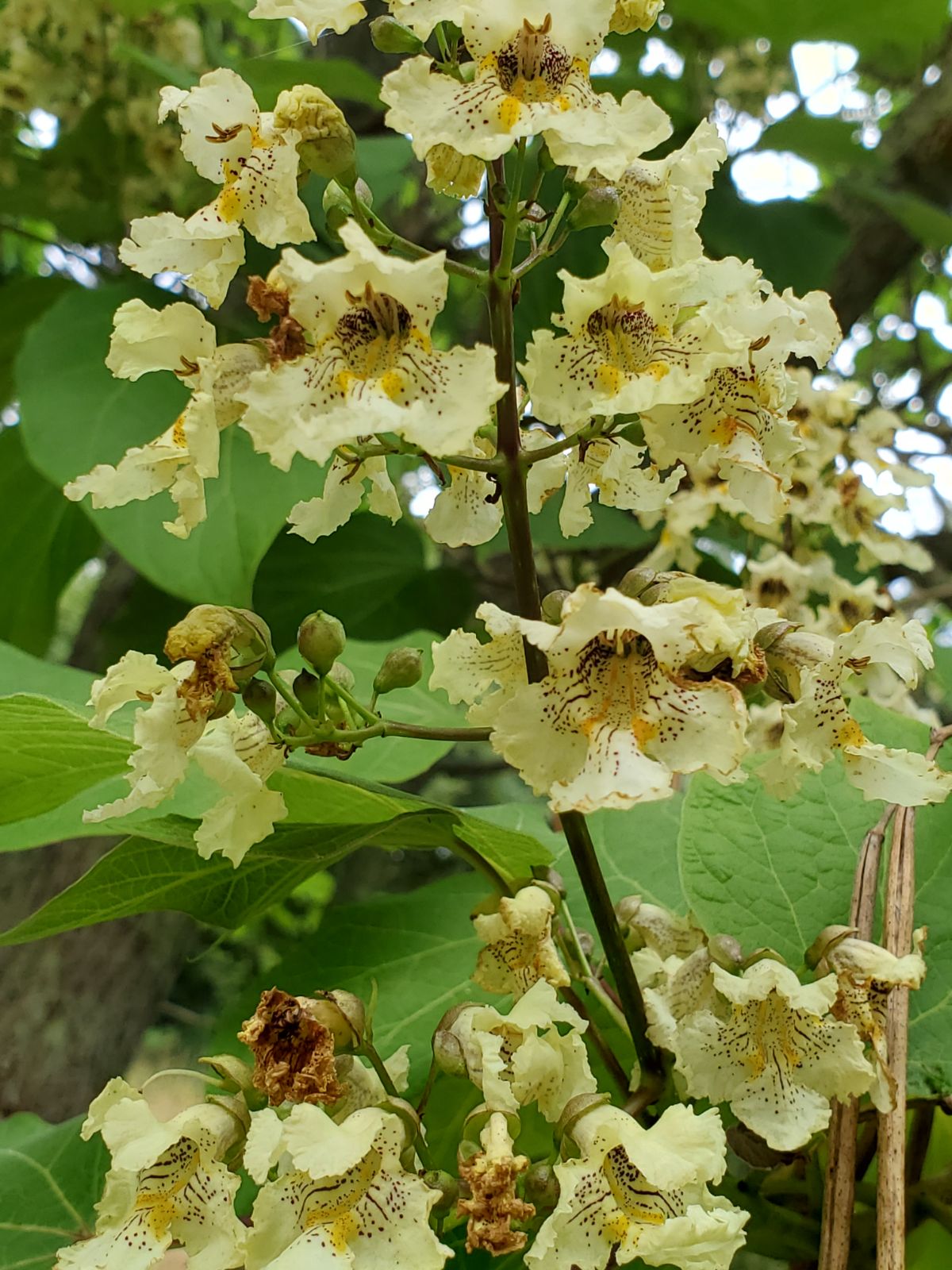
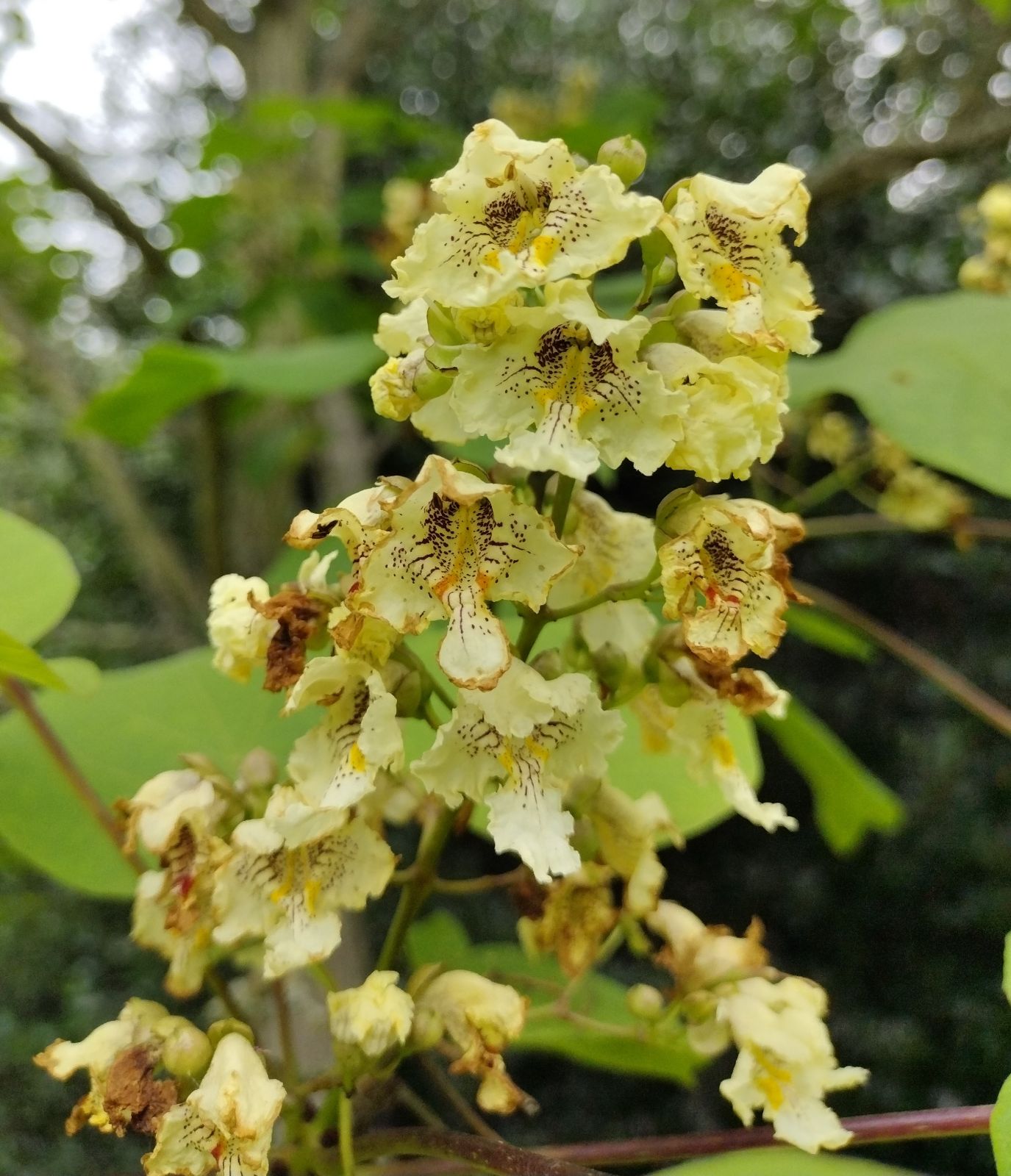
Deciduous trees to 20(−32) m tall, bark smooth when young, vertically furrowed on old trunks; young stems sparsely hirsute, with narrowly elliptic lenticels. Leaves in whorls of three, distinctly unequal in size within each whorl, in some (not all) phenotypes emitting a rank odour when bruised, petioles 6–22 cm long, lamina trilobate, ovate to broadly ovate, 19–33.5 × 20.5−31 cm, base cordate, apex and lobe-apices acuminate, midrib with 4–6 arcuate secondary veins on each side and 2 or 3 at base, papery, both sides sparsely hispidulous, extrafloral nectaries consisting of dark brown areas of closely-packed glandular trichomes in the axils of 1 or 2 basal secondary veins. Inflorescence a conical thyrse of 150–450 flowers, with 6–9 whorls of 3 branches evenly spaced along the rachis and an apical flower, rachis and peduncles glabrate with scattered lenticels. Flowers with pedicels 2–6 mm long, glabrous to glabrate, glandular, pedicel without small bracts; calyx calyptrate, light-bulb-shaped in bud, 5.5–8 × 4–6 mm, green, glabrous to glabrate, glandular, splitting into 2 lobes; corolla yellow, corolla tube 1.1–1.2 cm long, widening from base to 5–8 mm wide at throat, three lower and two upper lobes spreading, frilled, lower lobes slightly longer with purple dots along veins and inside tube, with 2 keyhole-shaped bright yellow spots at mouth of tube on inside between lower lobes, turning dark red with age; stamens and staminodes white, inserted at base of corolla tube; ovary 2 mm long, glabrous, green, 2-carpellate, style 7–9 mm long, white; stigma 1 mm long, white. Fruit a many-seeded capsule resembling a green bean, 20–35 per infructescence, 15–30 × 0.4–0.7 cm, glabrous; seeds oblong, with connate hairs 4–10 mm long at either end, drawn out into an obtuse point. (Olsen & Kirkbride 2017).
Distribution China Anhui, Gansu, Hebei, Heilongjiang, Henan, Hubei, Jiangsu, Jilin, Liaoning, Nei Mongol, Ningxia, Qinghai, Shaanxi, Shandong, Shanxi, Sichuan, Xinjiang, introduced elsewhere.
Habitat Woodland and open places (500–)1900–2500 m asl, plateaux
USDA Hardiness Zone 5
RHS Hardiness Rating H5
Conservation status Not evaluated (NE)
The most commonly grown Asian member of the genus, the yellow-flowered Catalpa ovata is capable of forming a fine tree despite lacking the best ornamental qualities of the other cultivated species. As a wild tree it seems to be most abundant in the central provinces of China, particularly Hubei, where it grows in open woodland and disturbed places. The Flora of China laconically describes its habitat as ‘slopes’ (Zhang & Santisuk 1998), though field notes often mention its presence at the margins of woods and open areas (Rehder, in Sargent 1913) or by roadsides (notes for the Glasnevin Central China Expedition, pers. comm. S. O’Brien 2012), indicating that it may behave as a pioneer species on disturbed ground. Wilson (1913) described it as common on plateaux in northwestern Hubei, though (as is so often the case with the Chinese catalpas) the distinction between cultivated and wild trees is difficult to draw.
Catalpa ovata is more closely related to the North American catalpas than it is to its compatriot C. bungei (Li 2008). Unlike C. bungei, C. ovata fruits copiously, acknowledged in its Mandarin name zi, meaning “son” or “offspring” (Zhao-hong 2007, cited in Grimshaw & Olsen 2011). The species appears to be at least somewhat self-fertile (R. Olsen, unpublished data), and is unique among the catalpas in its precocious ability to flower from seed in two or three years. In China, it has long been cultivated for its rot-resistant timber and planted around homesteads for its ornamental and shade-giving qualities, sometimes featured in Chinese artworks (Valder 1999). The fruit is used in Chinese medicine as a diuretic (Zhang & Santisuk 1998), while a chemical derived from the stems, the quinone dehydro-alpha-lapachone (DAL), has been shown to have useful antifungal properties (Cho et al. 2006). Another extract, catalposide, appears to have anti-inflammatory effects in mice (Kim et al. 2004).
Although it is a Chinese native, C. ovata first became known to Western botanists from trees cultivated or naturalized in Japan, having been introduced from China by Buddhist monks in antiquity, planted around temples. The first European to encounter the tree was Engelbert Kaempfer (1651–1716), physician to the Dutch East India Company in the treaty port of Nagasaki in 1690–1692. He recorded the Japanese name as Ki-sasage, meaning ‘Bean Tree’, just as the American species have long been called in Europe (Kaempfer 1712).
It is sometimes forgotten that C. ovata was the first Catalpa species known to European botanists; indeed modern horticulturists may well be taken aback by eighteenth-century botanists’ easy familiarity with ‘the Kawara-Fisagi of Kaempfer’ long before its eventual introduction as a living plant. Catesby’s discovery of the North American C. bignonioides was exciting, to be sure, but his ‘Carolina’ tree was for a long time generally referred to Kaempfer’s species – indeed, speculation on this topic was one of the earliest stirrings of what would much later blossom into the discipline of historical biogeography, and the study of disjunct Tertiary distributions. An appreciation that nineteenth-century botanists and horticulturists approached the genus Catalpa through Kaempfer’s, not Catesby’s, tree makes it easier to understand certain aspects of Catalpa’s subsequent taxonomic misadventures (readers with a strong constitution are referred to the entry for C. bignonioides ‘Nana’).
There was a lag of a century and a half between Kaempfer’s initial reports and Catalpa ovata’s eventual arrival in Europe, its introduction usually credited to Kaempfer’s later successor as physician at Nagasaki in 1826–1829, Franz Philipp von Siebold (cf. Hooker 1882, Elwes & Henry 1906–1913, Bean 1976). Von Siebold distributed the tree as C. kaempferi, the name by which the species was to be known well into the twentieth century (see e.g. Hooker 1882, Elwes & Henry 1906–1913). For although George Don had published C. ovata G.Don in 1837, based on more-or-less ovate-leaved specimens brought back by (yet another) East India Company physician Carl Peter Thunberg in the 1770s, A-P. de Candolle did not adopt Don’s legitimate epithet when he published the name C. bignonioides var. kaempferi DC. in 1845 – the reason why not is unclear. Von Siebold and his long-time collaborator J. G. Zuccarini raised the variety to specific rank as C. kaempferi the following year.
Catalpa ovata has often been, and still is labelled as C. bungei, the consequence of a mix-up dating back to 1848, when consignments of Catalpa seed were received from China by the Muséum national d’histoire naturelle in Paris. Some of these seedlings were attributed to C. bungei by the Museum’s professor of horticulture, Joseph Decaisne – tentatively, since they had not yet flowered (Decaisne 1851). When they did so in 1855 they produced the terminal, branched panicles of small, green-yellow flowers typical of C. ovata (Pépin 1856), but the spurious name stuck despite the fact that neither foliage, inflorescences, nor flowers matched Meyer’s 1837 description of C. bungei. Once attached, this false label proved all but ineradicable, not just in Europe, but also in America, where Japanese seed was being imported by at least 1864 (Sargent 1889, Elwes & Henry 1906–1913).
Correctly identified or not, C. ovata rapidly became widely grown in Europe as a consequence of these early introductions from Japan, since it was recognised as being hardier than C. bignonioides in continental Europe and the northeastern United States (Sargent 1911, Elwes & Henry 1906–1913). Lavallée (1885) recorded a notable tree at Segrez, France in the late 1800s. And in West London, a tree measured by H.J. Elwes at Syon House in 1912 had already attained 19 m in height, approx. 155 cm girth. A specimen at Kew, received from the Belgian nursery of van Volxem in 1879 (Elwes & Henry 1906–1913), remains – remarkably – the oldest specimen at Kew today, measured at 13.9 m tall in 1994. This tree was the source for the plate accompanying Joseph Hooker’s text in Curtis’s Botanical Magazine (Hooker 1882).
The species was first found as a wild plant in Central China by Augustine Henry near Yichang, western Hubei in the mid 1880s (Henry 1391, 1391a and 1684) (O’Brien 2025). Two of these specimens were designated as the types for Catalpa henryi Dode (1907), a name quickly reduced to synonymy by Henry himself once it became evident that Chinese and Japanese material was identical. Wild seed appears to have first been collected by the French botanist and missionary in Sichuan, Paul Farges, who sent seed to Maurice de Vilmorin at Les Barres (Elwes & Henry 1906–1913, O’Brien 2011), and by Wilson, who gathered seed for Veitch (Wilson for Veitch 1631) at Paokang Hsien (modern Baokang Xian), Hubei in June 1901 (Rehder, in Sargent 1913). Wilson collected the species again in Hubei in 1907, this time for the Arnold Arboretum, under W 2198 – as is often the case with Wilson’s catalogue, the single collection number here covers seed gathered in three different localities over a period of five months!
Further introductions have followed from more recent expeditions. GCCE 461 and GCCE 630 (western Hubei) both from the 2004 Glasnevin Central China Expedition are thriving at Kilmacurragh Arboretum, Ireland (pers. comm. S. O’Brien). Several plants from CLD 32, collected on the Chungtien, Lijiang and Dali Expedition of 1990, grow on the Chinese Hillside at the Royal Botanic Garden Edinburgh. Other material has come through institutional exchange of seed with East Asian botanic gardens (Grimshaw & Olsen 2011). A 2020 collection by Tom Hudson from beside the Salween River in Yunnan near Fugong (TH 2505) seems likely to have been from an ex situ planting (T. Hudson, pers. comm. 2025).
When growing well, as it seems to do over much of North America and Europe, Catalpa ovata can form a substantial tree and some very large specimens have been reported. Jacobson (1996) mentions a tree in Paris, planted in 1852 and standing 32 m tall with a trunk 1 m in diameter when measured in 1982. In Belgium several trees have approached or exceeded 3 m in girth, one specimen (last measured in 1994) measured at 301 cm (height 21 m), another at 350 cm (in 2024; height not recorded) (Beltrees 2025).
Despite its history in cultivation and its potential for making a fine tree, Catalpa ovata is not widely planted and is conspicuously absent from many arboreta. In America, Sargent may have doomed the tree from the beginning with his blunt statement that, hardiness aside, ‘it does not deserve much attention from the lovers of handsome trees’ (Sargent 1917). It has to be admitted that the somewhat dingy creamy white or yellowish flowers lack the sparkle of the billowing white masses produced by the familiar American species, or the captivating rosy pink of C. bungei; and that the abundance of long seed-pods contributes to a generally shaggy demeanour, often overwintering on the tree and detracting from the following year’s floral display. Nevertheless, the species has its defenders. Mark Flanagan describes it as the ‘gem of the genus’ on account of its shape and ‘large but refined leaves,’ which he finds preferable to the ‘ungainly’ and ‘rather coarse-leaved’ C. bignonioides (Flanagan & Kirkham 2009).
Inspected at close quarters, the flowers of C. ovata may be found to have a noticeable scent, described by Johnson and More (2004) as ‘strawberries, with a hint of soap flakes’. On the other hand, there is disagreement as to whether the leaves are to be described as inodorous (Elwes & Henry 1906–1913) or malodorous (Hooker 1882). Dode (1907) described the foliage of C. henryi as having a strongly rank odour, almost entirely missing in the inoffensive C. kaempferi. It should be added that leaf odour in Catalpa generally is a character fraught with ambiguity, dependent on the subjective assessment of the human observer, as well (probably) as specific growing conditions and/or seasonal variation in tree metabolism. In the American species, leaf odour is often used to separate C. bignonioides from C. speciosa, but not all phenotypes of C. speciosa are inodorous.
A plant offered by Beechwood Gardens (2025) under the name C. bignonioides ‘Variegata’ appears to be a variegated form (possibly an unstable chimera) of C. ovata, at least to judge by the broad, lobed leaves.
Synonyms / alternative names
Catalpa ovata f. flavescens (Bean) Rehder
Catalpa ovata var. flavescens Bean
This cultivar is said to have flowers of a deeper yellow than the normal cream tint, but smaller than normal (15–19 mm long); the leaves are said to be paler than in the type species (Paclt 1952). Of unknown origin, it was grown at the Geneva botanic garden around 1863 and is still in cultivation but remains rare. Kew has one specimen, and two are known in Belgium. The Arnold Arboretum received a plant from England in 1925, but its current accession came from Kew in 1978. Plants originating from Hilliers, with a more compact habit and smaller but longer-lasting inflorescences (Grimshaw & Olsen 2011), are used along with the species in the tree breeding program at the U.S. National Arboretum, as a source of cold-hardiness, powdery mildew resistance (Olsen, Ranney & Hodges 2006), and for enhancing flower colours in hybrids.
This selection with a narrow outline is offered by a few European nurseries, having originated in the botanic garden at Mainz, Germany. It was described in the Dutch journal Tuin en Landschap in 1999 (Grimshaw & Olsen 2011) and was named by Pierre Lombarts (2002). The growth-rate of one-year grafts is said to have been ‘astounding’ (Lombarts 2002).