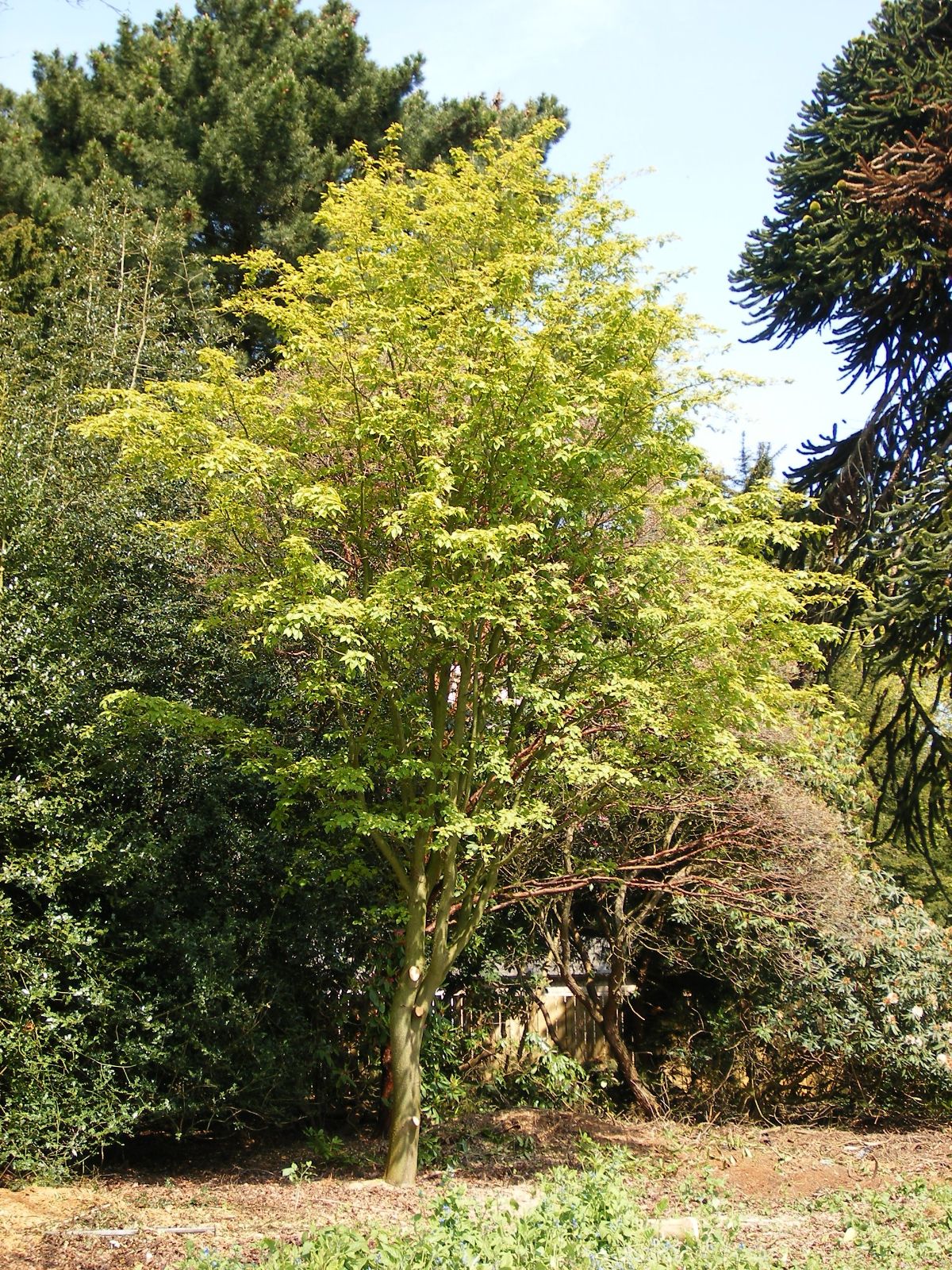
Acer distylum

Sponsor
Kindly sponsored by
a member of the International Dendrology Society
Credits
Article from Bean's Trees and Shrubs Hardy in the British Isles
Recommended citation
'Acer distylum' from the website Trees and Shrubs Online (treesandshrubsonline.
Genus
Other taxa in genus
- Acer acuminatum
- Acer amplum
- Acer argutum
- Acer barbinerve
- Acer buergerianum
- Acer caesium
- Acer calcaratum
- Acer campbellii
- Acer campestre
- Acer 'Candy Stripe'
- Acer capillipes
- Acer cappadocicum
- Acer carpinifolium
- Acer 'Cascade'
- Acer caudatum
- Acer ceriferum
- Acer chapaense
- Acer chienii
- Acer circinatum
- Acer cissifolium
- Acer × conspicuum
- Acer cordatum
- Acer coriaceifolium
- Acer × coriaceum
- Acer crataegifolium
- Acer davidii
- Acer diabolicum
- Acer divergens
- Acer duplicatoserratum
- Acer elegantulum
- Acer erianthum
- Acer 'Esk Flamingo'
- Acer fargesii
- Acer fenzelianum
- Acer flabellatum
- Acer forrestii
- Acer franchetii
- Acer × freemanii
- Acer fulvescens
- Acer 'Gimborn'
- Acer ginnala
- Acer glabrum
- Acer 'Gold Coin'
- Acer granatense
- Acer grandidentatum
- Acer griseum
- Acer heldreichii
- Acer henryi
- Acer × hillieri
- Acer hookeri
- Acer hyrcanum
- Acer japonicum
- Acer kawakamii
- Acer komarovii
- Acer laevigatum
- Acer laurinum
- Acer laxiflorum
- Acer lobelii
- Acer longipes
- Acer macrophyllum
- Acer mandshuricum
- Acer maximowiczianum
- Acer maximowiczii
- Acer metcalfii
- Acer miaotaiense
- Acer micranthum
- Acer 'Mindavi'
- Acer 'Minorient'
- Acer miyabei
- Acer miyabei × campestre
- Acer monspessulanum
- Acer morifolium
- Acer 'Mozart'
- Acer oblongum
- Acer obtusifolium
- Acer okamotoanum
- Acer oliverianum
- Acer opalus
- Acer orientale
- Acer palmatum
- Acer papilio
- Acer pauciflorum
- Acer pectinatum
- Acer pensylvanicum
- Acer pentaphyllum
- Acer pentapotamicum
- Acer pictum
- Acer pilosum
- Acer pinnatinervium
- Acer platanoides
- Acer platanoides × amplum
- Acer platanoides × truncatum
- Acer × pseudoheldreichii
- Acer pseudoplatanus
- Acer pseudosieboldianum
- Acer pubinerve
- Acer pycnanthum
- Acer rubescens
- Acer rubrum
- Acer rufinerve
- Acer saccharinum
- Acer saccharum
- Acer sempervirens
- Acer 'Serpentine'
- Acer serrulatum
- Acer shenkanense
- Acer sieboldianum
- Acer sikkimense
- Acer 'Silver Cardinal'
- Acer 'Silver Ghost'
- Acer sinense
- Acer sinopurpurascens
- Acer spicatum
- Acer stachyophyllum
- Acer taronense
- Acer tataricum
- Acer tegmentosum
- Acer tenellum
- Acer tetramerum
- Acer tibetense
- Acer tonkinense
- Acer triflorum
- Acer truncatum
- Acer tschonoskii
- Acer turkestanicum
- Acer tutcheri
- Acer ukurunduense
- Acer velutinum
- Acer wardii
- Acer 'White Tigress'
- Acer wilsonii
- Acer × zoeschense

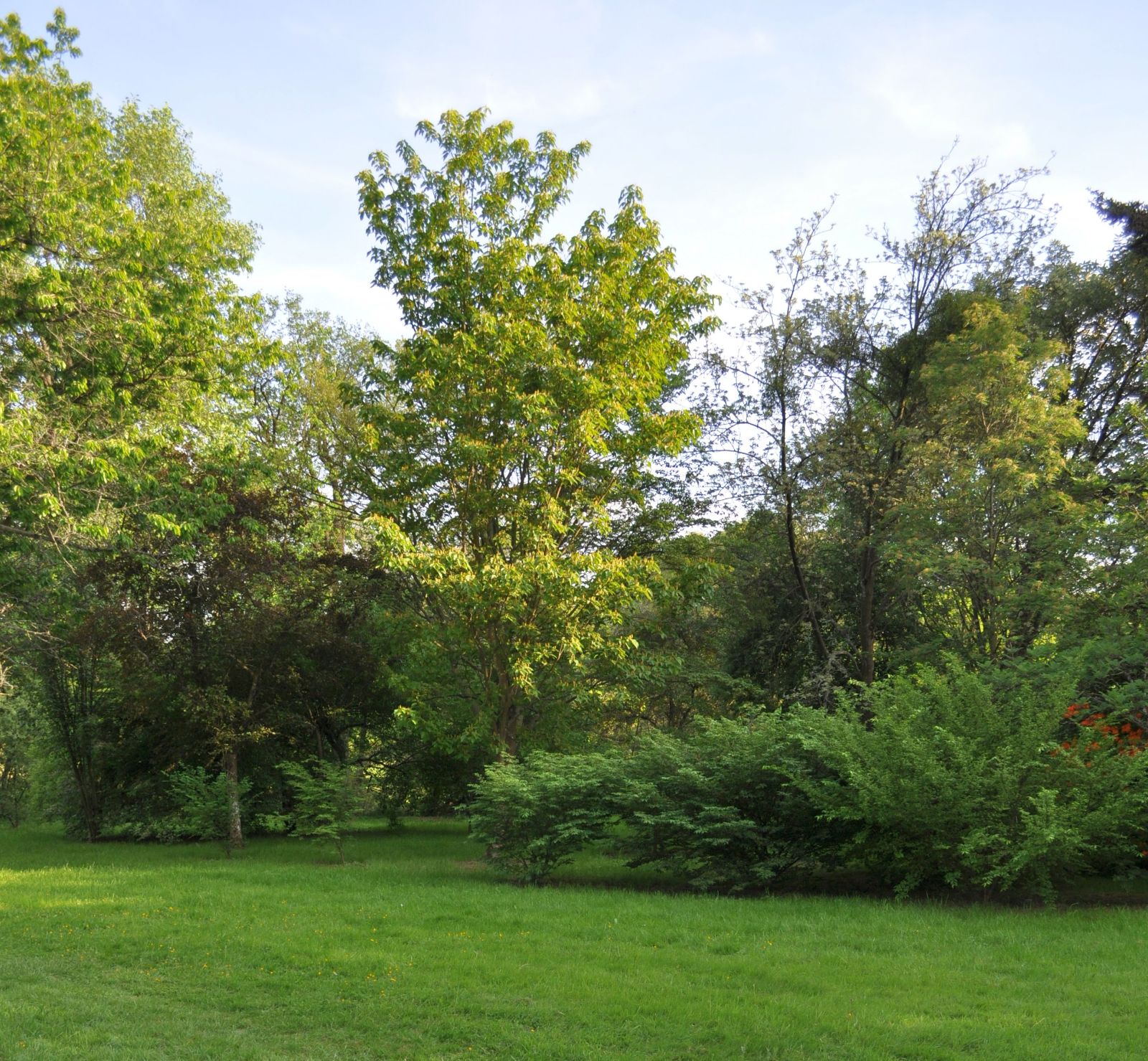
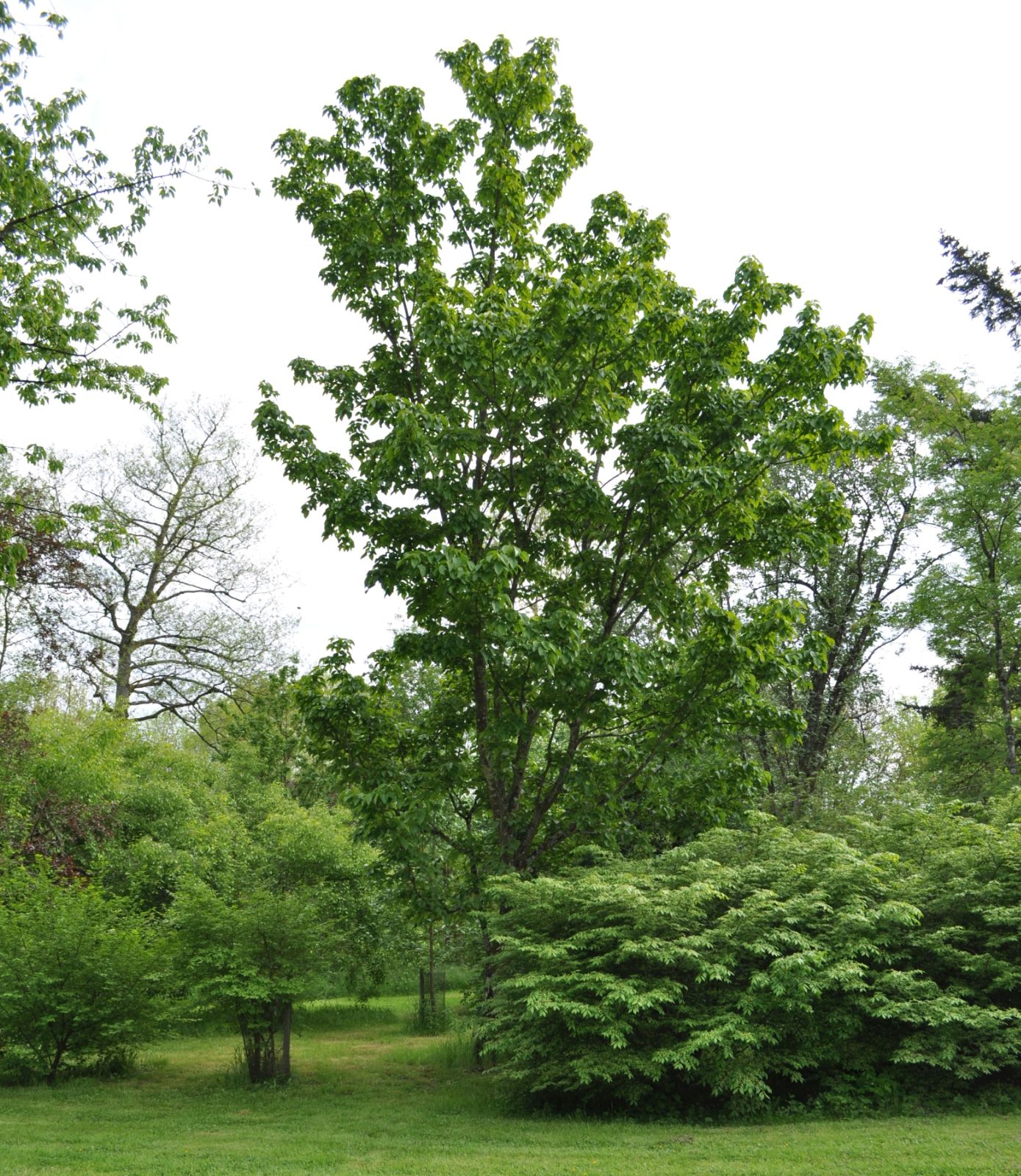
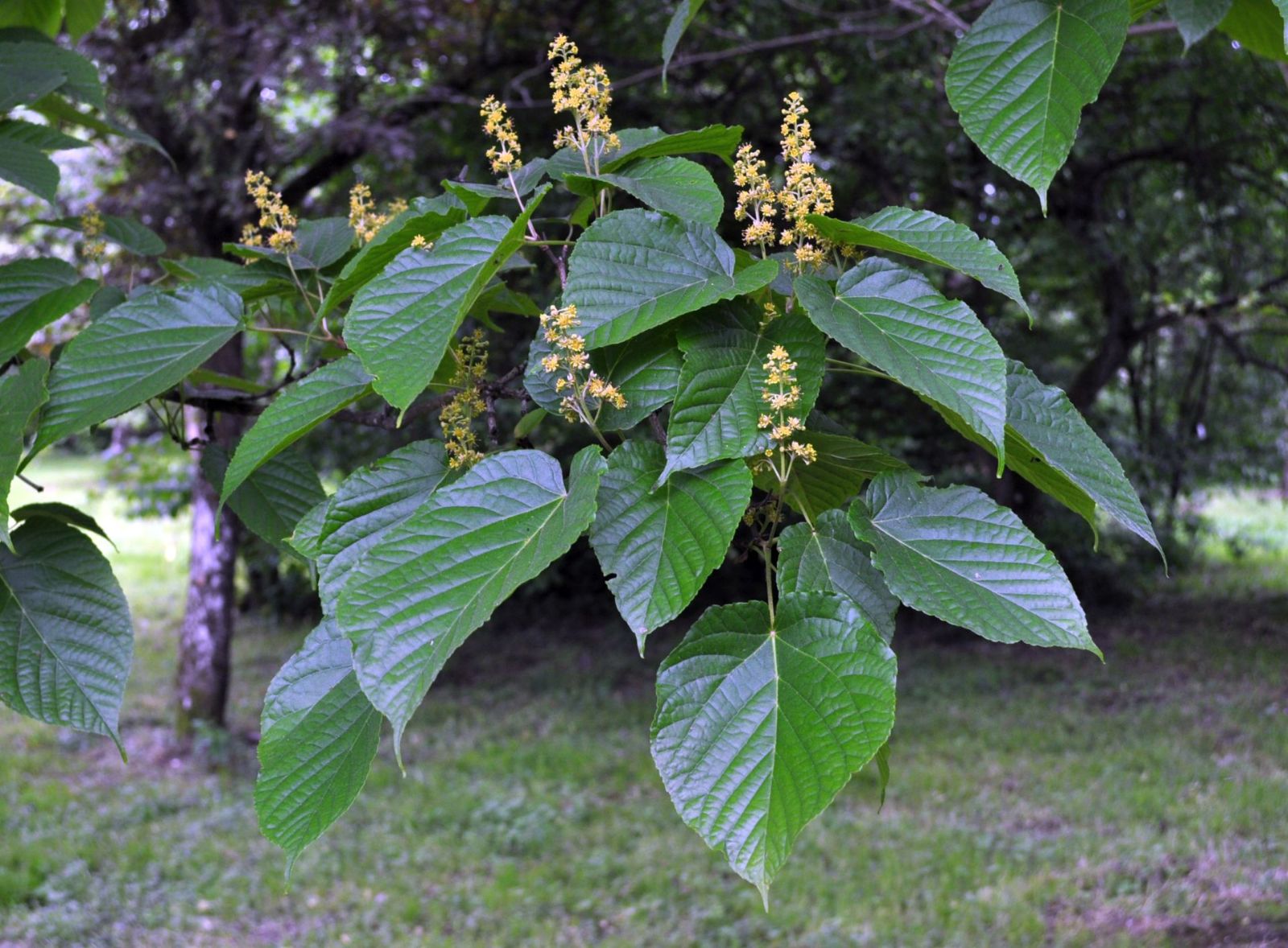
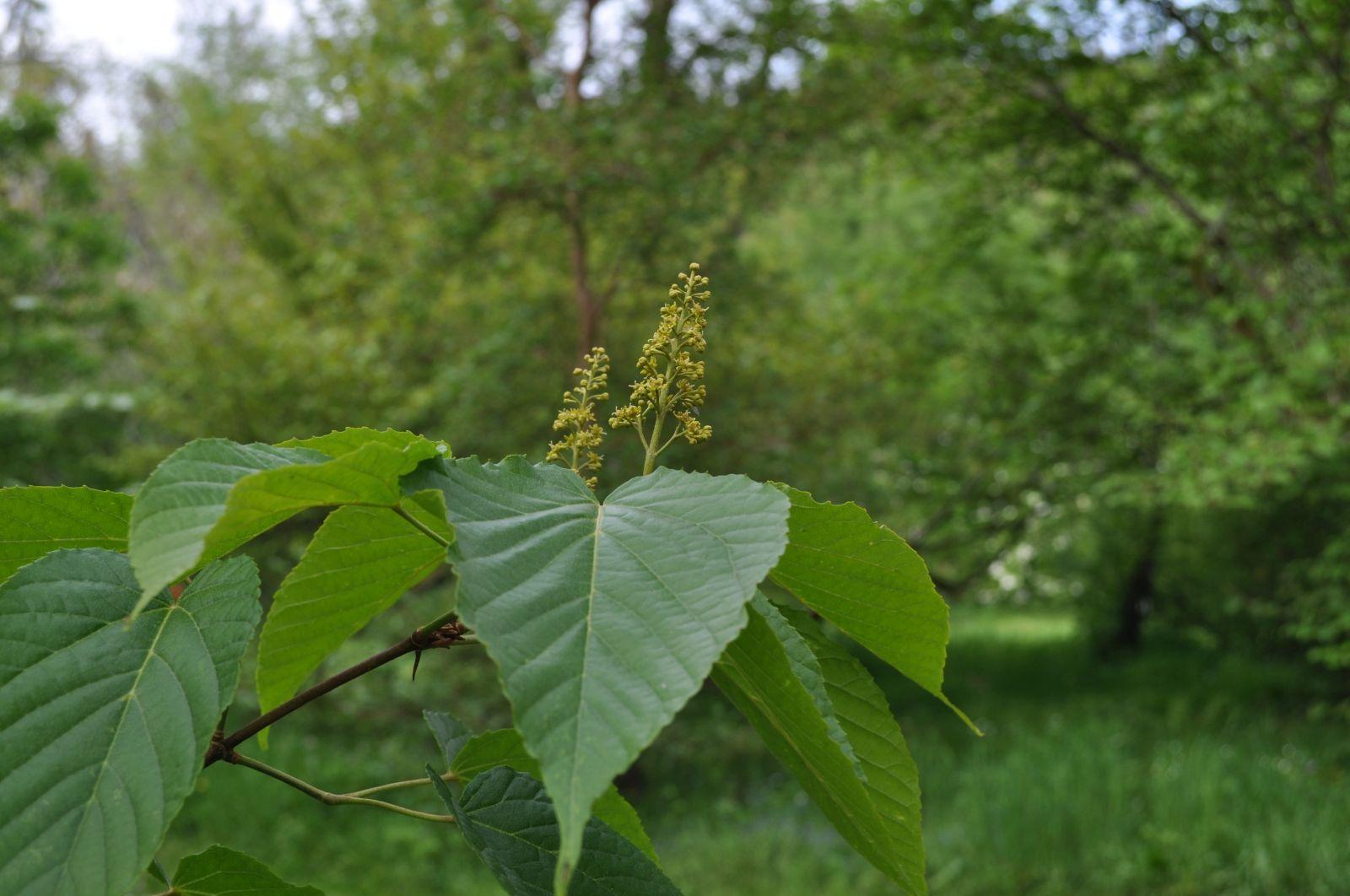
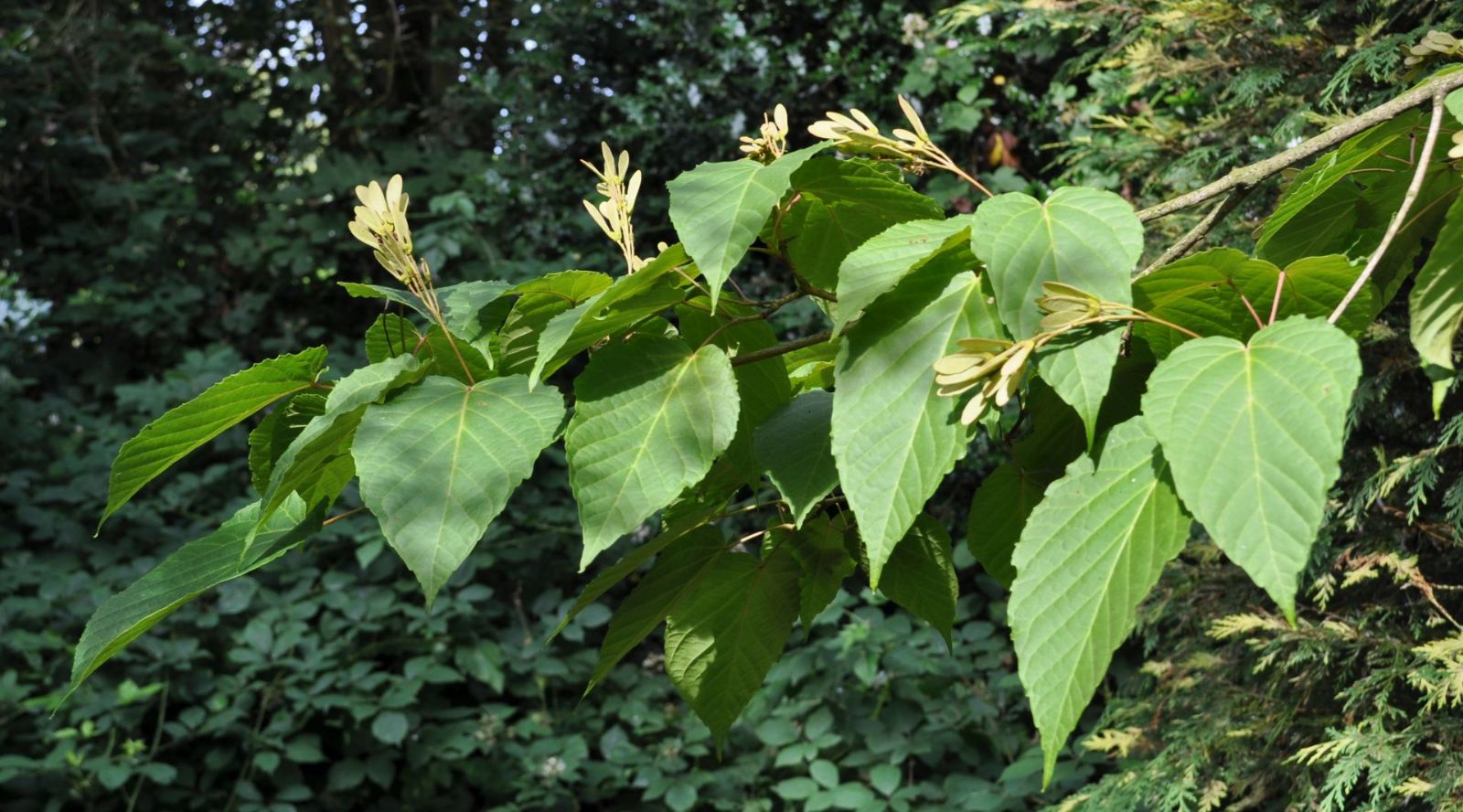
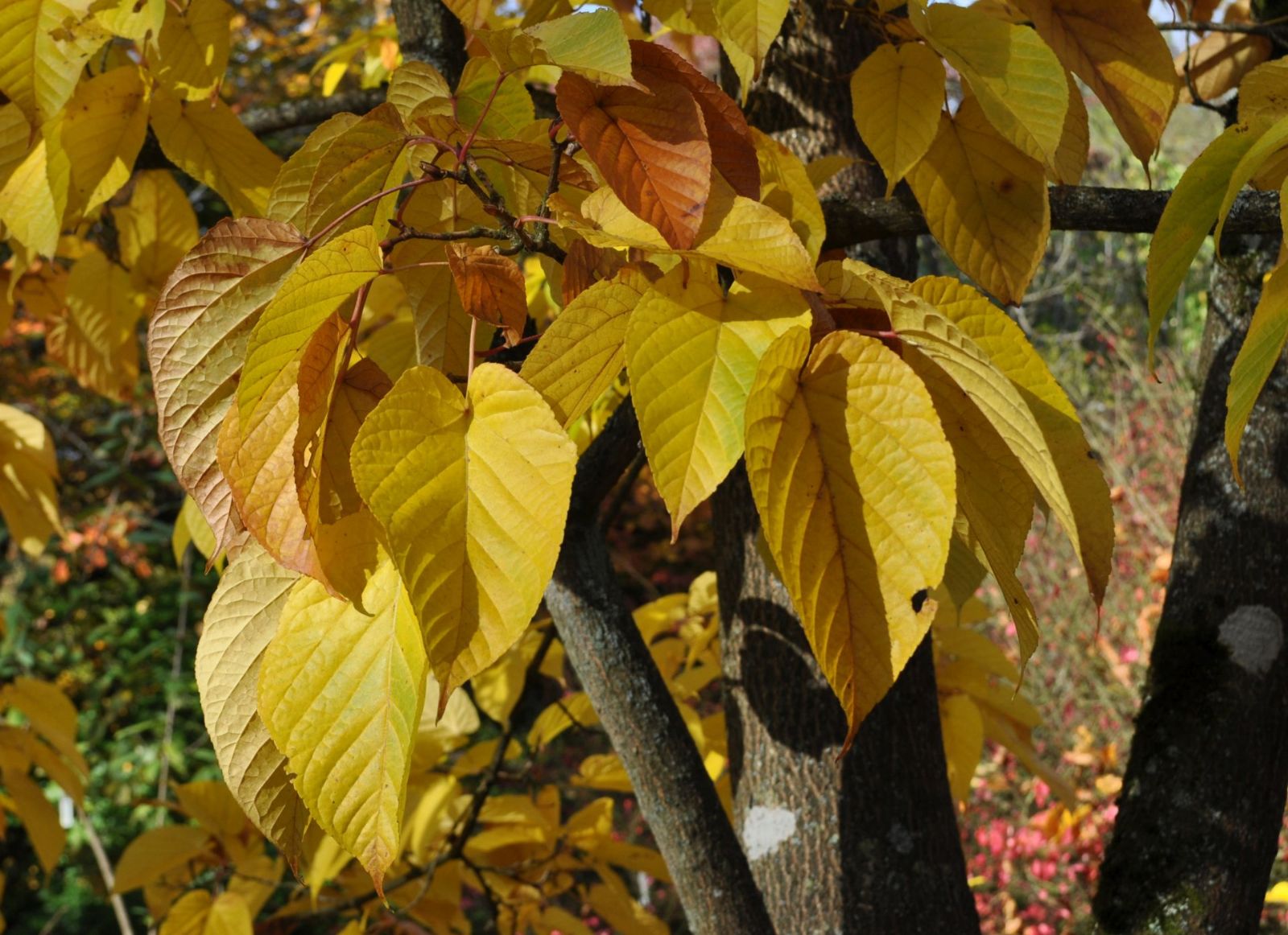
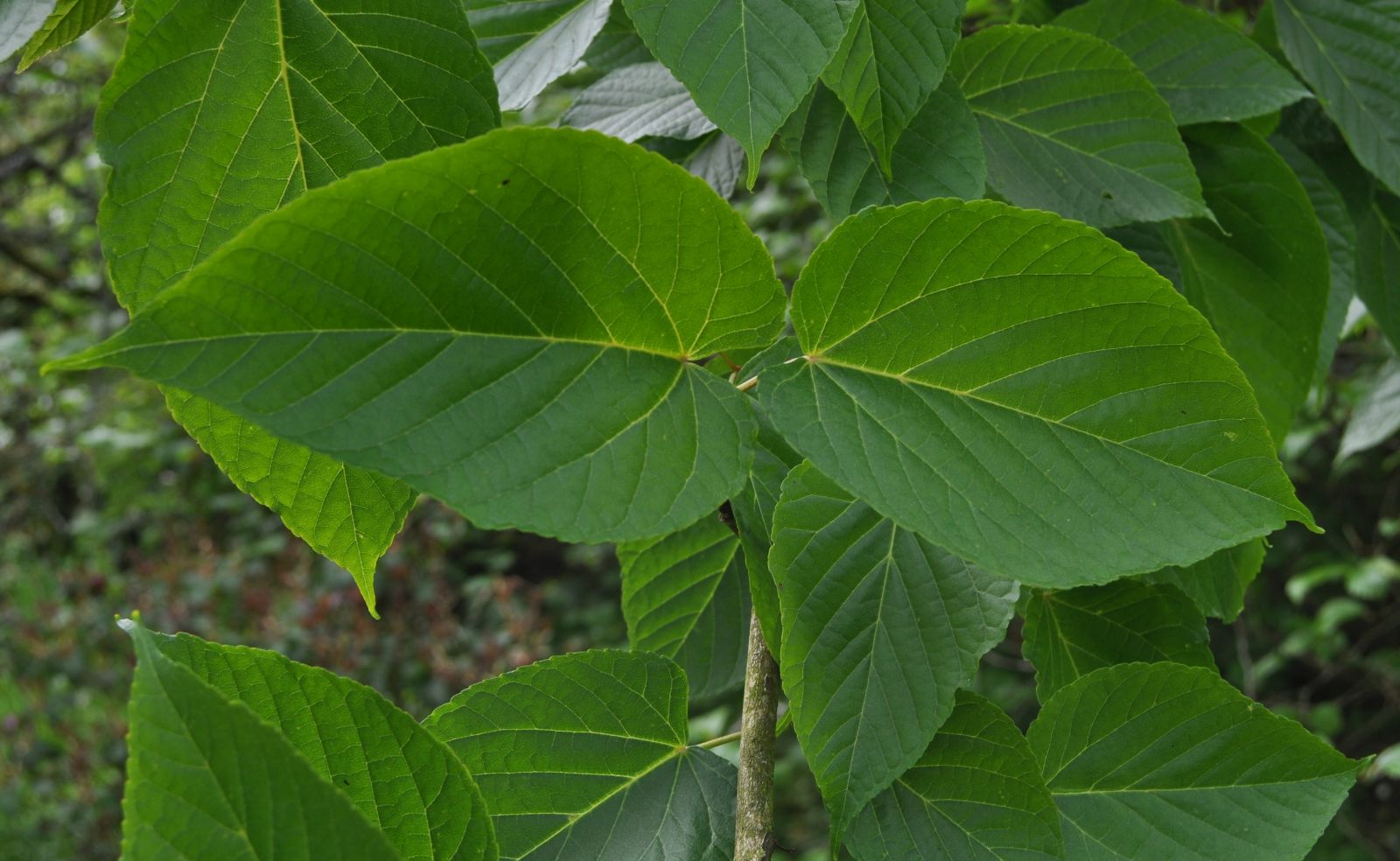
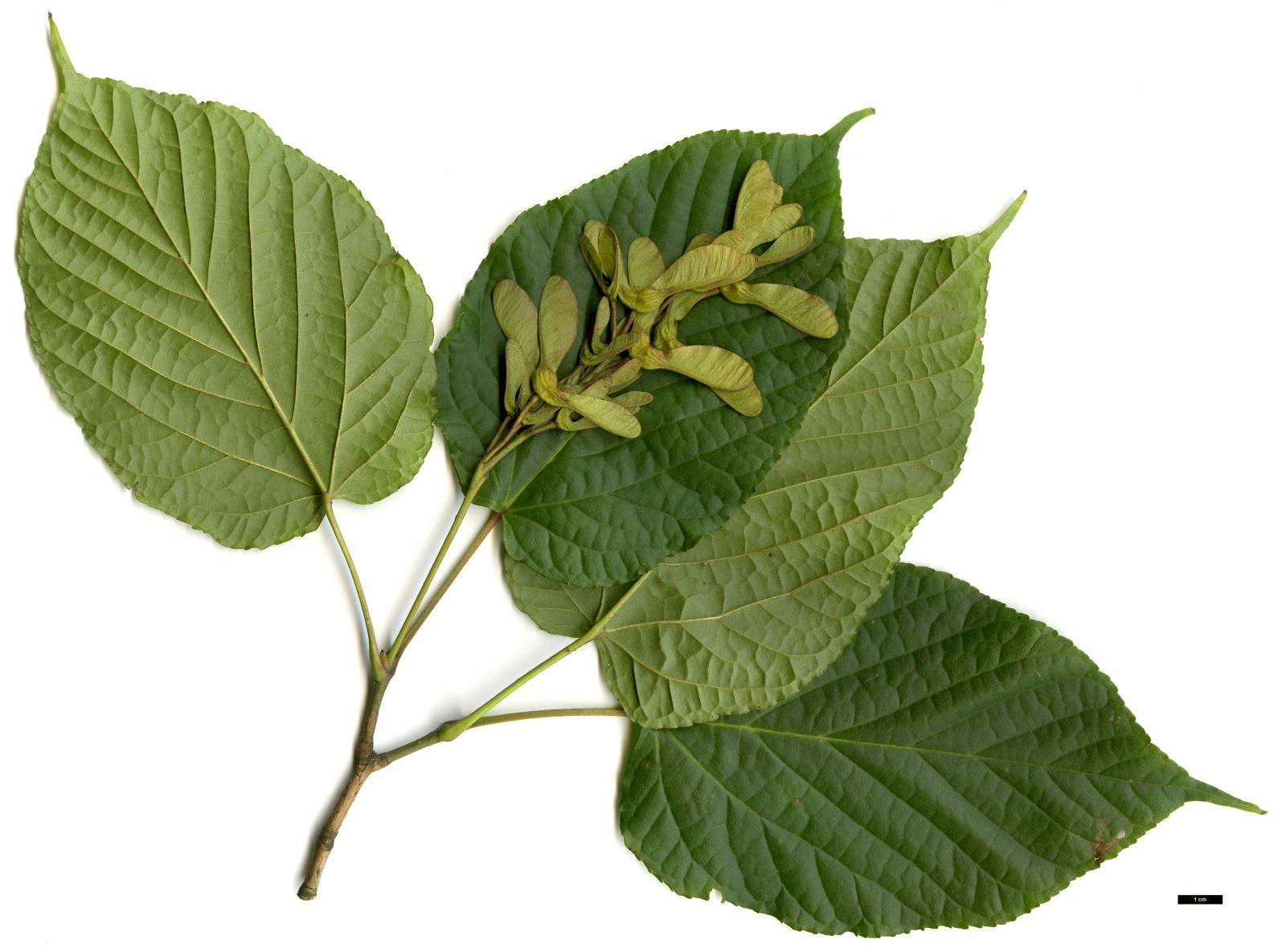
A deciduous tree, probably 50 ft high eventually. Leaves ovate, deeply heart-shaped at the base, 4 to 61⁄2 in. long, about three-fourths as wide, slender-pointed, quite glabrous except when young, the margin set with small teeth; leaf-stalk quite short, 1 to 11⁄2 in. long. Flowers borne in a branching raceme, yellowish. Fruits glabrous, in erect racemes or corymbs; keys 11⁄4 in. long; wings 1⁄3 in. wide, ultimately spreading at an angle of about 100°.
Native of Japan; introduced by Veitch’s nurseries in 1879. One of the original trees at Coombe Wood (Kingston, Surrey) reached 30 ft in height and used to produce fruit annually. It has never been common in gardens but the following examples are known: Wakehurst Place, Sussex, 35 × 21⁄4 ft (1964); Grayswood Hill, Surrey, 30 × 2 ft (1955); Westonbirt, Glos., three pl. 1936, the largest 28 × 11⁄4 ft (1966).
The leaves in shape are similar to those of a lime, but the resemblance is not very marked in the forms with rather oblong leaves sometimes seen in cultivation.
From the Supplement (Vol. V)
specimens: Grayswood Hill, Haslemere, Surrey, 46 × 23⁄4 ft (1982); Westonbirt, Glos., pl. 1936, 42 × 21⁄2 ft (1982).